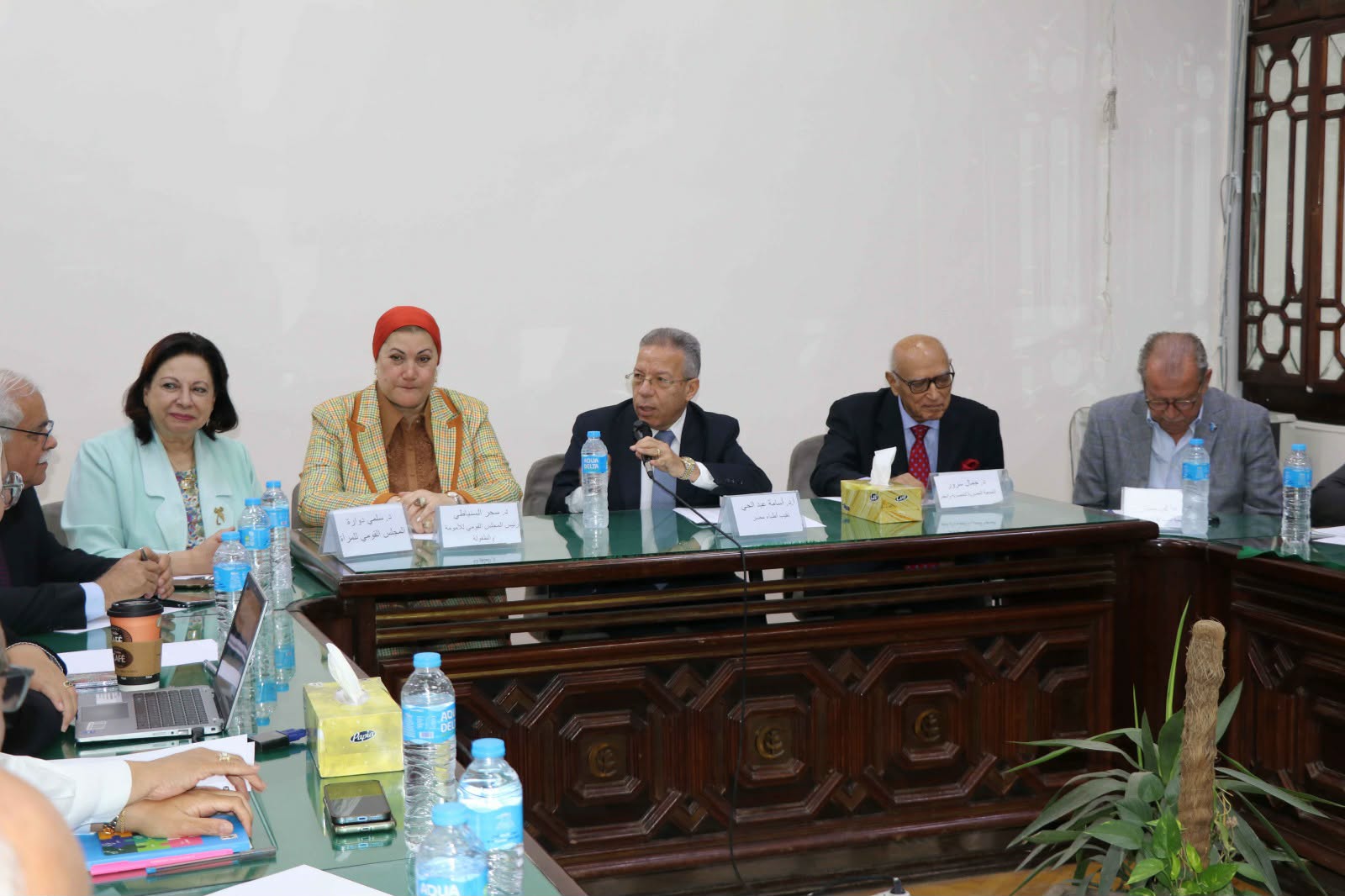


Ensuring that every woman experiences a safe, respectful, and dignified birth has become an increasingly important priority in Egypt’s healthcare landscape. In June 2026, leading healthcare professionals, national councils, and women’s health advocates gathered to discuss practical steps for improving maternal care and protecting women’s rights throughout pregnancy, childbirth, and the postpartum period.
The discussions took place during a workshop organized by the Egyptian Medical Syndicate under the title *“The Physician’s Oath and Egyptian Women’s Right to a Safe and Dignified Birth.”* The event brought together specialists in obstetrics and gynecology, public health experts, and representatives from national councils concerned with women, children, and population issues.

Why Safe Childbirth Matters
Healthcare experts emphasized that safe childbirth is not limited to preventing medical complications. It also includes ensuring that women are treated with dignity, respect, and compassion throughout their maternity journey.
Participants highlighted that positive childbirth experiences contribute significantly to the health and wellbeing of both mothers and babies. Access to quality prenatal care, evidence-based medical practices, emotional support, and respectful treatment can improve maternal outcomes while reducing risks for newborns.
A Strong Call for Better Maternal Care
During the workshop, Dr. Osama Abdel Hay, President of the Egyptian Medical Syndicate, stressed the importance of creating a healthcare environment that guarantees every Egyptian woman access to safe and high-quality maternity services.
The workshop explored current challenges facing maternal healthcare systems and reviewed progress made in improving maternal and child health indicators across Egypt. Participants also discussed areas that require additional attention, including healthcare capacity, staffing levels, and access to essential medical resources.
Maternal Health Is an Investment in Future Generations
Dr. Sahar El Sonbaty, President of Egypt’s National Council for Childhood and Motherhood, underscored the importance of supporting women before, during, and after childbirth.
She noted that investing in maternal health extends far beyond the wellbeing of mothers alone. Comprehensive healthcare services during pregnancy and the postpartum period help ensure healthier childhood development, stronger families, and improved public health outcomes for future generations.
Experts also emphasized that postpartum care is often overlooked despite its critical importance. Ongoing medical follow-up, mental health support, breastfeeding guidance, and parental education were identified as essential components of comprehensive maternal care.
Key Recommendations for Improving Childbirth Experiences
Workshop participants agreed on several recommendations aimed at strengthening maternity services and ensuring women receive respectful, evidence-based care.
These recommendations include:
- Regular prenatal monitoring and early detection of pregnancy complications.
- Access to evidence-based healthcare during pregnancy, labor, delivery, and postpartum recovery.
- Safe, hygienic, and well-equipped delivery facilities prepared to manage emergencies.
- Respect for women’s privacy and informed consent throughout medical care.
- Clear communication between healthcare providers and patients.
- Prevention of verbal, physical, or psychological mistreatment.
- Access to appropriate emotional and social support during childbirth.
- Encouragement of breastfeeding and comprehensive newborn care.
- Efficient referral systems for specialized medical treatment when necessary.
Strengthening Healthcare Systems for Mothers
Participants also called for expanding maternity ward capacity across hospitals and increasing the number of trained physicians, nurses, and healthcare professionals to meet growing demand.
Additional recommendations focused on ensuring the availability of essential medical equipment, fetal monitoring devices, pain management options, and medications used during labor and delivery.
Experts further stressed the importance of conducting regular patient satisfaction assessments to better understand women’s experiences and continuously improve healthcare services.
Advancing Women’s Rights Through Healthcare
One of the workshop’s key messages was that women should be active participants in decisions related to their own healthcare. Respectful maternity care includes listening to women’s preferences, providing accurate information, and supporting informed decision-making throughout pregnancy and childbirth.
By promoting safe and dignified birth experiences, healthcare leaders hope to strengthen women’s rights while improving maternal and newborn health outcomes across Egypt.
As healthcare institutions, medical professionals, and national organizations continue working together, these efforts represent an important step toward building a more inclusive and compassionate maternal healthcare system—one that prioritizes both medical excellence and human dignity.