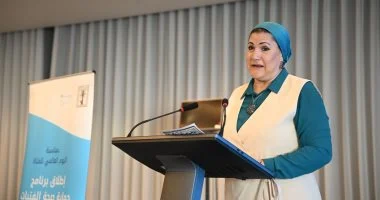


The right to a safe and dignified childbirth experience remains a cornerstone of maternal and child health, according to Dr. Sahar El Sonbaty, President of Egypt’s National Council for Childhood and Motherhood. Her remarks came during a workshop organized by the Egyptian Medical Syndicate under the theme “The Physician’s Oath and the Egyptian Woman’s Right to a Safe and Dignified Birth.”
The event, chaired by Dr. Osama Abdel Hay, President of the Egyptian Medical Syndicate, brought together representatives from national councils, leading professors of obstetrics and gynecology, and members of specialized Egyptian scientific associations to discuss strategies for improving maternal healthcare services and safeguarding women’s rights throughout pregnancy and childbirth.

Participants explored ways to strengthen women’s rights during pregnancy and delivery while improving the quality and accessibility of healthcare services. Discussions emphasized the need for comprehensive, evidence-based care that meets both the medical and emotional needs of mothers and ensures positive outcomes for newborns.
Dr. El Sonbaty stressed that safe childbirth is a fundamental human right and a critical component of protecting the health and wellbeing of both mothers and children. She highlighted the importance of adopting integrated public policies that provide high-quality healthcare throughout pregnancy, childbirth, and the postpartum period, ensuring that women receive support tailored to their physical, psychological, and social needs.
She further emphasized that investment in maternal health extends far beyond the wellbeing of individual women. Supporting mothers before, during, and after childbirth contributes to stronger families, healthier communities, and improved health outcomes for future generations. Comprehensive maternal healthcare, she noted, plays a vital role in promoting healthy child development and enhancing long-term public health indicators.
Particular attention was given to the postpartum period, which Dr. El Sonbaty described as equally important as pregnancy and childbirth. She underscored the need for continued medical follow-up, psychological support, parental education, and breastfeeding promotion to ensure the best possible outcomes for both mother and child.
The workshop concluded with several key recommendations aimed at improving maternal healthcare standards nationwide. Participants called for the establishment of a joint committee comprising representatives from the Egyptian Medical Syndicate, relevant national councils, and specialized scientific associations in obstetrics, gynecology, public health, and maternal care. The committee would oversee the development and implementation of recommendations designed to enhance care during pregnancy, childbirth, and the postpartum period.
These recommendations were aligned with guidelines established by the World Health Organization (WHO) and the International Federation of Gynecology and Obstetrics (FIGO). They include regular prenatal monitoring, early detection of pregnancy-related complications, evidence-based medical care, and the provision of safe and adequately equipped birth environments capable of managing emergencies.
Additional recommendations focused on respecting women’s privacy and informed consent, strengthening communication between healthcare providers and patients, preventing discrimination or mistreatment, providing psychological and social support during childbirth, encouraging breastfeeding, and ensuring timely referral to specialized care when needed.
By prioritizing safe, respectful, and comprehensive maternal healthcare, Egypt continues to advance efforts that protect women’s rights, support healthy childhood development, and strengthen the foundations of public health for future generations.