

Archaeological discoveries in Egypt are providing new insight into the beauty practices and personal adornment of Egyptian women thousands of years ago, revealing that cosmetics, jewelry and hair accessories were an established part of women’s lives in ancient Egyptian society.
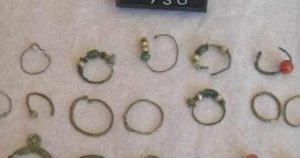
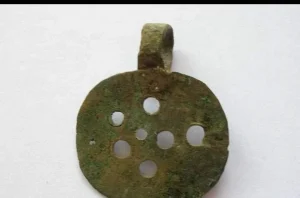
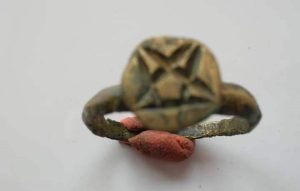
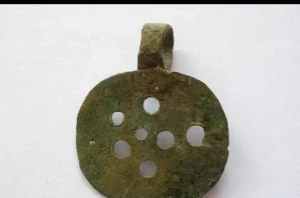
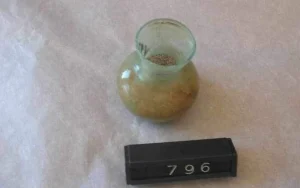
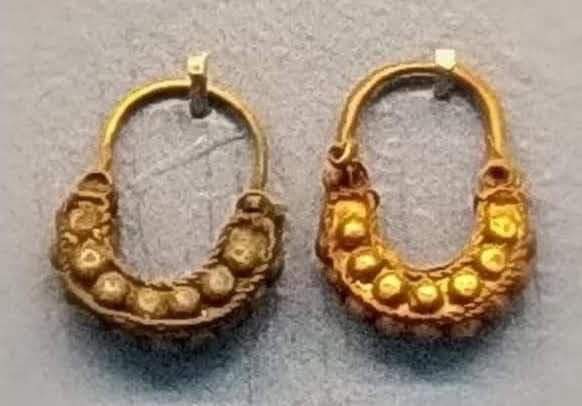
Excavations at archaeological sites in Fayoum have uncovered a wide range of personal adornment items, including gold earrings, rings, bracelets, pendants, amulets, perfume bottles and hair accessories. The discoveries offer tangible evidence of the importance attached to appearance, personal grooming and jewelry across different periods of Egyptian history.

The archaeological evidence also complements representations of Egyptian women preserved in ancient paintings, statues and mummy portraits, where women are frequently depicted wearing carefully styled clothing, elaborate jewelry and distinctive eye makeup.
Ancient Egyptian Women and the Art of Personal Adornment
According to Ahmed Abdel Aal, former Director General of Antiquities in Fayoum, archaeological excavations across the governorate have revealed extensive evidence of women’s interest in personal appearance and adornment.
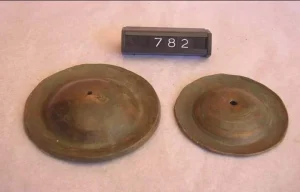
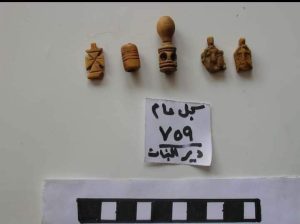
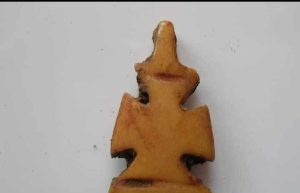
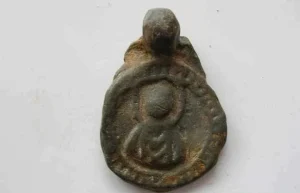
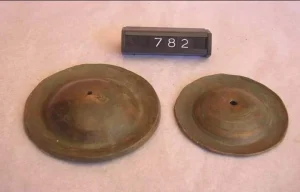
Among the objects discovered were rings, bracelets, earrings, pendants, amulets, crosses, perfume bottles, ivory needles and hairpins. Together, these artifacts provide a broader picture of the tools and accessories used by women to enhance their appearance and maintain their personal grooming.
The discoveries demonstrate that beauty practices in Egypt extended beyond cosmetics. Jewelry, fragrances, hairstyles and carefully crafted accessories were all part of a wider culture of personal presentation.
Jewelry and Beauty Items Discovered in Fayoum
Archaeological excavations in Fayoum have also uncovered decorated textiles featuring plant motifs, along with jewelry and personal adornment items associated with women from later historical periods.
Some of these discoveries date to the Roman period, including the era when Christianity became increasingly widespread in Egypt, as well as the Coptic period.
Abdel Aal noted that jewelry and beauty objects were found among female burials at Deir el-Banat in Fayoum during excavations conducted between 1982 and 1985.
The artifacts uncovered through these excavations are now preserved across several Egyptian museums, including the Kom Oshim Museum in Fayoum, the Coptic Museum and the National Museum of Egyptian Civilization.
Archaeology Offers a Closer Look at Women’s Lives
The preservation of makeup-related objects, jewelry and hair accessories provides researchers with more than evidence of ancient beauty standards. These discoveries also contribute to understanding the daily lives, social practices and cultural traditions of Egyptian women across different historical periods.
From gold earrings and bracelets to perfume containers and hairpins, the objects reveal how personal adornment evolved while remaining an important part of women’s lives in Egypt.
The archaeological record therefore adds another dimension to the history of Egyptian women, showing that practices surrounding beauty, grooming and personal identity have deep roots extending thousands of years into Egypt’s past.