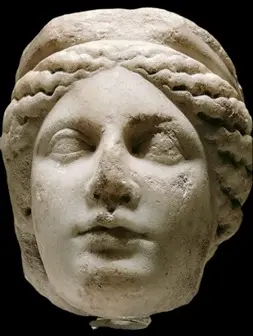

In a celebration that elegantly weaves together the depth of ancient history with the vibrancy of contemporary culture, museums across Egypt have unveiled their March “Artifact of the Month” selections, highlighting remarkable objects that illuminate the richness of the country’s heritage.
The initiative—now a beloved monthly tradition—invites the public to participate by voting for their favorite artifacts through the official Facebook pages of museums and archaeological sites. The result is a curated collection that not only showcases rare historical pieces but also connects modern audiences with the stories behind them.

For March 2026, the selections carry particular resonance. The featured artifacts reflect global observances celebrated during the month, including International Women’s Day, Mother’s Day, and World Water Day—offering a thoughtful exploration of themes such as womanhood, motherhood, and the life-giving importance of water in Egyptian civilization.
Women and Beauty Through the Lens of History
In recognition of International Women’s Day, Egyptian museums spotlight artifacts that reflect the role of women throughout the country’s long and diverse history—from ancient symbolism to modern philanthropy.
At the Museum of Islamic Art, visitors can admire a delicate ivory kohl container inlaid with mother-of-pearl from the Mamluk period, a refined accessory that reveals the elegance of personal adornment in medieval Egyptian society.
Meanwhile, the Coptic Museum displays a Coptic textile portraying a richly adorned woman, framed by decorative patterns and birds—an artistic representation that reflects both aesthetic sensibilities and everyday life during the Coptic era.
A glimpse into more recent history appears at the Royal Carriages Museum, which presents a historic photograph of Sultanah Melek, the second wife of Hussein Kamel. Celebrated as the “Princess of the Poor,” she gained recognition for her charitable initiatives and humanitarian work, particularly during Ramadan.
At the National Police Museum, a wooden comb decorated with geometric and floral patterns and inlaid with mother-of-pearl carries an inscription reading, “Indeed, Satan is to you a clear enemy.” The object illustrates how religious and moral expressions were integrated even into personal grooming tools.
The Enduring Symbolism of Motherhood
Motherhood—one of the most powerful themes in Egyptian culture—also takes center stage in March’s selections, particularly through depictions of the goddess Isis.
A striking bronze statue of Isis nursing her son Horus from the Late Period is displayed at the Cairo International Airport Museum (Terminal 2). In ancient Egyptian belief, Isis symbolized protection, devotion, and maternal care—qualities often likened to the nurturing power of the Nile itself.
Other museums echo this powerful theme:
-
The Imhotep Museum presents a statue of Isis embracing Horus.
-
The Ismailia Museum features a limestone relief depicting a sacred triad, reinforcing Isis’s role as protector of both her child and the king.
-
At the Tanta Museum, a statue of Taweret represents fertility, pregnancy, and protection during childbirth.
Modern historical figures also appear among the selections. The Rukn Farouk Museum exhibits a photograph of Princess Fawzia Fuad, widely admired for her support of social and charitable initiatives.
Another remarkable figure is highlighted at the Royal Jewelry Museum—an oil painting of Princess Fatma Ismail, daughter of Khedive Ismail. Her historic donation of land and jewelry helped establish the Egyptian University, which later became Cairo University.
The Nile: Source of Life and Inspiration
The March showcase also commemorates World Water Day, emphasizing the fundamental role water has played in shaping Egyptian civilization.
For thousands of years, the Nile River served as Egypt’s lifeline—sustaining agriculture, trade, and religious symbolism.
Several artifacts highlight this enduring relationship:
At the Manial Palace Museum, visitors can see a 31-piece silver tea set presented to Muhammad Said Pasha by the Suez Canal Company, reflecting the canal’s global strategic importance.
Other objects illustrate how water shaped everyday life and innovation:
-
A Predynastic pottery vessel shaped like a boat at the Cairo International Airport Museum (Terminal 3).
-
A model of the ancient Nilometer displayed at the Tell Basta Museum, once used to measure the Nile’s flood levels and forecast agricultural cycles.
-
A commemorative marble column honoring Augustus at the Greco-Roman Museum, marking the clearing of the Shidia canal that once supplied water to ancient Alexandria.
At the Sharm El‑Sheikh Museum, a cylindrical limestone water clock demonstrates how ancient Egyptians measured time using the gradual decrease in water levels.
Meanwhile, the Hurghada Museum exhibits a vivid relief depicting Nile marshes filled with fish, a crocodile, and a boat—an evocative snapshot of Egypt’s river ecosystem.
Museums as Living Cultural Platforms
Additional highlights include a copper ewer from the Islamic era at the Sohag National Museum and a mummified “qishr bayad” fish at the Mummification Museum—an example of how animals held sacred significance in ancient Egyptian belief systems.
Beyond their artistic value, these artifacts represent a broader cultural effort: transforming museums into living spaces that engage communities, encourage discovery, and deepen public understanding of history.
By allowing audiences to vote for featured objects each month, Egypt’s museums continue to build an interactive bridge between past and present—inviting visitors not only to observe history, but to participate in its storytelling.