
273
Egyptian women have played a central role in shaping the country’s civilization and cultural identity for thousands of years, according to renowned Egyptologist Dr. Mamdouh Eldamaty.
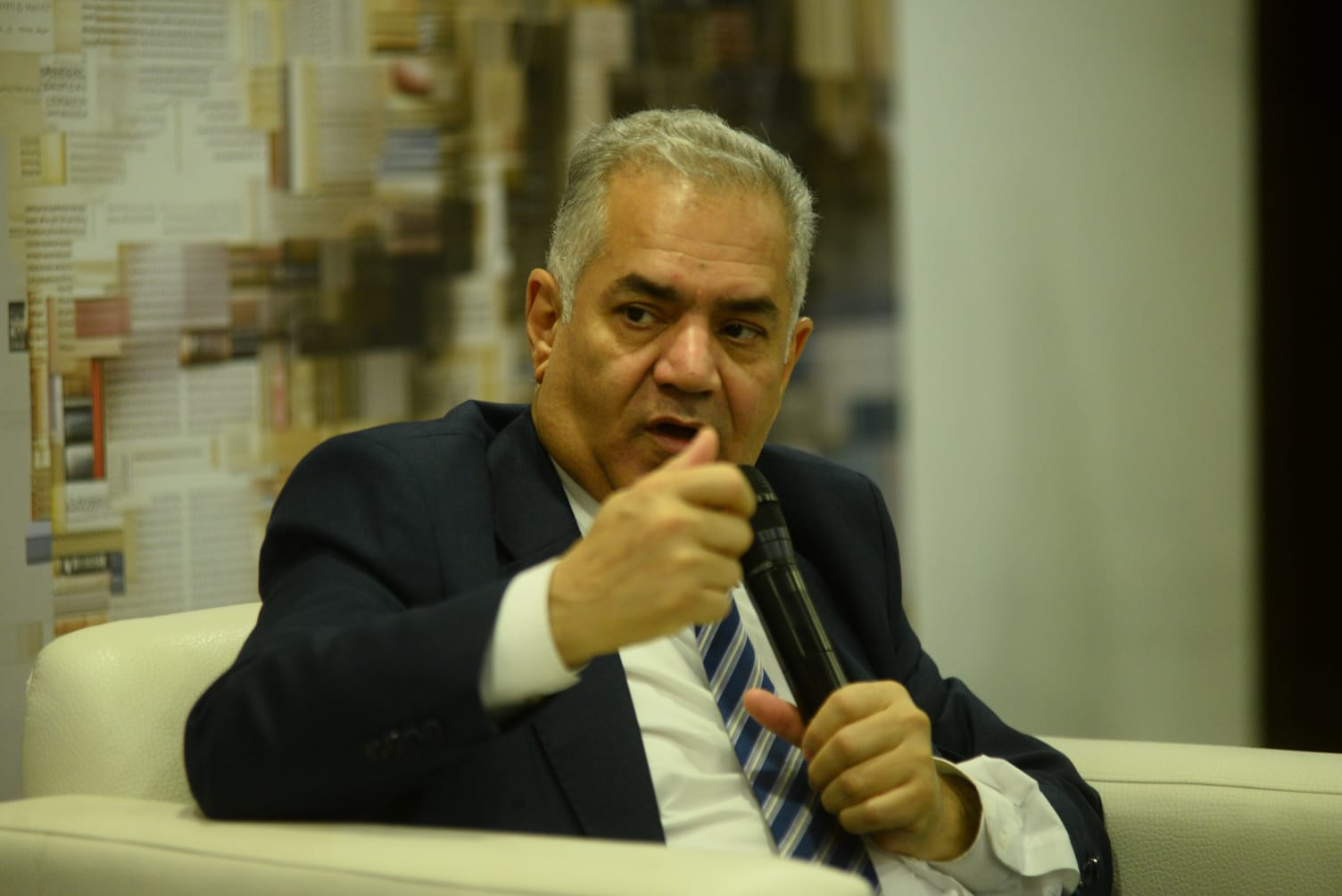
The statement came during an online lecture titled “Egyptian Women and the Continuity of Civilization from Ancient Roots to the Present,” held as part of a cultural workshop organized by the General Authority for Cultural Palaces under the Ministry of Culture.
Dr. Eldamaty, Professor of Egyptology and Ancient Egyptian Civilization at the Faculty of Archaeology at Ain Shams University and former Minister of Antiquities, explained that Egyptian women have consistently been a pillar of social stability, cultural continuity, and soft power throughout different historical eras.
He stressed that women in Egypt were never marginal figures in society but active and influential partners in shaping the nation’s history and preserving its cultural legacy.
According to Dr. Eldamaty, women in Ancient Egypt enjoyed a highly respected and sacred status and were granted rights equal to men in many aspects of life. These rights included property ownership, trade, legal representation, and divorce. Women also held important religious and political positions as priestesses, physicians, and scribes, while some even ruled Egypt as queens.
He noted that the image of women in Ancient Egyptian civilization was closely associated with fertility, life, and continuity, values that continued to influence the identity of modern Egyptian women across generations.
The former minister also highlighted the long-standing contribution of Egyptian women to traditional industries such as spinning, weaving, linen production, and silk craftsmanship, all of which trace their origins back to Ancient Egypt and remain an important part of family-based handicrafts today.
Dr. Eldamaty emphasized that Egyptian women have remained the backbone of family and community stability across centuries while continuously evolving into leaders in various fields, including government, law, science, and education.
Drawing on historical and archaeological evidence, he explained that Egyptian women have always been creators of civilization rather than passive participants, continuing to play a powerful role in modern Egyptian society.
The lecture also explored the continuity of women’s societal contributions through successive historical eras, including the Ancient Egyptian, Greco-Roman, Islamic, and modern periods, where Egyptian women continue to serve as essential partners in building society and the state.
Dr. Eldamaty concluded by stressing that the distinguished status of women in Egypt is not a modern phenomenon but a reflection of deep-rooted civilizational values that have preserved human dignity and social balance throughout thousands of years of Egyptian history.