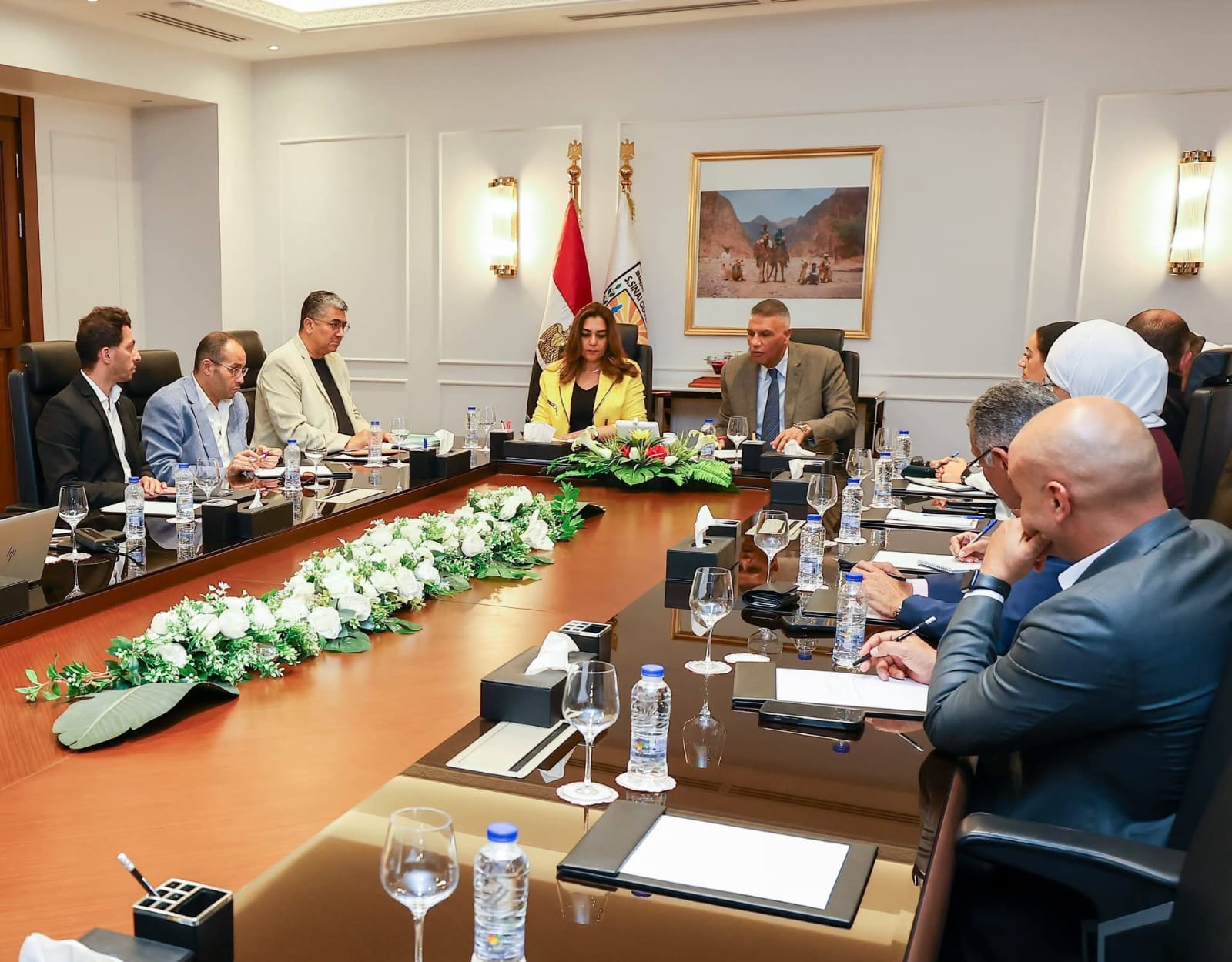


Egypt’s Ministry of Local Development and Environment has unveiled a series of measures aimed at protecting natural reserves in South Sinai—with a particular focus on sustainable marine tourism in Sharm El-Sheikh.
The announcement follows a high-level meeting led by Manal Awad and South Sinai Governor Ismail Kamal, alongside representatives from the diving and tourism sector. The discussions highlighted a growing urgency to balance environmental preservation with the economic benefits of Egypt’s thriving Red Sea tourism industry.

Coral Reefs at the Center of Conservation Efforts
Central to the government’s plan is an accelerated program to maintain and expand mooring buoy systems—known locally as “shamandouras”—to prevent boats from anchoring directly on fragile coral reefs. These reefs, which form part of the broader Red Sea ecosystem, are among the most biodiverse in the world but increasingly vulnerable to human activity.
Officials confirmed that a timeline has been established to complete maintenance of existing buoys while installing additional units tailored to accommodate varying boat sizes. The initiative aims to significantly reduce physical damage to reefs caused by unregulated anchoring.
Digital Monitoring to Rein in Marine Traffic
In a move reflecting global best practices, the ministry is also working to implement a real-time vessel tracking system using the Automatic Identification System (AIS). The system will allow authorities to monitor the movement of tourist boats and yachts داخل protected areas, improving safety and enabling rapid intervention in cases of environmental violations.
This digital oversight is expected to bring greater accountability to marine tourism operators while reinforcing compliance with conservation regulations.
Regulating Tourism to Preserve Biodiversity
Representatives from the diving tourism sector proposed additional measures, including limiting the number of daily marine excursions and improving the quality profile of visitors to reduce environmental strain. These recommendations align with Egypt’s broader strategy to promote high-value, low-impact tourism.
The meeting also reviewed progress under a cooperation protocol between the Environmental Affairs Agency and industry stakeholders, aimed at enhancing sustainability standards across diving and marine activities.
Harnessing Technology for Marine Conservation
A key highlight of the discussions was the expansion of the “Eco Monitor” platform—an initiative linked to the Green Sharm project. The platform enables professional divers to log sightings of key marine species such as turtles, dolphins, and sharks, contributing to a national database on marine biodiversity.
By integrating citizen science with institutional oversight, Egypt is building a data-driven framework to assess reef health and guide conservation policy.
Training the Frontline of Eco-Tourism
Recognizing the role of human capital, the ministry has already trained approximately 300 tourism group supervisors and environmental monitors. These individuals serve as on-the-ground stewards, ensuring that visitors adhere to conservation guidelines while raising awareness about the ecological value of South Sinai’s reserves.
Further training programs are planned in coordination with tourism bodies, with an emphasis on community engagement and long-term sustainability.
Toward an Integrated Environmental Strategy
To ensure effective implementation, a joint committee comprising government officials, local authorities, and tourism representatives will be established. The group will oversee execution timelines, assign responsibilities, and address regulatory bottlenecks across key destinations including Dahab, Nuweiba, and Taba.
Officials say the initiative reflects a broader policy shift—one that seeks to position Egypt as a leader in sustainable tourism while preserving its natural heritage for future generations.
As global demand for eco-conscious travel grows, Egypt’s efforts in South Sinai may serve as a model for how emerging destinations can align environmental stewardship with economic development.