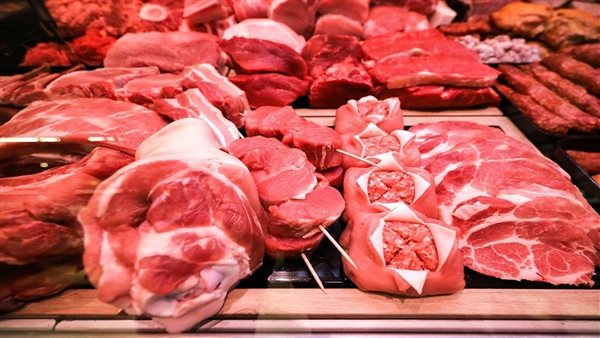


Eid al-Adha is synonymous with grand feasts and rich meat dishes, but for those managing chronic conditions, the festivities require a bit of strategic planning. Dr. Gylan Marei, Internal Medicine and Clinical Nutrition Consultant at Damanhour Teaching Hospital, shares her essential guide to navigating the holiday menu without compromising your health.
The cornerstone of a healthy Eid is portion control. Dr. Marei suggests that heart, blood pressure, and diabetes patients limit their intake to between 75 and 100 grams of lean red meat per day. This modest portion satisfies the palate while significantly reducing the strain on the heart and kidneys caused by saturated fats and salts.

How you cook your meat is just as important as how much you eat. Grilling and baking are the preferred methods, as they allow excess fat to drain away. Dr. Marei recommends trimming all visible white fat before cooking and using natural acidic marinades like vinegar and lemon to tenderize the meat instead of heavy oils. For those who love broth, a simple yet effective hack is to refrigerate the soup until the fat hardens on the surface, making it easy to remove before serving.
Specific dietary warnings are in place for those with gout or kidney issues. Internal organs—such as the liver, kidneys, and brain—are off-limits for gout patients due to their high purine content, which can trigger agonizing inflammatory episodes. Furthermore, staying well-hydrated is crucial for flushing excess urea and uric acid from the system.
Finally, never underestimate the power of the side dish. Starting your meal with a fiber-rich salad improves digestion and limits the absorption of fats. By prioritizing these small but impactful habits, you can ensure that the joy of Eid remains a celebration of both family tradition and physical well-being.