
The rapid rise of artificial intelligence is transforming the global media landscape, and one of its most influential developments is the emergence of AI-powered digital influencers. According to new research presented by Egyptian media researcher Germin Amer, these virtual personalities are playing an increasingly significant role in shaping the awareness, behaviors, and values of Generation Alpha—the first generation to grow up entirely within an AI-driven digital ecosystem.
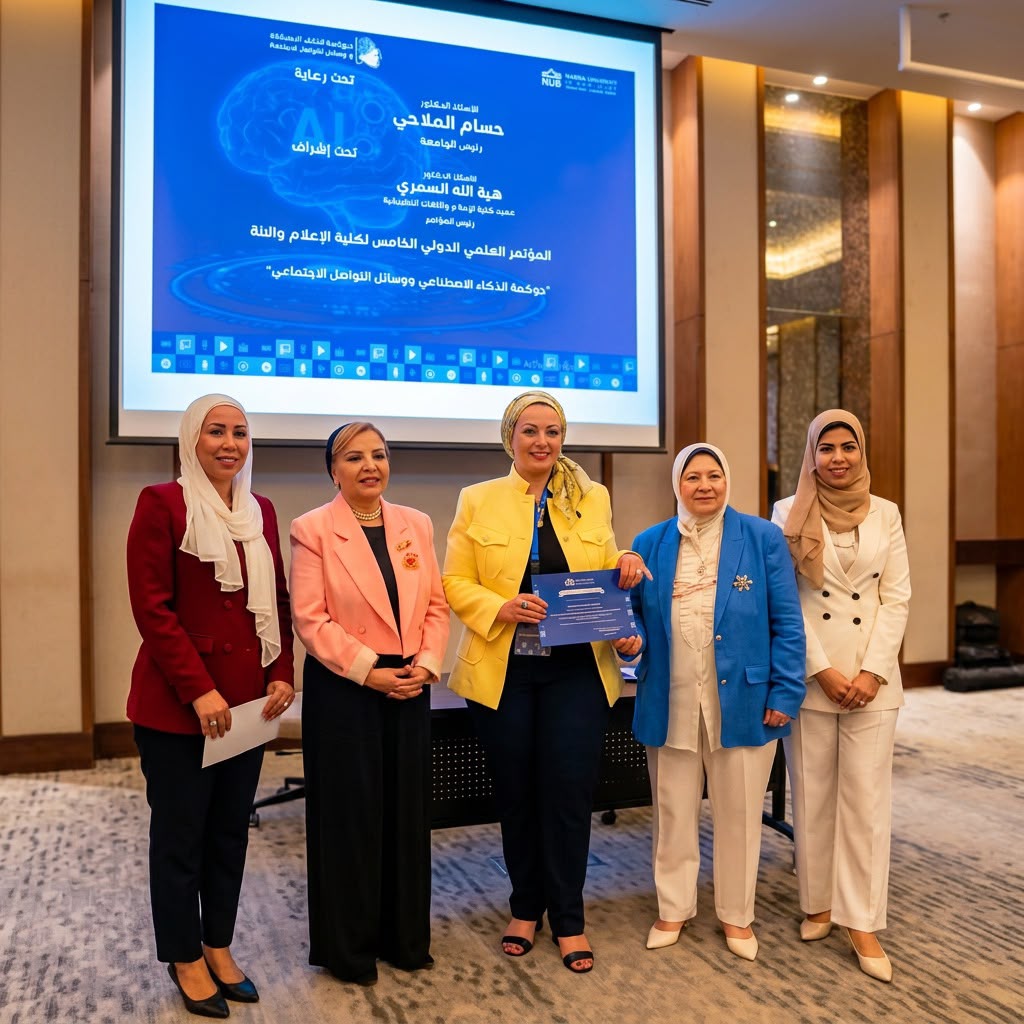
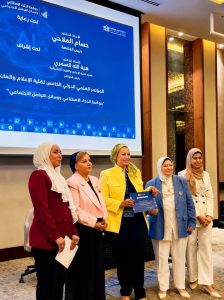
Amer, a writer, journalist, and researcher in mass communication, presented her research paper, “The Impact of AI-Powered Digital Influencers on Shaping Generation Alpha’s Awareness,” during the Fifth Scientific Conference of the Faculty of Media and Applied Languages at Nahda University. The conference, held under the theme “Governance of Artificial Intelligence and Social Media,” brought together leading academics, media experts, and digital communication specialists from Egypt and across the Middle East.
Egypt’s Digital Future Depends on Responsible AI Governance
Amer argued that regulating the digital influencer industry has become a national priority rather than simply a technological challenge. She described the growing creator economy as an important component of Egypt’s soft power and emphasized that establishing clear professional and legislative frameworks would enable the country to position itself as a regional hub for digital content creation.
She also noted that the government’s decision to integrate influencers and content creators into Egypt’s tax system represents an important first step toward formally recognizing and organizing the profession while promoting economic fairness and incorporating the digital economy into the country’s formal economic structure.
From Virtual Characters to AI-Powered Influencers
The study examined how digital influencers have evolved from computer-generated virtual characters into sophisticated AI-powered personalities capable of producing multilingual content, interacting with audiences around the clock, and simulating human behavior with remarkable realism.
Among the international AI influencers highlighted in the research were Lil Miquela, Noonoouri, Aitana López, Shudu, and Laila Kenza, all of whom demonstrate how artificial intelligence is redefining digital influence across marketing, entertainment, and social engagement.
Why Generation Alpha Is Especially Vulnerable
Amer’s research identifies Generation Alpha—children born between 2012 and 2024—as the first audience raised entirely within algorithm-driven digital environments.
Unlike previous generations, Generation Alpha relies heavily on digital platforms for education, entertainment, communication, and information. Interactive learning, social media consumption, and AI-assisted technologies are integrated into their daily experiences from early childhood, making them particularly susceptible to digital influence.
The research concludes that AI-powered influencers are increasingly shaping educational awareness, environmental consciousness, consumer behavior, public health messaging, sustainability values, and even political perceptions among young audiences.
Addressing the Risks of AI-Powered Influence
While acknowledging the opportunities created by AI-driven content, the study also highlights several emerging risks that require urgent attention.
These include the spread of misinformation, algorithmic bias, insufficient transparency regarding AI-generated content, and inadequate protection of children’s privacy. The research stresses that these challenges demand coordinated responses from policymakers, educators, technology companies, and families.
Amer recommends establishing comprehensive legislative and ethical frameworks governing AI-powered influencers while strengthening digital literacy among children and parents. She also calls for closer alignment with international artificial intelligence ethics standards to ensure responsible innovation.
A Call for Professional Standards and Industry Oversight
Looking beyond regulation, Amer advocates the creation of a national professional body dedicated to organizing Egypt’s digital creator industry. Such an organization would establish professional standards, provide accredited training and certification, protect creators’ rights, and coordinate with government institutions and private-sector partners to support sustainable growth.
She further recommends introducing a professional code of ethics requiring influencers and content creators to uphold transparency in sponsored content, protect children’s rights and privacy, combat misinformation, and commit to the responsible use of artificial intelligence technologies.
According to Amer, Egypt already possesses the creative talent, technological capabilities, and market potential needed to become a leading regional center for digital content production. Achieving that goal, however, will require balanced legislation that protects innovation while promoting accountability, public trust, and sustainable economic growth in the expanding digital economy.