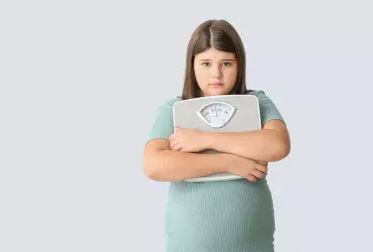

A Danish study suggests that being overweight during childhood may be associated with lower chances of having children later in life, particularly as women reach their 30s and enter the age range when visits to fertility clinics become more common.
The study, led by Jennifer Baker of Frederiksberg Hospital in Denmark, found a link between childhood obesity and women’s chances of having children between the ages of 25 and 29. The association appeared stronger among women between 30 and 45 years old.

Study Examines More Than 60,000 Danish Women
Published in JAMA Network Open, the study followed the health of more than 60,000 Danish women born between 1950 and 1989.
Researchers compared participants’ body mass index during childhood with their reproductive outcomes later in life to examine whether childhood weight was associated with fertility at different ages.
The findings indicated that girls who had a higher body mass index during childhood had a 22 percent lower likelihood of having children in their late 20s. The difference increased to 44 percent among women between the ages of 35 and 45.
How Could Childhood Obesity Affect Reproductive Health
According to Dr Evelina Graver, director of the Women’s Cardiology Department at Northwell Medical Center in New York, obesity can contribute to low grade inflammation and may affect ovarian health.
These changes may make it more difficult for a woman to become pregnant or maintain a pregnancy.
However, the researchers emphasized that the study does not establish that having a higher body mass index during childhood directly causes infertility.
The Study Does Not Prove Childhood Obesity Causes Infertility
The findings point to an association rather than a direct cause and effect relationship.
The researchers told HealthDay that the results suggest a woman’s weight during childhood may influence her reproductive health later in life.
This distinction is important because fertility is affected by multiple factors and the study itself did not conclude that childhood obesity leads directly to infertility.
Why These Findings Matter for Women’s Health
The study adds to growing research examining how health and weight during childhood may be connected to health outcomes later in a woman’s life.
While the findings do not establish childhood obesity as a direct cause of infertility, they highlight the importance of understanding the potential long term reproductive implications of childhood weight and maintaining healthy development from an early age.
For women and families, the findings also reinforce the importance of discussing childhood health and weight with qualified healthcare professionals rather than relying on assumptions about future fertility.