
The Women Redefining World Cup 2026: From the Boardroom to the Pitch
For decades, the FIFA World Cup has been defined by legendary players, iconic goals, and unforgettable moments on the field. Yet as the world turns its attention to World Cup 2026, another remarkable story is unfolding—one that highlights the growing influence of women at every level of the global game.
From executive leadership and tournament strategy to officiating and sports broadcasting, women are playing some of the most important roles in the largest sporting event on the planet. Their contributions are not simply symbolic; they are helping shape the future of football itself.

Leading Change Beyond the Stadium
The transformation begins long before the opening whistle.
In Mexico, President Claudia Sheinbaum has championed initiatives that use the World Cup as a platform for social development, particularly among children and young people. The goal extends beyond hosting a successful tournament; it is about creating opportunities for future generations and expanding access to sport at the grassroots level.
Meanwhile, in the United States, Amy Hopfinger serves as Chief Business and Strategy Officer for FIFA World Cup 2026. Her career journey—from an intern at U.S. Soccer to one of the most influential executives behind the tournament—reflects the growing presence of women in sports leadership.
Hopfinger has also been closely associated with initiatives designed to encourage girls to pursue their ambitions both on and off the field, reinforcing the idea that sport can be a powerful tool for confidence and empowerment.
Another influential figure is Cindy Parlow Cone, President of U.S. Soccer and a former World Cup-winning player. Under her leadership, efforts have focused on expanding access to football and investing in facilities that serve athletes of all abilities, including players with disabilities.
Women Making Their Mark in Officiating
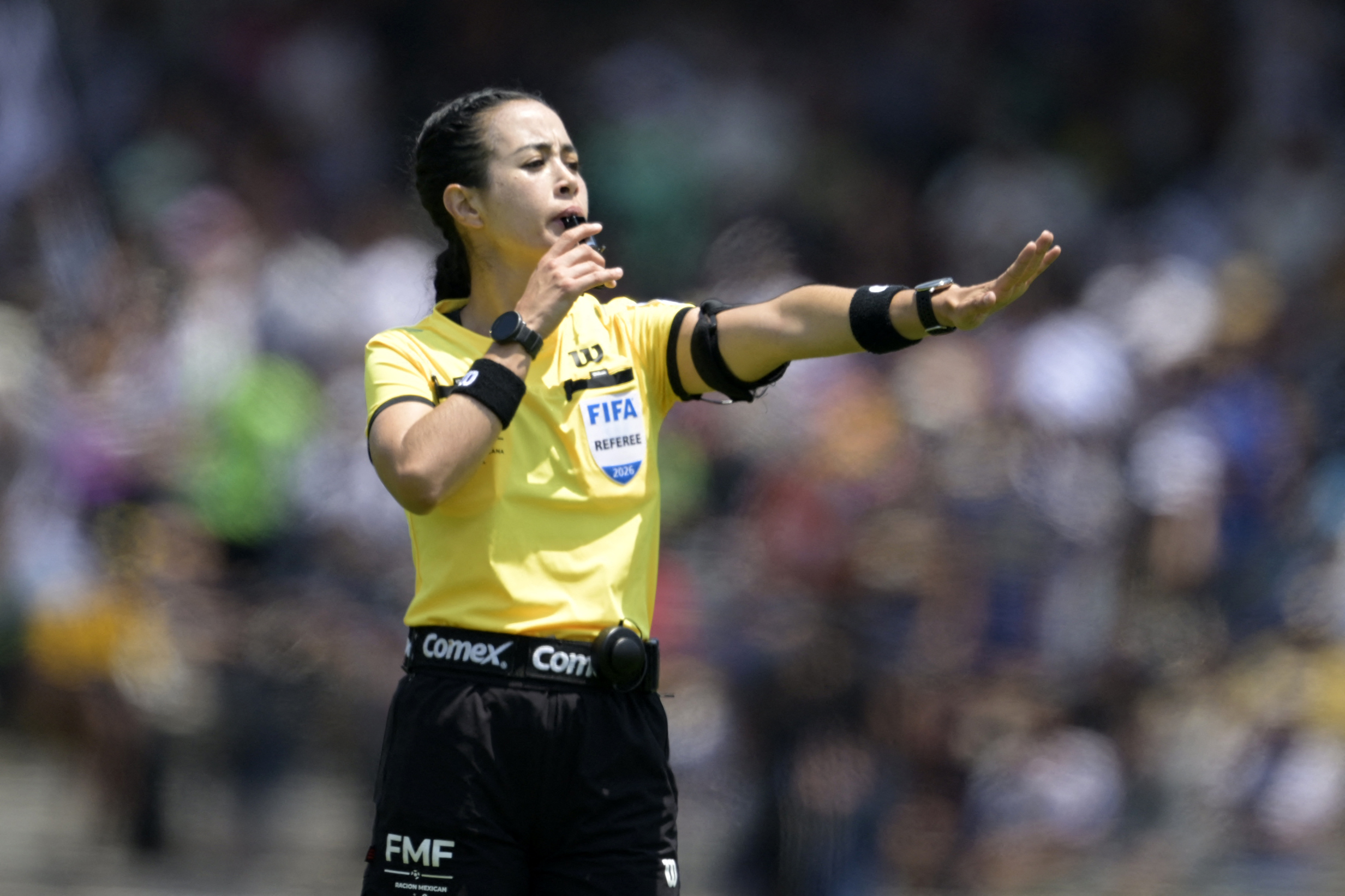
One of the most visible signs of progress at World Cup 2026 is the continued presence of women among FIFA’s selected match officials.
These referees arrive with impressive professional backgrounds that extend far beyond football.
Kathryn Nesbitt: From Science Lab to World Cup
American assistant referee Kathryn Nesbitt holds a doctorate in analytical chemistry and previously managed a neuroscience research laboratory before dedicating herself fully to officiating.
Her scientific training, she has explained, helps her process information quickly and make accurate decisions under pressure—skills that are invaluable in elite-level football.
After becoming part of the historic officiating team at the 2022 FIFA World Cup in Qatar, she continues to represent a new generation of highly accomplished women in sports.
Tori Penso: Leadership Under Pressure
Field referee Tori Penso combines elite officiating experience with a background in business administration and digital marketing.
Having officiated major international matches, including the FIFA Women’s World Cup Final, she has often spoken about how motherhood has strengthened her patience, resilience, and leadership skills.
Her message to young girls remains simple yet powerful: dream bigger than others expect.
Katia Itzel García: Breaking New Ground in Mexico
Mexican referee Katia Itzel García has become one of the most recognizable figures in Latin American officiating.
A graduate of political science and public administration, García made history by becoming one of the few women to officiate matches in Mexico’s top men’s professional league, demonstrating that excellence—not gender—defines success at the highest levels of competition.
Tatiana Guzmán: A Historic First for Nicaragua
Tatiana Guzmán has achieved several milestones throughout her refereeing career, including becoming the first Nicaraguan woman selected for a FIFA World Cup officiating team.
Before focusing on football, she worked in environmental quality and public infrastructure inspection, experiences that contributed to the attention to detail required in Video Assistant Referee (VAR) operations.
Brooke Mayo and Sandra Ramírez
Assistant referees Brooke Mayo of the United States and Sandra Ramírez of Mexico further highlight the expanding role of women in international officiating.
Their appointments reflect the growing recognition of female officials within FIFA competitions and underscore the increasing diversity of football’s decision-makers.
Shaping the Global Conversation
Women’s influence at World Cup 2026 extends well beyond the touchline.
Leading broadcasters are placing experienced female journalists, presenters, and former athletes at the center of tournament coverage.
Among them is Rebecca Lowe, one of the most respected broadcasters in international sports media. Known for her authoritative presenting style and deep understanding of football, Lowe represents the evolution of sports journalism into a more inclusive and representative space.
Joining the conversation is former U.S. national team star Carli Lloyd. With one of the most decorated playing careers in women’s football, Lloyd brings elite-level insight to tactical analysis, helping audiences better understand the complexities of the modern game.
More Than Representation
The story of women at World Cup 2026 is about far more than visibility.
It is about expertise, leadership, and the recognition that football’s future is being shaped by talented professionals from diverse backgrounds. Scientists, executives, educators, athletes, analysts, and referees are all contributing to the success of the tournament.
Their presence reflects a broader shift taking place across global sport—one in which women are no longer viewed as participants on the margins but as decision-makers, innovators, and leaders at the center of the action.
As World Cup 2026 unfolds, these women are not simply witnessing history. They are helping create it.