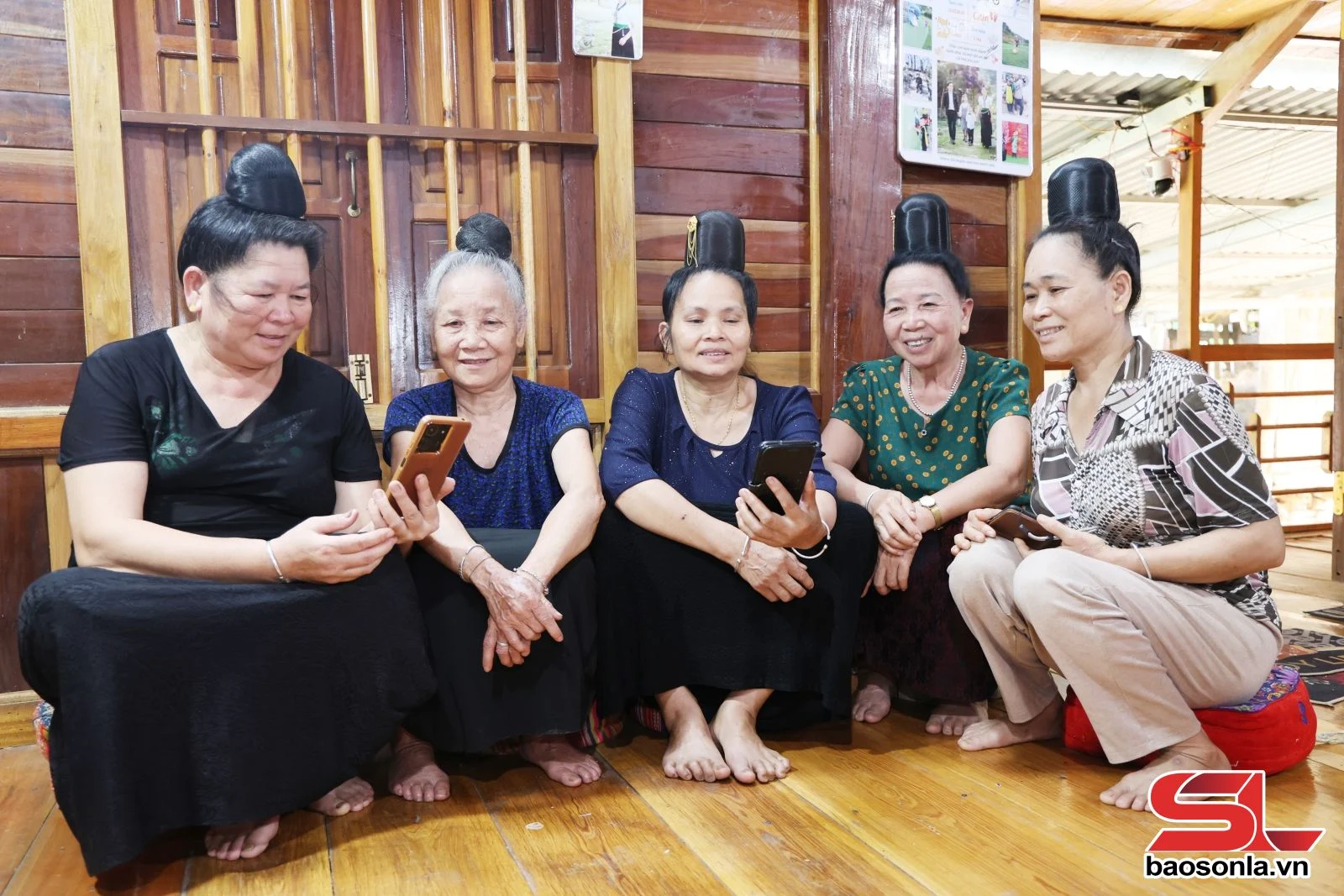

SON LA PROVINCE, VIETNAM — While conversations about digital transformation often focus on major cities and technology hubs, some of the most meaningful changes are taking place far from urban centers. In Vietnam’s mountainous Sơn La Province, women’s organizations are helping thousands of women embrace digital technology, opening new pathways to economic opportunity, education, and community engagement.
Across Thuận Châu District, local women’s unions have become powerful drivers of digital inclusion, encouraging members to integrate technology into both their professional activities and everyday lives. What began as an effort to modernize organizational operations has evolved into a broader movement that is reshaping how women access information, conduct business, and connect with society.
Turning Smartphones into Tools for Opportunity
For many women in rural communities, smartphones have become more than communication devices—they are gateways to knowledge.
Among them is Lò Thị Thương, a coffee farmer from Thuận Châu District. In the past, agricultural information was often limited to television programs, newspapers, or advice from neighboring farmers. Today, digital platforms provide immediate access to cultivation techniques, market updates, and farming resources.
By using online tools, farmers can monitor fluctuations in coffee prices, research agricultural practices, and make more informed decisions about when and how to sell their products. Access to real-time information is helping women participate more confidently in local economies and strengthen household incomes.
Bridging the Digital Divide
The Women’s Union of Thuận Châu has worked extensively to ensure that digital transformation reaches women of all ages and backgrounds.
With more than 7,000 members across dozens of local branches, the organization has introduced training programs, community workshops, and practical support designed to improve digital literacy. Members are encouraged to use digital platforms for communication, learning, and participation in organizational activities.
What is particularly noteworthy is the inclusion of older women, many of whom are actively learning how to navigate smartphones, social media platforms, and digital services. This effort is helping narrow the technology gap that often exists between generations.
Building “Digital Families” and “Digital Communities”
Local women’s unions have gone beyond basic technology training by introducing innovative community-based models, including “Digital Branches” and “Digital Families.”
These initiatives encourage women to integrate digital tools into daily life, from accessing online public services and electronic payments to participating in community discussions through digital platforms.
According to local women’s leaders, training sessions have helped members develop practical digital skills while reducing reliance on paper-based administrative processes. Many women now use online systems to access government services more efficiently, saving both time and resources.
Expanding Access to the Digital Economy
The digital transformation initiative is also creating new economic possibilities.
Women are increasingly learning how to market products online, use electronic payment systems, and engage with customers through social media platforms. These skills are helping participants explore opportunities within Vietnam’s growing digital economy, particularly in rural areas where traditional market access can be limited.
The movement also promotes responsible internet use, digital safety awareness, and access to reliable information—essential skills in an increasingly connected world.
Empowering Women Through Technology
Across Sơn La Province, women’s organizations have established online groups through platforms such as Zalo and Facebook, enabling members to exchange knowledge, share experiences, and stay informed about community initiatives.
The approach demonstrates how digital inclusion can support broader social development goals. By strengthening digital literacy, women gain greater access to educational resources, economic opportunities, public services, and professional networks.
A Local Initiative with National Relevance
The experience of women’s associations in Sơn La reflects a broader trend taking place across Vietnam, where digital transformation is increasingly viewed as a tool for inclusive development.
Rather than focusing solely on technological advancement, these initiatives highlight the human side of innovation—ensuring that women, including those in remote and rural communities, have the skills and confidence to participate fully in the digital age.
As Vietnam continues its digital transformation journey, the women of Sơn La are demonstrating that meaningful progress is not measured only by technology itself, but by how it improves lives, expands opportunities, and empowers communities.
Source: Vietnam.vn, reporting on activities of women’s associations in Sơn La Province, Vietnam, based on information originally published by Báo Sơn La.