
In a proactive step toward economic inclusion and female empowerment in rural Egypt, Mr. Belal Habash, Deputy Governor of Beni Suef, praised the innovative initiative “Tahwesha fi Bank” (Saving in a Bank), organized by the National Council for Women (NCW) in collaboration with Banque Misr. The initiative is part of the broader National Project for the Development of the Egyptian Family.

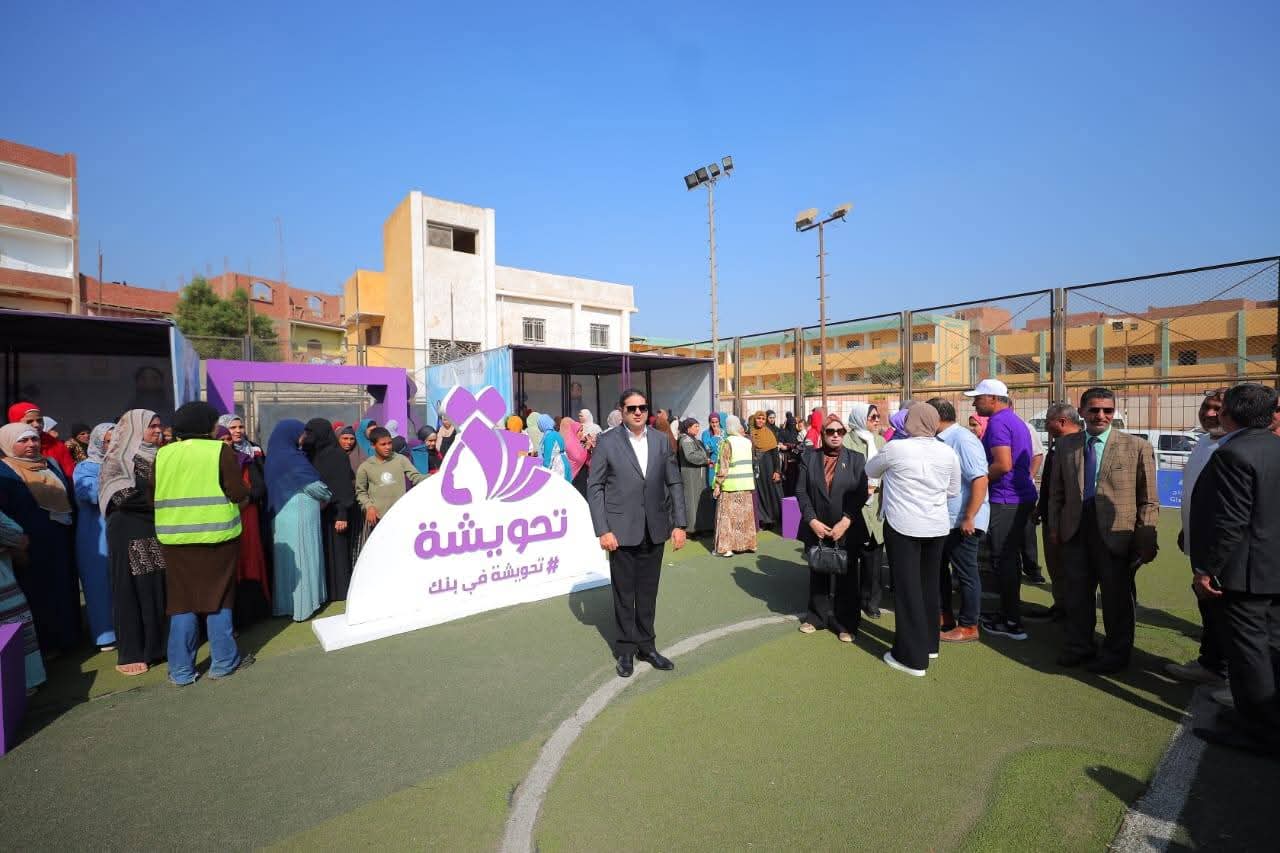
Representing Governor Dr. Mohamed Hany Ghoneim, Deputy Governor Habash visited the simulation event at Beni Ady Youth Center, where women experienced mock banking transactions in a realistic, hands-on learning environment.
Simulated Banking to Break Barriers
The banking simulation—spearheaded by the NCW’s Financial Inclusion Program—aims to demystify banking processes for women in rural areas and encourage them to engage confidently with formal financial institutions.
Ms. Nashwa Mostafa, Acting National Director of the Financial Inclusion Program, explained that trained financial facilitators act as bank employees in kiosk setups, guiding women through services like savings, opening accounts, and microloans—all in a clear and accessible way.
“This initiative is about more than saving—it’s about confidence, independence, and the right to financial security,” said Mostafa.
Leadership Applauds Real-World Empowerment
Deputy Governor Habash commended the initiative as a practical tool for achieving economic empowerment. He noted that programs like Tahwesha fi Bank serve as effective extensions of Egypt’s national vision to support women’s roles in community development.
Supporting “Haya Karima” and Green Entrepreneurship
The initiative falls under the “Tahwesha” project, implemented from October 15–30, targeting villages in the first phase of the presidential “Haya Karima” (Decent Life) initiative, particularly in Nasser and Beba districts. Villages include Beni Ady, Al-Zaytoun, Bahbashin, Safat Rashin, and Helya.
According to Ms. Narmin Mahmoud, Beni Suef Branch Coordinator for the NCW, the initiative incorporates:
- Financial and digital inclusion kiosks
- Awareness sessions on green and smart micro-projects
- A Women’s Complaint Office via the hotline 15115
- Free national ID services for underprivileged women
- A specialized eye care medical convoy offering free checkups and treatment to local women and girls
Promoting Long-Term Socioeconomic Change
The simulation model, combined with financial education and medical support, is designed to foster long-term change—helping women build sustainable income streams, increase their digital literacy, and access government services that are often difficult to navigate in rural areas.
The program is a clear example of public-private partnership success, where government bodies, financial institutions, and local leadership work together to empower Egyptian women from the ground up.