
The race to succeed United Nations Secretary-General António Guterres is gaining momentum ahead of the end of his second term on December 31, 2026. The next Secretary-General is expected to take office on January 1, 2027, at a time when the UN is facing growing political, financial and institutional challenges.
One of the most significant questions surrounding the selection process is whether the United Nations will finally appoint a woman to its top position. Since the organization was founded in 1945, every Secretary-General has been a man.

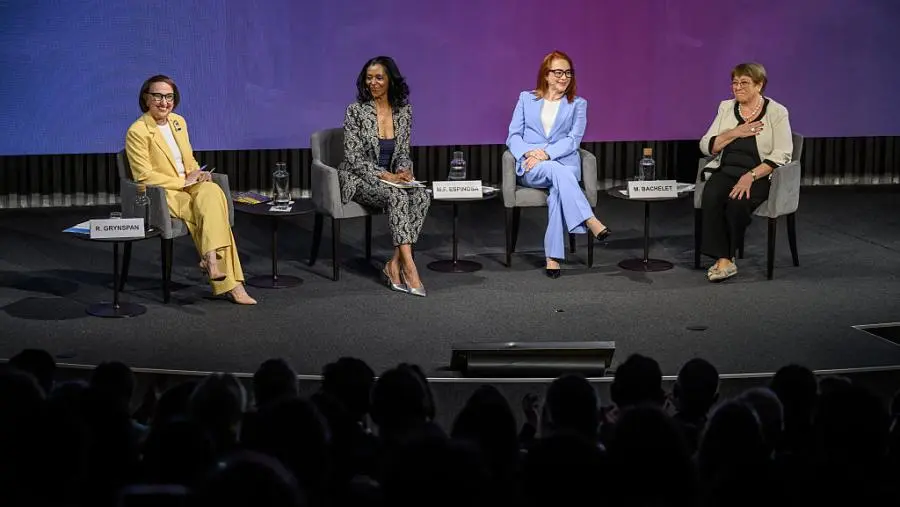
The current race includes prominent female candidates, including former Chilean President Michelle Bachelet and UN Trade and Development Secretary-General Rebeca Grynspan, alongside male contenders such as International Atomic Energy Agency Director General Rafael Grossi and former Senegalese President Macky Sall.
The selection comes as the United Nations faces serious financial pressure and growing criticism over its ability to respond effectively to global conflicts. The organization has also been under increasing pressure to reform its institutions and improve its efficiency.
The United States remains particularly influential in the process as the largest contributor to the UN’s regular budget. Washington has also reduced funding for the organization and several UN agencies under President Donald Trump, adding another layer of uncertainty to the upcoming selection.
For women’s leadership advocates, however, the 2026 race represents a historic opportunity. A woman leading the United Nations for the first time would mark a major milestone in international leadership and gender equality.
The final decision will be made through the UN Security Council and formally approved by the General Assembly. Whether 2027 will finally mark the beginning of a woman-led United Nations remains one of the most closely watched questions in global diplomacy.