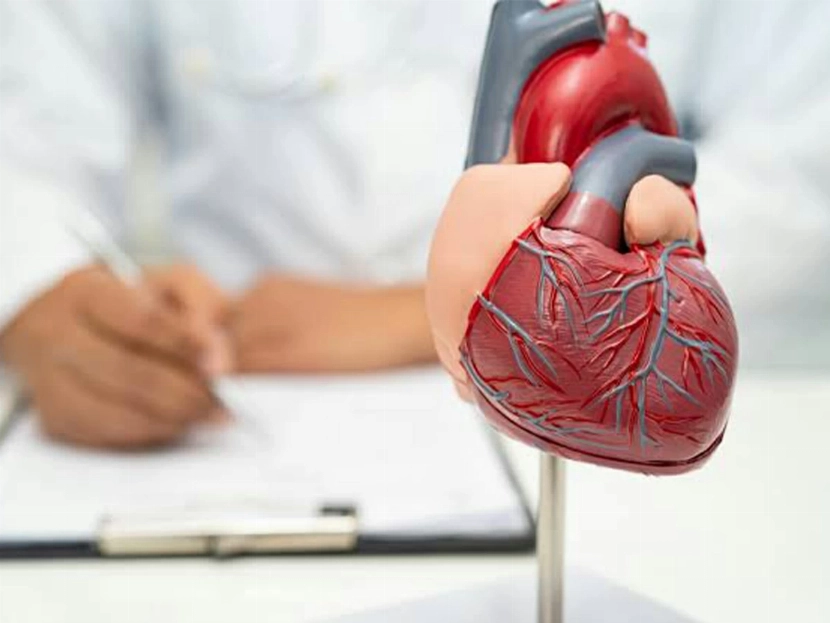

Women diagnosed with Polycystic Ovary Metabolic Syndrome (PMOS) may face up to four times the risk of developing cardiovascular disease compared with women without the condition, according to a major new U.S. study that underscores the need for earlier diagnosis and improved heart health monitoring.
The findings add to growing evidence that PMOS is more than a reproductive health condition, highlighting its significant impact on long-term cardiovascular health.

A Hormonal Condition with Wide-Ranging Health Effects
PMOS is a common hormonal disorder that affects multiple aspects of women’s health, including menstrual regularity, fertility, excessive hair growth, metabolism, and mood.
The condition was previously known as Polycystic Ovary Syndrome (PCOS). The updated terminology reflects a broader understanding that the disorder extends far beyond ovarian cysts alone. Experts say the previous name sometimes contributed to delayed diagnosis because many women experience the syndrome without having ovarian cysts.
Large-Scale Study Examined More Than 2.4 Million Women
The research, reported by The Independent and published in The Lancet, analyzed health insurance records from more than 413,000 women aged 18 to 50 diagnosed with PMOS and compared them with data from over two million women without the condition.
Researchers examined medical records collected between 2000 and 2022, making it one of the largest studies to investigate the relationship between PMOS and cardiovascular disease.
Heart Disease Risk Remained Elevated
The study found that women living with PMOS were approximately four times more likely to develop cardiovascular disease than women without the condition.
Importantly, the increased risk remained significant even after researchers accounted for traditional cardiovascular risk factors such as high blood pressure and diabetes. This suggests that PMOS itself may independently contribute to the development of heart and blood vessel disease.
Why Early Diagnosis Matters
Researchers say the findings reinforce the importance of recognizing PMOS as a condition that requires comprehensive medical care—not only to address reproductive and hormonal symptoms but also to protect long-term cardiovascular health.
They recommend greater awareness among healthcare professionals and women living with PMOS to encourage earlier diagnosis, regular cardiovascular risk assessment, and preventive interventions before complications develop.
Improving Awareness and Prevention
According to the research team, expanding medical education and helping women better understand the cardiovascular implications of PMOS could improve prevention strategies and reduce future heart disease risk.
The findings highlight the importance of integrating heart health monitoring into the routine management of women diagnosed with PMOS, ensuring they receive timely lifestyle guidance, ongoing risk evaluation, and appropriate medical care alongside treatment for hormonal symptoms.
While further research is expected to refine understanding of the biological mechanisms linking PMOS and cardiovascular disease, the study provides strong evidence that heart health should be considered a central component of long-term care for women living with the condition.