
Egypt’s banking sector is accelerating its transition toward sustainable finance, with a senior executive at Commercial International Bank (CIB) crediting the country’s central bank for advancing environmental, social and governance (ESG) integration without placing excessive pressure on lenders.
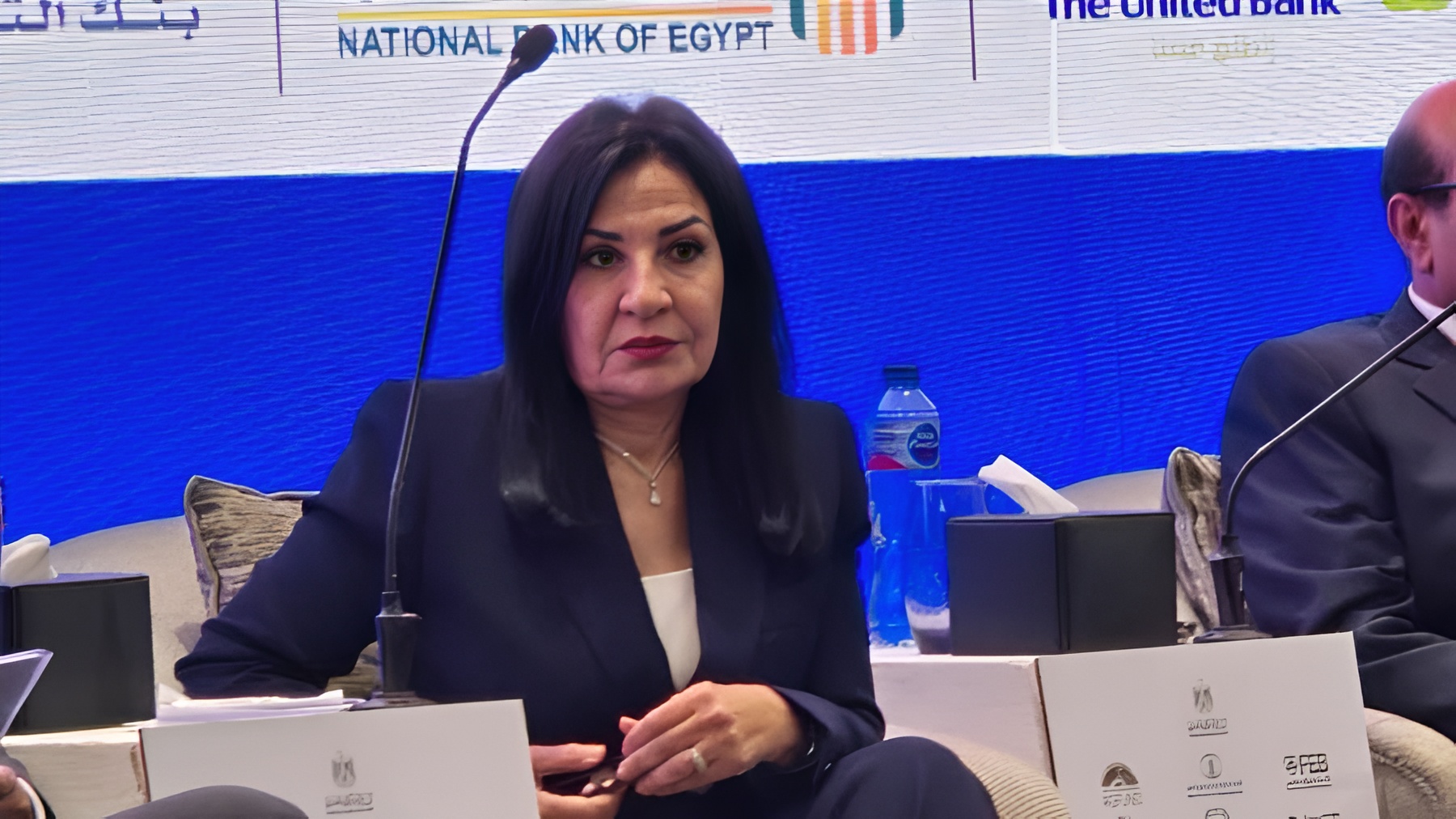
Speaking at a banking industry event, Dalia Abdelkader, Chief Sustainability Officer at CIB, said the Central Bank of Egypt has been instrumental in shaping a gradual but consistent transition toward sustainable finance.

“The Central Bank is leading the shift toward sustainable finance while giving banks the space to prepare, without slowing regulatory momentum,” she said during a panel discussion attended by senior bankers and policymakers.
From policy guidance to implementation
The event highlighted a clear shift in Egypt’s financial sector—from high-level ESG commitments to practical execution within banks.
Rather than enforcing abrupt requirements, the Central Bank has adopted a phased regulatory approach, allowing institutions time to integrate sustainability into lending, credit assessment, and risk management frameworks.
Abdelkader said this balance is helping banks move beyond compliance-driven sustainability toward embedding ESG into core business decisions.
ESG risk pricing reshaping banking decisions
A key focus of the discussion was ESG risk pricing, which Abdelkader described as a structural turning point for the industry.
By integrating environmental and social risks into credit models, banks can improve risk accuracy and better allocate capital toward sustainable and lower-risk sectors.
Over time, she noted, this shift could reduce reliance on regulatory pressure by allowing market mechanisms to naturally direct financing toward sustainable activities.
Global divergence, sustained momentum
Abdelkader also highlighted diverging global trends, noting that while political support for climate finance has softened in some regions, global investment in sustainable assets continues to grow.
This suggests, she said, that sustainable finance is increasingly driven by long-term economic fundamentals rather than short-term policy cycles.
For Egypt, this creates both momentum and urgency as local banks align with global standards while supporting national development priorities.
CIB’s strategic positioning
Within this evolving environment, CIB is positioning itself as an early mover in ESG integration.
The bank is embedding sustainability into its financial strategy, with a focus on integrating ESG considerations into credit decisions and internal risk frameworks.
Abdelkader indicated that this approach reflects a broader shift from reporting ESG metrics to actively using them as a financial decision-making tool.
A sector in transition
The discussion underscored a wider transformation in Egypt’s banking sector, where sustainable finance is increasingly viewed as a structural feature of modern banking rather than a standalone initiative.
With regulatory backing from the Central Bank and active participation from leading institutions like CIB, the sector appears to be entering a more mature phase of ESG adoption—focused on execution, risk pricing, and measurable outcomes.
As Abdelkader emphasized, the next phase of sustainable finance will be defined not by policy commitments, but by how effectively banks translate sustainability into financial performance.