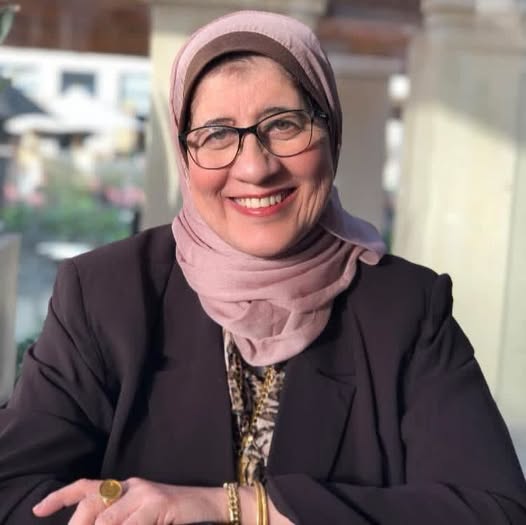

Egyptian scientist and researcher Dr. Amal Amin, a professor at Egypt’s National Research Centre, has received the international Profound Award from the Royal Academy of Science International (RASIT), becoming the first Arab recipient of the distinction since the award was established.
The award recognizes Amin’s contributions across science and social development, as well as her work in strengthening international scientific cooperation and supporting women and young researchers. According to the announcement, her international work has included cooperation with organizations such as UNESCO and the International Science Council, alongside initiatives aimed at expanding opportunities for women and youth in research.

A Recognition of Science and Wider Impact
Amin’s achievement reflects a broader dimension of scientific work: the value of research and expertise not only within laboratories and academic institutions, but also through international collaboration and initiatives that help strengthen the research community.
Her recognition also places the contribution of women researchers in the spotlight. The National Council for Women congratulated Amin on the award, highlighting her contributions to international scientific cooperation, women’s participation in science, and the development of opportunities for young researchers.
An International Distinction
The Profound Award is presented by RASIT to individuals whose work reflects contributions to education, science, culture, and sustainable development. The academy was established in 1968, and the award is described as one of its major distinctions.
The award ceremony is expected to take place in Cairo later this year, providing an opportunity to formally celebrate Amin’s achievement in Egypt.
For Dr. Amal Amin, becoming the first Arab recipient of the Profound Award marks a significant international recognition of her scientific and collaborative work. It also brings attention to the role of Egyptian women researchers in contributing to science, international cooperation, and the development of the next generation of researchers