
KAFR EL SHEIKH, Egypt — Kafr El Sheikh University has strengthened its commitment to women’s health and protection by launching a dedicated Safe Women Unit at Kafr El Sheikh University Hospital while also inspecting the university’s Violence Against Women Unit at the Faculty of Arts. The initiative reflects Egypt’s broader strategy to improve integrated healthcare, psychological support, and social protection services for women through institutional partnerships.
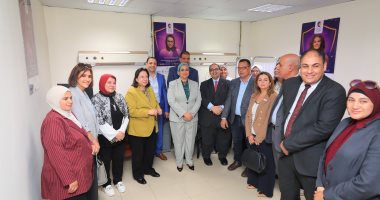
The inauguration was attended by Professor Yehia Zakaria Eid, President of Kafr El Sheikh University, and Counselor Amal Ammar, President of Egypt’s National Council for Women, alongside senior university officials and representatives from the United Nations Population Fund (UNFPA) in Egypt.

The newly established Safe Women Unit has been designed to provide comprehensive healthcare, psychological counseling, social support, and confidential assistance for women through multidisciplinary medical teams operating under internationally recognized professional standards.
Professor Yehia Zakaria Eid emphasized that the unit reflects the university’s vision of combining academic excellence with social responsibility. He said protecting women’s dignity and providing integrated healthcare services are essential components of Egypt’s sustainable development strategy and the country’s broader vision of building human capital.
He explained that the initiative extends beyond medical treatment by offering psychological and social support, awareness programs, and professional case management while ensuring confidentiality and respect for women’s rights.
The university president also highlighted the importance of creating a safe educational environment where students, faculty members, and staff feel protected and respected. He noted that the university considers awareness, prevention, and institutional support fundamental pillars for promoting equality, respect, and human dignity across campus.
During the visit, the delegation reviewed the operations of the Violence Against Women Unit at the Faculty of Arts, where officials received a detailed presentation about complaint handling procedures, awareness campaigns, psychological services, educational programs, and confidential response mechanisms designed to combat discrimination and violence within the university community.
Counselor Amal Ammar praised the university’s efforts, describing the Safe Women Unit as an important addition to Egypt’s expanding network of institutional mechanisms that support women and promote safe educational and healthcare environments.
She said the initiative reflects growing cooperation between universities, government institutions, and development partners to strengthen women’s protection while advancing national efforts toward gender equality and sustainable development.
Jerman Haddad, Assistant Representative of the United Nations Population Fund in Egypt, described the project as a successful model of cooperation between Kafr El Sheikh University, the National Council for Women, and UNFPA Egypt.
She noted that the partnership demonstrates a shared commitment to delivering integrated services based on international best practices while strengthening women’s access to healthcare, psychosocial support, awareness, and protection services.
University medical leaders confirmed that the Safe Women Unit is staffed by specialized multidisciplinary healthcare professionals trained to deliver integrated medical, psychological, and social services with rapid response procedures and strict confidentiality standards.
Officials also stressed that the university will continue implementing awareness campaigns, educational workshops, and training programs aimed at preventing violence, promoting equality, and encouraging respectful relationships across the university community.
The launch reinforces Kafr El Sheikh University’s role as one of Egypt’s leading public universities integrating healthcare, education, community service, and women’s empowerment through sustainable institutional initiatives that align with the country’s national development priorities.