
The journey from childhood to adolescence is one of the most significant transitions in a young person’s life. As physical, emotional, and social changes unfold, the role of parents and caregivers becomes increasingly important in helping teenagers navigate this period with confidence, knowledge, and security.
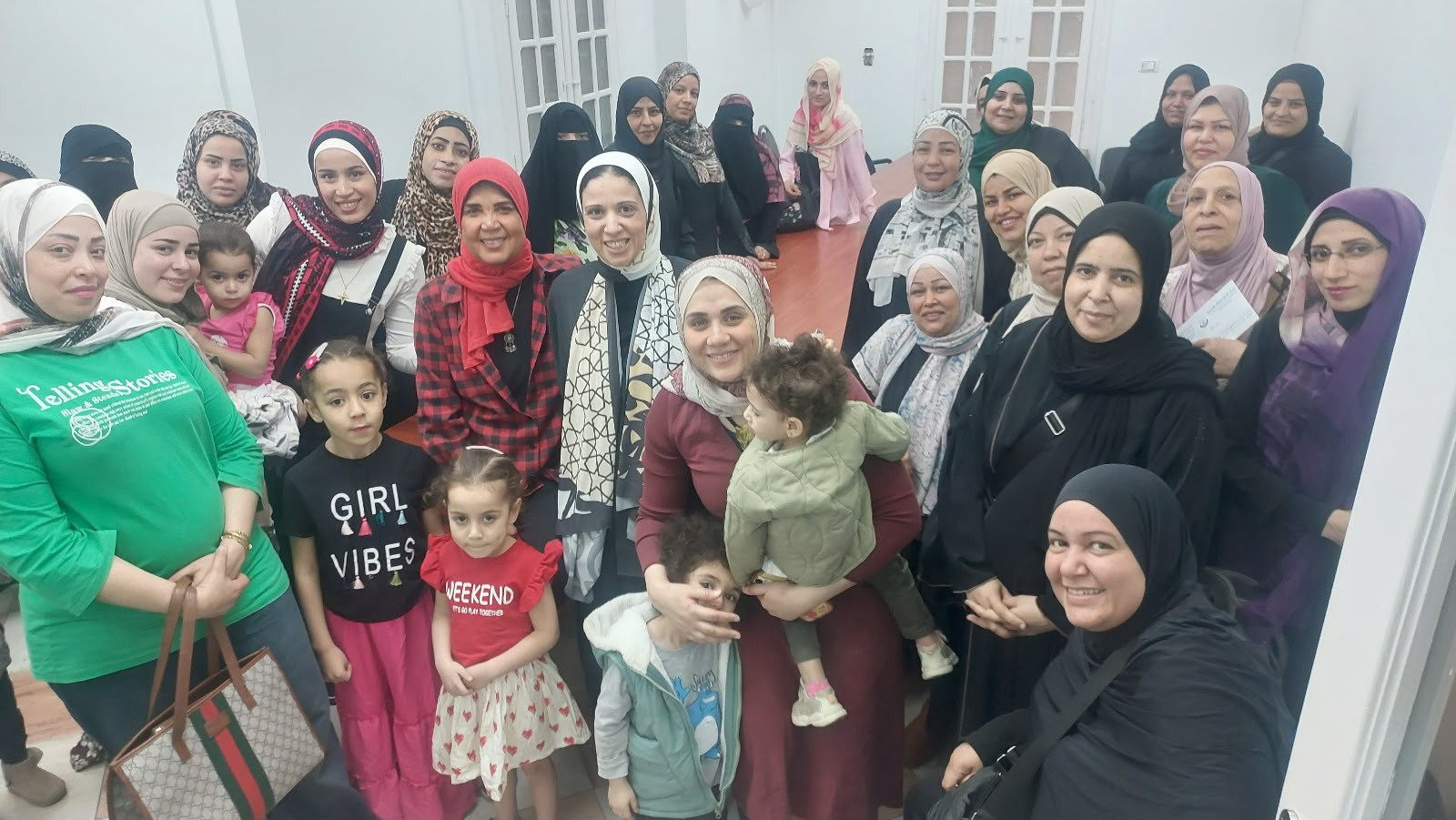
Recognizing this need, the Egyptian Center for Women’s Issues recently organized a series of awareness sessions designed to support both adolescents and their families. The initiative focused on strengthening communication within households and equipping parents with practical tools to guide their children through puberty and adolescence in a healthy and informed way.

Empowering Parents Through Knowledge

One of the sessions brought together mothers of boys and girls between the ages of 14 and 17 to discuss the realities of adolescence and the challenges families often face during this stage. The discussions explored the physical and emotional changes teenagers experience, while also highlighting the importance of maintaining open and respectful communication.
Participants exchanged experiences and raised questions about age-appropriate health education, learning how to provide accurate information to their children in ways that are both understandable and suitable for different developmental stages.
The program emphasized that family dialogue is one of the strongest protective factors for adolescents. When young people feel safe discussing sensitive topics with trusted adults, they are better equipped to make informed decisions and seek support when needed.
Preparing Girls for Puberty with Confidence
A separate session was dedicated to girls aged 10 to 13, focusing on the changes associated with puberty and how to approach them positively.
Under the message, “Silence Does Not Protect—Awareness Does,” participants learned about physical development, emotional wellbeing, personal hygiene, and menstrual health. The discussions encouraged girls to understand their changing bodies without fear or embarrassment and to view puberty as a natural part of growing up.
The program also addressed emotional awareness, helping participants recognize healthy relationships, understand personal boundaries, and distinguish between admiration and manipulation.
Promoting Safety and Protection
An important component of the initiative focused on protecting children from harassment and exploitation. Through age-appropriate discussions, participants learned practical strategies for personal safety, recognizing inappropriate behavior, and seeking help from trusted adults when necessary.
To reinforce these messages, an additional session was organized for parents, creating a unified approach between children and their families. The discussions explored how parents can create safe environments, identify warning signs of abuse, and provide emotional support if a child experiences any form of harassment or exploitation.
Building Stronger Families, Stronger Futures
Experts involved in the program stressed that protecting adolescents goes beyond supervision. It requires trust, communication, and access to reliable information. Families that foster open conversations about health, emotions, and personal safety can play a decisive role in helping young people develop resilience and self-confidence.
As digital platforms continue to shape how children access information, the initiative also highlighted the importance of educating families about online safety and encouraging parents to remain engaged in their children’s digital lives.
Ultimately, adolescence should not be viewed as a period of fear or uncertainty, but as an opportunity for growth. By empowering both parents and young people with knowledge and communication skills, communities can help create safer, healthier, and more supportive environments where every child has the opportunity to thrive.