
Egypt has taken another step toward strengthening women’s rights in the workplace with a new decision issued by the Minister of Labor on equality and non-discrimination in employment. Introduced in May 2026, the measure builds on the country’s 2025 Labor Law reforms and reflects ongoing efforts to create fairer working environments for both women and men.
While the principle of equal pay has long appeared in legal frameworks, experts note that workplace inequality often extends beyond basic salaries. Differences in bonuses, incentives, allowances, promotions, and professional opportunities can create significant disparities over time, limiting women’s economic advancement and career growth.

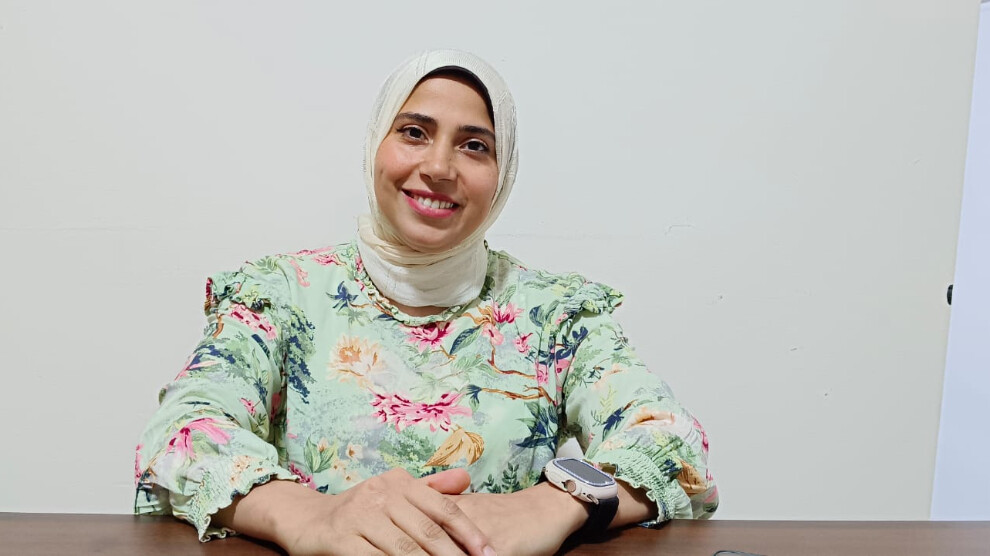
According to economic and knowledge empowerment trainer Nour Galal, the new regulation could become an important milestone in reducing gender disparities within Egypt’s labor market—provided it is effectively implemented and monitored.
Looking Beyond Basic Salaries
Galal emphasizes that the value of the new decision lies in its broader interpretation of compensation. Rather than focusing solely on base pay, the regulation addresses the concept of comprehensive remuneration, including financial benefits, incentives, rewards, and advancement opportunities.
In many workplaces, women may receive salaries comparable to those of their male colleagues while still facing unequal access to bonuses, leadership opportunities, and career progression. Addressing these hidden disparities, Galal argues, is essential to achieving meaningful workplace fairness.
Ensuring equal access to financial and professional benefits can help women feel recognized and valued for their contributions, strengthening both workplace satisfaction and long-term career development.
Can Legislation Really Close the Gap?
While the decision has been welcomed by advocates of gender equality, experts caution that legal reforms alone may not eliminate workplace disparities.
Galal notes that gender inequality is not limited to wages. Women often encounter barriers in hiring, promotion, and access to leadership positions. In some sectors, men continue to be favored for certain roles, while women may face additional challenges in advancing professionally.
As a result, the success of the regulation will depend not only on the existence of legal protections but also on the creation of practical enforcement mechanisms that ensure organizations comply with non-discrimination standards.
Enforcement Matters
One of the most significant challenges is ensuring that workplace equality policies are consistently applied across both public and private sector organizations.
Galal stresses the importance of establishing effective monitoring systems and transparent accountability measures. She suggests that companies could be categorized according to size and industry, with regular reporting requirements that allow authorities to evaluate compliance with equality standards.
She also highlights the need for secure and confidential complaint mechanisms through the Ministry of Labor. Such channels would enable women to report discriminatory practices without fear of retaliation, dismissal, or professional consequences.
The Cultural Challenge
Despite legislative progress, many experts believe that social attitudes remain one of the greatest obstacles to workplace equality.
According to Galal, some employers continue to hold outdated assumptions about women’s capabilities or suitability for certain positions. These perceptions can influence recruitment decisions, promotion pathways, and access to professional opportunities.
Addressing these challenges requires more than legal reform. Public awareness initiatives, workplace training programs, and broader cultural conversations are necessary to encourage more inclusive attitudes toward women’s participation and leadership in the workforce.
Importantly, Galal notes that engaging men in these conversations is essential, particularly because many leadership and decision-making positions remain predominantly occupied by men.
Benefits for Women—and for Business
If implemented effectively, the new regulation could deliver significant benefits not only for women but also for employers and the broader economy.
Greater workplace fairness can improve employee confidence, increase job satisfaction, and strengthen organizational loyalty. Women who feel respected and valued are more likely to remain in the workforce, pursue leadership opportunities, and contribute fully to their organizations.
Research consistently shows that diverse and inclusive workplaces benefit from stronger innovation, better decision-making, and improved overall performance. By reducing barriers to women’s participation and advancement, employers can make better use of available talent and strengthen their competitive position.
A Step Forward, but Not the Final Destination
Egypt’s new workplace equality decision represents a promising development in the country’s efforts to promote gender fairness and economic inclusion. However, its long-term impact will depend on effective enforcement, institutional commitment, and continued progress in challenging discriminatory attitudes.
Legislation can establish the framework for equality, but meaningful change occurs when policies are translated into everyday workplace realities. For millions of women across Egypt, the true measure of success will be whether these reforms create tangible improvements in pay, opportunity, and professional advancement.
As the country continues to modernize its labor market, ensuring equal treatment for women is not only a matter of fairness—it is also a strategic investment in economic growth, productivity, and sustainable development.