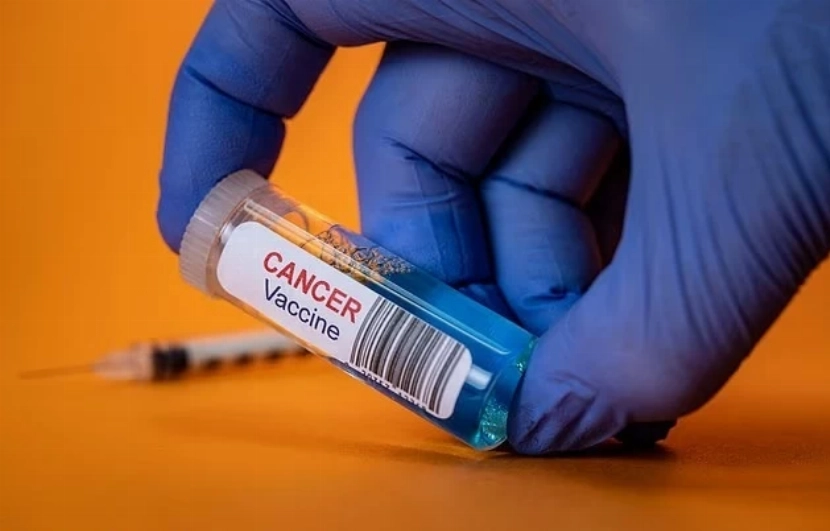

A pioneering vaccine designed to prevent certain cancers before they develop is set to enter clinical trials in the United Kingdom this summer, marking a potentially transformative step in cancer prevention.
The experimental vaccine is being developed for people living with Lynch syndrome, an inherited genetic condition that significantly increases the risk of several cancers, including bowel, ovarian, and endometrial cancer. The syndrome is also associated with elevated risks of cancers affecting the stomach, pancreas, kidneys, and skin.

Training the Immune System to Stop Cancer Early
The new study, known as Intercept-Lynch, aims to train the immune system to recognize and eliminate abnormal or pre-cancerous cells before they can develop into malignant tumors.
The research project is being led by the University of Oxford with support from Cancer Research UK, bringing together leading experts in genetics, immunology, and cancer prevention.
Researchers estimate that around 175,000 people in England are living with Lynch syndrome, although only a small percentage are aware they carry the genetic condition. The syndrome is linked to a lifetime bowel cancer risk of up to 80 percent and is believed to contribute to more than 1,000 bowel cancer cases annually.
How the Vaccine Works
Lynch syndrome results from inherited mutations in genes responsible for repairing DNA errors that occur during cell division. While carriers typically experience no symptoms, these genetic changes can allow additional mutations to accumulate over time, increasing the likelihood of cancer development.
Participants in the first phase of the trial will receive an experimental vaccine called mRNA-4194. Researchers will evaluate how effectively it stimulates the immune system, determine the optimal dosage, and assess its safety profile.
A second phase of the study is expected to begin in 2027 across multiple medical and research centers throughout the UK.
A New Frontier in Cancer Prevention
According to Professor David Church, the study’s lead investigator, people with Lynch syndrome face a lifelong risk of developing multiple cancer types. He explained that the vaccine targets genetic mutations shared across several cancers associated with the condition, potentially offering broad protection if proven effective.
The vaccine uses messenger RNA (mRNA) technology to provide the immune system with instructions that help it identify and attack abnormal cells before they become cancerous. Researchers believe booster doses may eventually be needed to maintain long-term immune protection.
David Berman, a senior executive involved in the project, noted that applying mRNA technology before disease develops could maximize the body’s natural immune defenses. He described the initiative as a promising collaboration between scientific institutions and biotechnology innovators working toward a new era of preventive healthcare.
What This Could Mean for Women’s Health
For women living with Lynch syndrome, the research is particularly significant because the condition substantially increases the risk of both ovarian and endometrial cancers. If successful, the vaccine could offer a proactive approach to reducing cancer risk long before symptoms appear.
Beyond Lynch syndrome, scientists believe the study may pave the way for future preventive vaccines targeting other forms of cancer. By teaching the immune system to recognize the earliest warning signs of disease, researchers hope to shift cancer care from treatment to prevention.
While the vaccine remains in the clinical trial stage, experts view it as an exciting development that could reshape the future of cancer prevention and provide new hope for individuals with inherited cancer risks.