
Egypt’s Presidential Women’s Health Initiative has helped reduce breast cancer mortality by 15% over the past three years, according to Dr. Hatem Amin, Executive Director of the initiative, highlighting the impact of nationwide early detection and free screening programs.
Speaking during a television interview, Amin said the initiative has exceeded international expectations by achieving an average annual reduction in breast cancer deaths of approximately 5%, double the 2.5% yearly decline generally anticipated under global standards.

Exceeding Global Expectations
Amin explained that when Egypt developed its national strategy to combat breast cancer, health officials expected the program to reduce mortality by around 2.5% annually, in line with recommendations from the World Health Organization (WHO). However, sustained political commitment, widespread public awareness campaigns, and expanded access to screening services enabled the initiative to achieve an annual decline of nearly 5%.
As a result, breast cancer mortality fell by approximately 15% between 2022 and 2024, representing one of the initiative’s most significant public health achievements.
Data-Driven Healthcare
The Executive Director noted that all Presidential Health Initiatives in Egypt operate through integrated electronic data systems that collect patient information digitally. These systems allow healthcare teams to monitor patient pathways, track outcomes, evaluate progress, and identify priority groups for awareness campaigns and early detection services.
He said the electronic platform enables continuous analysis of healthcare data, supporting evidence-based planning and improving the effectiveness of national cancer prevention programs.
Supporting Early Detection
Amin highlighted that the Women’s Health Initiative is part of a broader package of Presidential Health Initiatives, which also includes programs targeting hepatitis C elimination and liver cancer treatment, alongside other national cancer prevention and screening efforts.
He emphasized that early diagnosis remains the most effective defense against breast cancer because there is currently no vaccine that prevents the disease.
“Early detection allows cure rates to reach nearly 100%,” he explained, encouraging women to undergo annual breast cancer screening even if they have no symptoms.
Expanding Access to Free Screening
One of the initiative’s greatest strengths, Amin said, is that screening and awareness services are provided free of charge, making them widely accessible across Egypt.
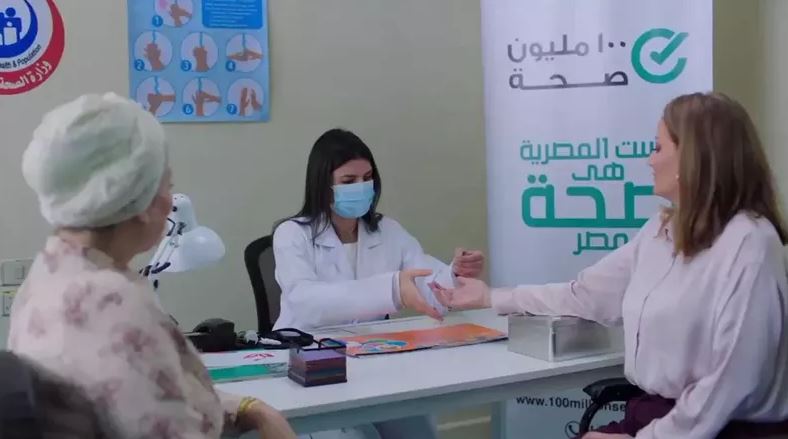
Women can receive breast cancer screening, medical consultations, and health education through more than 3,700 primary healthcare units nationwide, in addition to mobile medical clinics that regularly visit communities to reach women who may have limited access to healthcare facilities.
He encouraged every woman to visit her nearest healthcare unit at least once a year for a routine breast examination and awareness services, noting that screening appointments require only a few minutes.
International Recognition
Amin also referred to recent findings from GLOBOCAN, the global cancer observatory of the International Agency for Research on Cancer (IARC), part of the World Health Organization, which reported a measurable decline in Egypt’s overall cancer burden.
The latest international estimates were also highlighted by Dr. Khaled Abdel Ghaffar, Egypt’s Deputy Prime Minister for Human Development and Minister of Health and Population, who described the results as evidence of the country’s significant progress in cancer prevention, early diagnosis, and public health services.
The continued expansion of Egypt’s Presidential Women’s Health Initiative demonstrates how sustained investment in early detection, digital healthcare systems, and free nationwide screening can improve survival rates and strengthen women’s health outcomes across the country.