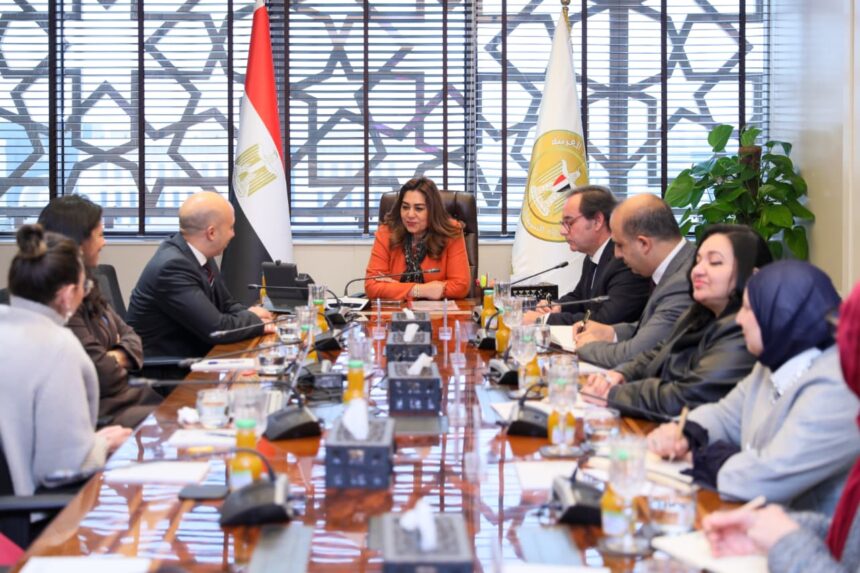

Egypt is accelerating its push toward a green economy, as Environment and Local Development Minister Dr. Manal Awad held high-level talks Monday with Mohamed El Araby, CEO of L’Oréal Egypt, to review the company’s sustainability roadmap and deepen public-private collaboration on environmental priorities.
The meeting, held March 30, brought together senior officials from Egypt’s environmental agencies and corporate leadership to align on strategies ranging from carbon reduction and waste management to extended producer responsibility (EPR) and public awareness initiatives.

A National Push for Green Growth
Awad emphasized the government’s commitment to turning environmental challenges into economic opportunities, underscoring Egypt’s broader transition toward sustainable development.
“Egypt is working to transform the environment into a driver of growth, job creation, and innovation,” Awad said, highlighting alignment with the country’s circular economy strategy, which prioritizes the use of agricultural waste as industrial raw material.
The minister reiterated that supporting investment in climate and environmental sectors remains a cornerstone of national policy, particularly as Egypt seeks to expand green industries and reduce emissions.
L’Oréal Egypt’s Sustainability Roadmap
Executives from L’Oréal Egypt presented ongoing initiatives focused on sustainability and scientific innovation, including:
- Reducing carbon emissions across operations
- Advancing safe waste disposal systems
- Partnering with packaging manufacturers to increase the use of recycled plastics
- Achieving “zero waste” within production processes
The company also outlined its research efforts in green science and sustainable product development, positioning Egypt as a key hub in its regional operations.
Toward Zero Emissions and Circular Practices
Awad called for deeper cooperation on emissions reduction and the development of carbon credit trading mechanisms, in line with Egypt’s national climate plans. She also stressed the importance of scaling awareness campaigns to encourage consumers to return empty packaging for recycling—an essential component of EPR frameworks.
The minister offered technical support from the government to facilitate joint initiatives, signaling openness to stronger regulatory and operational partnerships with the private sector.
Corporate Commitments and Achievements
According to company officials, L’Oréal Egypt has already made significant progress:
- Transitioned to 100% renewable energy in operations
- Implemented water recycling systems in manufacturing
- Met its 2025 carbon emissions reduction targets, with further cuts planned for 2026
- Expanded community programs focused on youth development and women’s empowerment
Since launching operations in Egypt in 2009, the company has invested more than €100 million, employs approximately 450 workers, and collaborates with 14 global brands and five international corporate social responsibility programs.
Strengthening Public-Private Partnerships
Mohamed El Araby reaffirmed the company’s commitment to sustainability and environmental protection, describing partnership with the Egyptian government as essential for achieving measurable impact.
“Our strategy integrates sustainability, community development, and scientific research,” he said. “We are committed to empowering women, building capacity, and raising awareness to tackle environmental challenges, including plastic pollution.”
Next Steps
Awad welcomed the prospect of conducting an on-site visit to the company’s manufacturing facilities to assess environmentally friendly initiatives firsthand—a move that could further solidify collaboration and transparency.
The meeting signals Egypt’s growing reliance on partnerships with multinational corporations to accelerate its environmental agenda, as the country positions itself as a regional leader in circular economy practices and sustainable industrial transformation.