
Egypt’s Ministry of Culture has approved an expansive nationwide cultural agenda for the holy month of Ramadan, unveiling more than 4,560 events under the banner “Ramadan Masri” (An Egyptian Ramadan), in what officials describe as one of the most comprehensive seasonal programs in recent years.
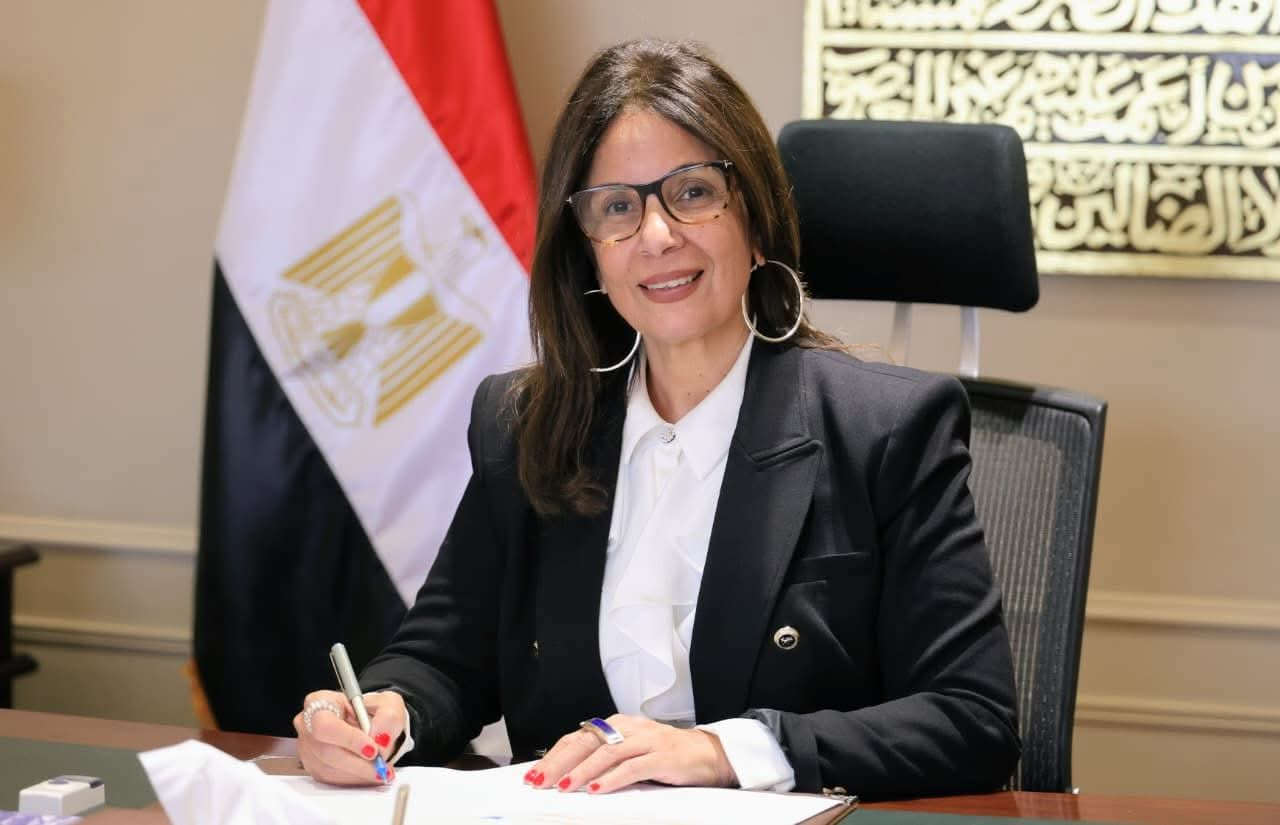
Culture Minister Jehan Zaki said the initiative is designed to reflect Egypt’s distinctive cultural identity while reaching citizens across all regions and social groups.

“This year’s Ramadan program carries the features of Egypt’s unique identity and reflects the richness of its heritage and the diversity of contemporary creativity,” Zaki said in a ministry statement, emphasizing that activities will extend beyond Cairo to governorates nationwide, including border regions and newly developed housing communities.
679 Flagship Events From Culture Palaces Authority
At the heart of the program is the General Authority for Cultural Palaces, which will stage 679 major cultural and artistic events across eight central sites in Cairo and the provinces as part of its “Ramadan Cultural and Artistic Nights.”
Programming includes poetry salons, heritage storytelling, book discussions, children’s workshops and musical performances. Signature segments such as “Wahet Al-Shu‘ara” (Poets’ Oasis), “Rawi Min Baladna” (A Storyteller From Our Town) — spotlighting performances of the Hilali epic — and the “Cultural Café” will feature writers, critics and performers from across the country.
The authority will also organize exhibitions of new publications, handicrafts fairs, and daily cultural competitions for children, alongside programming tailored for people with disabilities, reinforcing what officials described as a commitment to cultural inclusion.
Regional and Community Outreach
Events will unfold across Egypt’s cultural regions, from Alexandria and the Nile Delta to Upper Egypt, the Red Sea coast and North Sinai. Performances, religious chanting, Arabic music concerts and heritage arts shows will be staged in public gardens, cultural centers and newly developed “safe housing” districts built to replace informal settlements.
Officials said the programming in border governorates and alternative housing areas is intended to broaden cultural access and strengthen social cohesion.
Supreme Council, Opera and Theatrical Programming
The Supreme Council of Culture will contribute 262 events under the theme “Ramadan… Light and Creativity,” including lectures, heritage seminars, poetry evenings and online discussions exploring Ramadan traditions across the Arab world.
The Cairo Opera House will host a parallel lineup of spiritual concerts, Arabic music performances and international collaborations on its various stages, running from late February through early March. Outdoor concerts, Sufi chanting nights and youth ensemble performances are planned as part of the opera’s Ramadan season.
Meanwhile, the Theater Sector will revive its popular “Hal Helalak” program, blending patriotic commemorations with musical performances and children’s activities. The Fine Arts and Folk Performance troupes will stage circus shows, operettas and heritage dance productions throughout the month.
Books, Film and Heritage
The Egyptian General Book Organization will organize the Faisal Ramadan Book Fair and offer nationwide discounts on publications, alongside cultural programming for children and families.
The National Library and Archives of Egypt plans exhibitions on Ramadan traditions and rare musical recordings tied to the 10th of Ramadan — marking the anniversary of Egypt’s 1973 military crossing — as well as workshops on manuscript preservation and heritage awareness.
The National Cinema Center will present weekly screenings of documentary and heritage films, including productions highlighting traditional crafts, historic mosques and prominent Egyptian artists. A dedicated children’s cinema club and a women’s cinema forum will also run during the month.
Emphasis on Identity and Access
Officials say the breadth of the program — spanning music, literature, visual arts, heritage preservation and children’s programming — reflects a strategic effort to reinforce cultural identity while expanding access beyond traditional urban centers.
By pairing large-scale flagship events with grassroots workshops and regional outreach, the ministry aims to transform Ramadan into what Zaki described as “a living cultural space” — one that blends celebration, reflection and artistic expression.