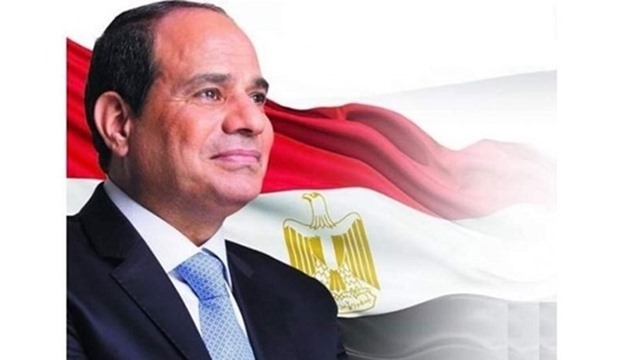

Reflecting Egypt’s commitment to better working conditions, President Abdel Fattah El-Sisi has officially endorsed Labor Law No. 14 of 2025. The legislation, which replaces the nearly two-decade-old Labor Law No. 12 of 2003, introduces sweeping reforms aimed at protecting workers’ rights, promoting gender equity, and creating a more competitive and transparent labor market. The new law will come into force on September 1, 2025, with new labor courts set to begin operating from October 1.
The legislation is a cornerstone of Egypt’s Vision 2030 and aligns with the government’s broader digital transformation agenda. It offers a modern framework for labor relations that balances employee protections with employer responsibilities, paving the way for greater job security, productivity, and social inclusion.

One of the law’s most prominent features is its ban on arbitrary dismissals and the invalidation of pre-signed resignation forms—a long-standing practice that left workers vulnerable to exploitation. Under the new rules, resignations must now be voluntarily submitted and ratified by labor authorities. The law also standardizes severance compensation, granting employees two months’ salary for every year of service in cases of unfair dismissal, and one month’s salary per year for fixed-term contracts terminated after five years.
The law further enshrines protections against workplace harassment, bullying, and physical or psychological abuse, marking a critical step in ensuring safe and respectful work environments. It also expands women’s labor rights, including four months of paid maternity leave, limits on overtime during pregnancy, and guarantees of job reinstatement following maternity leave. Additionally, mothers working in organizations with over 50 employees are now entitled to two years of unpaid childcare leave. For the first time, paternity leave has been introduced, allowing fathers one day off per child, up to three times.
Recognizing evolving employment models, the new legislation officially acknowledges remote work, part-time employment, flexible hours, and job sharing. This modernization reflects the government’s recognition of post-pandemic work trends and supports more inclusive participation in the labor force—especially for women, youth, and persons with disabilities.
To address Egypt’s high labor dispute backlog, the law introduces specialized labor courts designed to resolve employment conflicts within 90 days.
Employers, under the new law, are now obligated to maintain detailed employment records, submit annual employee data to the Ministry of Manpower, and contribute to a national workforce training fund. These measures aim to enhance regulatory oversight while supporting upskilling and workforce development.
Importantly, the law extends protections to informal workers, gig economy participants, and persons with disabilities, reflecting a more inclusive approach to labor regulation. By institutionalizing rights and benefits for marginalized groups, the legislation takes a decisive step toward equity and social protection.
Business leaders have welcomed the reforms as a positive signal for investment and economic growth. Legal experts highlight that clearer termination rules, formalized work structures, and improved dispute resolution mechanisms will help create a more predictable and investor-friendly employment environment.
As Egypt approaches the law’s implementation date, the Ministry of Manpower is preparing a nationwide awareness campaign targeting both employers and employees. The campaign will include workshops, toolkits, and guidance materials to ensure smooth adoption across sectors.
Ultimately, Labor Law No. 14 of 2025 represents a new era for Egypt’s labor market—one rooted in dignity, fairness, and modernization. It reinforces the role of the state as a guarantor of rights while empowering the private sector to thrive within a robust and transparent regulatory framework.