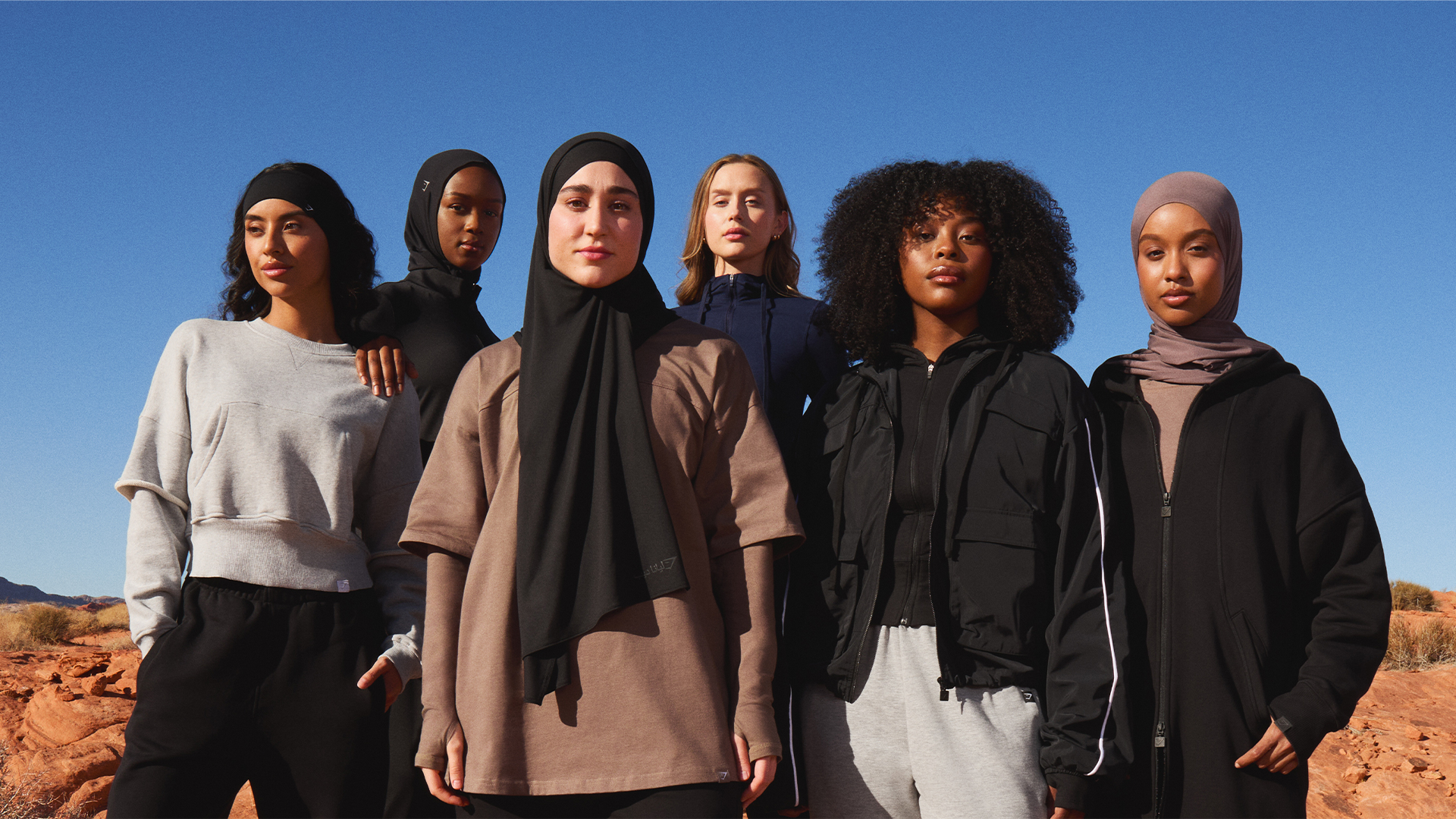

While activewear has become a global fashion staple, a new study from Edith Cowan University (ECU) suggests this trend may be a double-edged sword. Led by psychology researcher Dr. Ross Hollett, the study surveyed over 800 women and discovered that while athleisure can encourage physical activity, it also intensifies pressures surrounding body image. Interestingly, the research found that activewear is used for actual exercise less than half the time, with most women wearing it for daily errands like shopping, studying, and socializing.
Dr. Hollett points out that modern gyms have evolved from simple fitness centers into high-visibility social hubs where fashion norms are strictly observed. This shift has turned clothing choices into sensitive social markers, often exposing women to higher levels of public judgment. The findings revealed a striking paradox: women who are highly engaged with activewear—frequently buying it or following fitness brands online—do tend to exercise more. However, this increased activity does not translate into higher self-confidence or greater satisfaction with their bodies. In fact, about one-third of the participants reported feeling embarrassed or uncomfortable in their activewear at least half the time they wore it.

The study further linked the athleisure trend to frequent body comparisons and the heavy influence of media “ideals” regarding the perfect, toned physique. Dr. Hollett explains that being physically active does not automatically mean a woman is happy with her appearance. The core issue isn’t the clothing itself, but a pervasive fitness culture that drives women to constantly evaluate and critique their own looks. These findings raise critical questions about the psychological cost of the activewear boom, highlighting the need to balance the empowerment of fitness with true mental well-being.