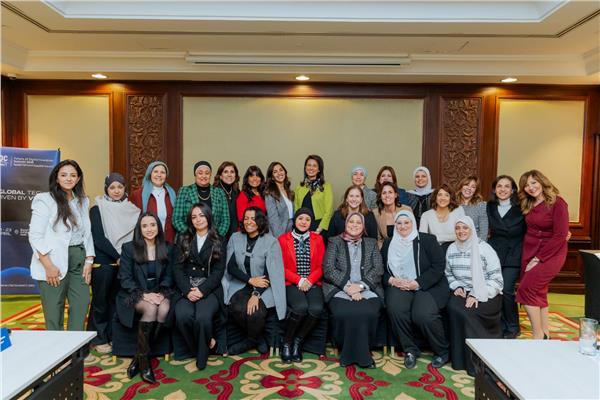

Egypt’s National Council for Women (NCW) has reaffirmed its commitment to advancing women’s participation in digital transformation and cybersecurity during preparatory activities for the eighth edition of the Future of Digital Countries (FDC) Summit 2026, a leading regional platform for the digital industry.
The summit is scheduled to take place from April 21 to 23, 2026, bringing together policymakers, technology leaders, and international stakeholders to discuss digital innovation, cybersecurity, and sustainable digital economies across the region.

Women in Digital Transformation and Cybersecurity
Dr. Marian Azar, NCW board member and Chair of the Scientific Research, Technology, and Cybersecurity Committee, led a specialized roundtable discussion focused on women’s role in digital transformation and cybersecurity in Egypt and Africa.
The session included Member of Parliament Maha Abdel Nasser, Marwa Alam El-Din, Head of UN Women Egypt, and a wide range of experts from the telecommunications, petroleum, banking, and IT sectors. Representatives from the National Telecom Regulatory Authority (NTRA), the Egyptian National Computer Emergency Readiness Team (EG-CERT), global cybersecurity firms, universities, and research centers also participated.
The high-level participation reflects growing recognition that gender inclusion in cybersecurity and technology sectors is critical for sustainable digital development.
Structural Barriers Facing Women in Tech
During the session, Dr. Azar emphasized that the attrition of women in cybersecurity and digital sectors does not stem from lack of competence, but rather from structural gaps in recruitment, mentorship, and career advancement opportunities.
She noted that women are most likely to leave the field during transitional stages — particularly between graduation and early career entry — due to limited access to structured employment pathways.
“Linking training programs directly to real employment opportunities is key to increasing women’s retention in cybersecurity and digital careers,” Azar stated.
Integrating Cybersecurity into Education
A key recommendation emerging from the discussion was the integration of cybersecurity education into secondary, vocational, and technical curricula. Early digital security education, participants argued, represents a preventative investment in national security and workforce resilience.
With cyber threats becoming increasingly sophisticated, developing a digitally literate generation equipped with cybersecurity skills is viewed as essential to Egypt’s broader digital transformation strategy.
Supporting Women Entrepreneurs in Cybersecurity
The roundtable also addressed challenges facing women-led cybersecurity startups, particularly difficulties in securing their first clients and accessing early-stage markets.
Experts stressed that strategic public-private partnerships could play a pivotal role in enabling women entrepreneurs to scale their cybersecurity solutions and compete regionally and internationally.
Toward an African Framework for Women in Cybersecurity
In a forward-looking proposal, Dr. Azar called for launching an African framework led by Egypt to support women in cybersecurity, including:
- Mutual recognition of professional certifications
- Cross-border digital projects
- Joint cybersecurity simulation exercises
- Policy coordination across African states
Participants also emphasized strengthening the role of EG-CERT as a regional hub for capacity building and digital cooperation.
One of the key outcomes of the session was the recommendation to establish an African Platform for Women in Cybersecurity, alongside the formation of a dedicated committee to oversee implementation efforts.
FDC Summit 2026: Driving Inclusive Digital Transformation
The roundtable is part of a series of preparatory meetings leading up to the FDC Summit 2026. These sessions aim to generate actionable recommendations and partnership models that will be incorporated into the summit’s official agenda.
The event’s broader objective is to advance a vision of secure, inclusive, and sustainable digital transformation, with gender equality positioned as a strategic pillar rather than a peripheral issue.