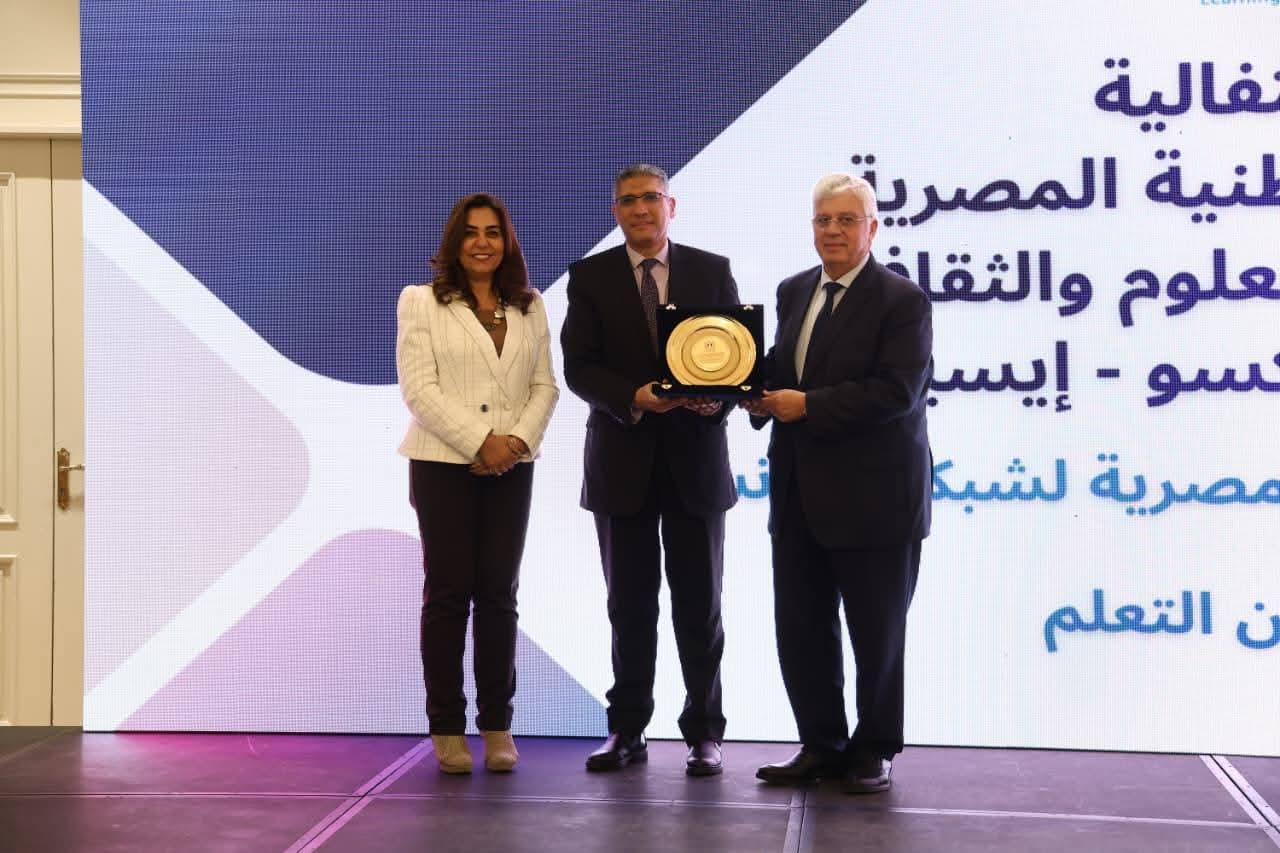

Egypt has strengthened its global standing in lifelong learning and sustainable urban development with the addition of Cairo, Mansoura, and Shebin El-Kom to the UNESCO Global Network of Learning Cities (GNLC) for 2025, senior government officials announced during a high-level national celebration.
The event was jointly attended by Dr. Ayman Ashour, Egypt’s Minister of Higher Education and Scientific Research and Chairman of the Egyptian National Commission for UNESCO, and Dr. Manal Awad, Minister of Local Development and Acting Minister of Environment, alongside several governors and senior officials.

With the latest additions, Egypt now has 10 cities officially recognized by UNESCO as Learning Cities, reinforcing its position as a regional leader in inclusive education, innovation, and community-based development.
Rigorous Evaluation and National Coordination
Speaking at the ceremony, Minister Ayman Ashour emphasized that the achievement followed a highly competitive and meticulous evaluation process, noting that the Egyptian National Commission for UNESCO reviewed applications from 15 cities nationwide, ultimately selecting the three strongest dossiers.
“Egypt has become a regional model in promoting inclusive learning and embedding a culture of innovation and knowledge within local communities,” Ashour said. “This success reflects the active efforts of our governorates and the professional national evaluation carried out by the Egyptian National Commission for UNESCO.”
Ashour stressed that the initiative aligns with Egypt Vision 2030, particularly its focus on lifelong learning, social empowerment, innovation, and improved quality of life through sustainable development.
Egypt’s 10 Learning Cities
UNESCO’s endorsement brings Egypt’s total number of Learning Cities to ten: Giza, Aswan, Damietta, Fayoum, Sharqia, Zefta, Alexandria, Cairo, Mansoura, and Shebin El-Kom.
According to Ashour, this milestone places Egypt among the most active countries in the region in translating educational policy into locally driven, globally recognized models.
“We are proud that Egypt now stands as a benchmark for comprehensive learning strategies that connect education with economic growth, social inclusion, and innovation,” he added.
National Network and Digital Platform Announced
Minister of Local Development Manal Awad announced a major policy step to institutionalize this momentum: the creation of a National Egyptian Network of Learning Cities, alongside a digital platform to support coordination, planning, and knowledge-sharing among governorates.
“The inclusion of 10 Egyptian cities in the UNESCO Learning Cities Network is international recognition of Egypt’s commitment to localized education policies backed by comprehensive development,” Awad said.
She explained that the new national network will:
- Facilitate exchange of best practices among governorates
- Strengthen local capacity to manage lifelong learning programs
- Support cities seeking future UNESCO membership
- Integrate education with employment, digital skills, and social inclusion
- Enable joint planning through a centralized digital platform
Governors Highlight Local Impact
Governors of Cairo, Dakahlia, and Monufia underscored that joining the UNESCO network is more than symbolic recognition.
Cairo Governor Dr. Ibrahim Saber said the capital’s inclusion reflects national directives placing human development at the core of Egypt’s modernization strategy, transforming cities into open learning environments integrating universities, research centers, civil society, and local communities.
Dakahlia Governor Major General Tarek Marzouk described Mansoura’s selection as validation of Egypt’s long-term investment in lifelong learning and innovation, while Monufia Governor praised Shebin El-Kom’s strong educational, cultural, and human capital base.
UNESCO Global Context
The UNESCO Global Network of Learning Cities now includes 425 cities across 91 countries, following the addition of 72 new cities for 2025. The network supports lifelong learning initiatives benefiting nearly 500 million people worldwide.
Egypt’s growing presence within the network highlights its strategy of linking education, urban planning, labor markets, and social development under a unified national vision.
A Strategic Signal
Education experts say the announcement signals Egypt’s intent to move beyond centralized policy frameworks toward place-based learning ecosystems that empower local governments, communities, and institutions.
“Through sustained collaboration with UNESCO and our local partners, we aim to ensure that learning remains a lifelong right and a cornerstone of sustainable development for every Egyptian city.”, Ashour concluded.