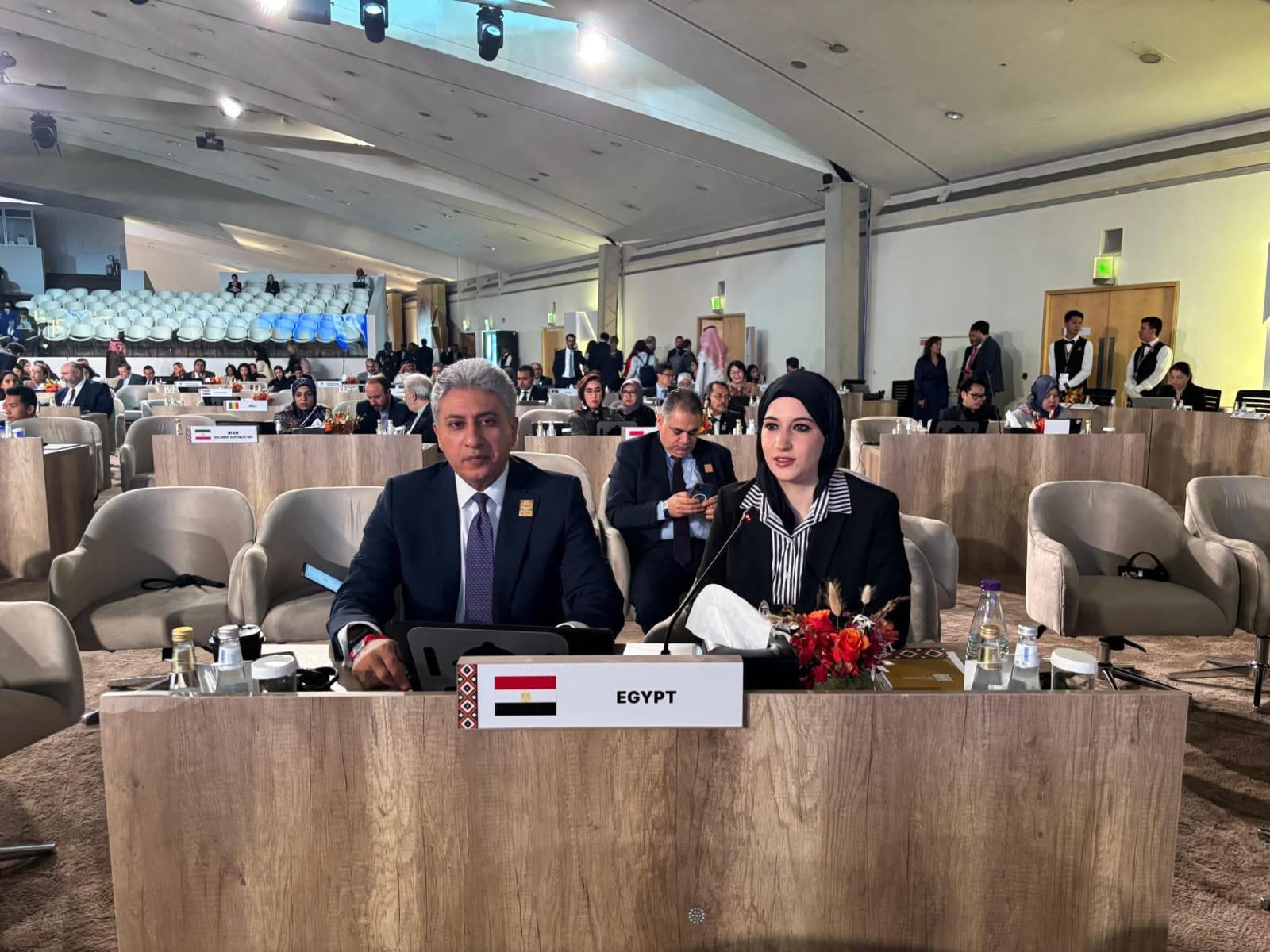

Egypt’s Minister of Tourism and Antiquities, Sherif Fathi, led the Egyptian delegation to the third plenary session of the 26th General Assembly of the United Nations Tourism Organization (UN Tourism), hosted this week in Riyadh, Saudi Arabia.
The high-level session, held under the theme “The Impact of Artificial Intelligence and Innovation in Shaping Global Tourism,” explored how cutting-edge technologies are transforming the tourism landscape worldwide. Representing Egypt, Deputy Minister Yomna El-Bahar delivered a keynote address highlighting the country’s vision for integrating artificial intelligence (AI) into the tourism sector.

AI and the Future of Tourism: Egypt’s Perspective
In her remarks, El-Bahar expressed Egypt’s gratitude to Saudi Arabia for its warm hospitality and exceptional organization of the Assembly, as well as for hosting the celebration marking the 50th anniversary of the UN Tourism Organization. She also congratulated Sheikha Al-Nuways on her election as the organization’s new Secretary-General, extending Egypt’s best wishes for her success in strengthening global tourism cooperation.
El-Bahar emphasized that artificial intelligence is redefining the global tourism scene, from improving destination management to influencing travelers’ decision-making and enhancing the overall visitor experience.
“AI has become a cornerstone for building a more efficient and sustainable tourism ecosystem,” she noted, “supporting everything from personalized trip planning and smart travel assistants to predictive analytics that manage visitor flows.”
She further explained that AI-driven tools are revolutionizing how tourists interact with destinations — through predictive booking systems, multilingual virtual assistants, and smart recommendation engines that deliver tailor-made travel programs. These technologies, she said, also play a crucial role in protecting and managing heritage sites across the world.
Balancing Innovation with Ethics and Inclusion
The Deputy Minister underlined the importance of AI governance in tourism to ensure a fair balance between innovation, ethics, privacy, and accountability. She called for clear policy frameworks for data use and for empowering tourism professionals to adapt to digital transformation.
According to El-Bahar, Egypt’s approach to responsible AI in tourism rests on four key pillars:
- Data Governance – ensuring security, privacy, and ethical data use;
- Accountability – defining responsibility for AI-driven decisions that affect travelers and local communities;
- Inclusivity – ensuring small enterprises and emerging destinations are not left behind; and
- Sustainability – aligning AI systems with long-term sustainable tourism goals.
“The future of tourism will not be defined solely by technological capacity,” El-Bahar concluded, “but by the responsibility with which it is managed. We must build an international framework grounded in transparency, cooperation, and human values to ensure technology strengthens the cultural and human connections that give travel its true meaning.”
Egypt’s Delegation and Regional Collaboration
Joining Minister Sherif Fathi and Deputy Minister Yomna El-Bahar at the session were Ambassador Ihab Abu Sari’, Egypt’s Ambassador to Saudi Arabia; Ambassador Ihab Badawy, Egypt’s Ambassador to Spain; Engز Ahmed Youssef, CEO of the Egyptian Tourism Promotion Authority; and Rana Gouhar, Advisor to the Minister for Communication and International Relations.
The participation underscores Egypt’s growing role in the global tourism dialogue, particularly in areas of digital transformation, sustainability, and innovation-driven development.
As the world’s tourism leaders gathered in Riyadh, Egypt reaffirmed its commitment to harnessing technology not only to enhance visitor experiences but also to preserve cultural heritage and foster sustainable economic growth across the region.