
The Financial Action Task Force (FATF) has officially recognized Egypt’s experience as a global best practice in balancing financial inclusion with robust compliance to anti-money laundering (AML) and counter-terrorism financing (CFT) standards, according to its latest guidance released in June 2025.
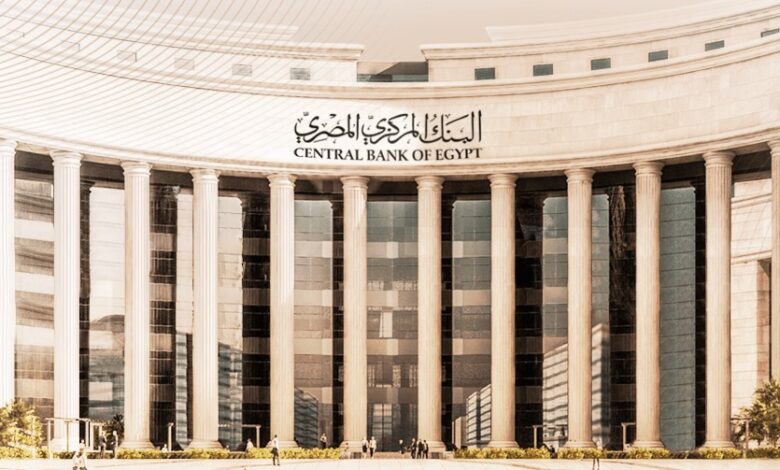
This international acknowledgment underscores Egypt’s leadership role—particularly that of the Central Bank of Egypt (CBE)—in shaping effective, inclusive financial systems across the Global South. The guidance highlights Egypt’s ability to align regulatory oversight with expanding access to formal financial services, especially for underserved populations.

Egypt’s Model: Inclusive, Secure, and Regulatory-Compliant
Headquartered in Paris, FATF sets the global standards for AML/CFT efforts and includes 40 member countries. Its updated guidance referenced Egypt’s comprehensive approach as an example for other nations to emulate when promoting inclusive finance while maintaining the integrity of the financial system.
The report highlights coordinated efforts between the CBE and Egypt’s Money Laundering and Terrorist Financing Combating Unit, which jointly implemented risk-based policies that enable financial access while preserving regulatory safeguards. The framework enables wider access to formal banking services without compromising on due diligence, customer verification, or transaction monitoring.
CBE Governor: “A Testament to Our Strategic Vision”
CBE Governor Hassan Abdalla welcomed the recognition, calling it a clear validation of Egypt’s national strategic vision to balance financial safety with social equity. He credited the milestone to the collaborative efforts of the Central Bank, AML/CFT authorities, and relevant national institutions.
Abdalla affirmed that the CBE remains committed to strengthening inclusive finance as a cornerstone of Egypt’s broader economic development agenda, aligned with international regulatory frameworks and digital transformation goals.
Key Regulatory Reforms Driving FATF Recognition
The FATF report spotlights several critical reforms introduced by the CBE in collaboration with Egypt’s AML/CFT unit, including:
- Simplified Know Your Customer (KYC) procedures for individuals, microenterprises, and youth starting at age 15
- Use of National ID cards for account opening by artisans, freelancers, and informal workers
- Authorization of banking agents to verify customer identity, helping extend services to remote communities
- Tailored financial products for women, youth, and persons with disabilities
These measures aim to ensure equitable access to banking while maintaining effective controls against illicit financial activity.
Pushing Digital Financial Inclusion
The CBE has also made digital financial inclusion a priority, focusing on:
- Expanding use of e-wallets and prepaid cards
- Licensing and oversight of digital-only banks
- Building robust financial infrastructure to reach underserved and rural areas
- Leveraging Egypt’s credit bureau (I-Score) and the Credit Risk Guarantee Company to help SMEs access affordable financing
Egypt’s Global Role in FATF Consultations
Notably, Egypt—through the Central Bank and AML/CFT Unit—played an advisory role in shaping the updated FATF guidance. The document was developed in consultation with multiple international stakeholders, reflecting Egypt’s growing influence in global financial governance.
The guidance encourages countries to adopt a risk-based approach to AML/CFT, tailored to national contexts, while expanding financial access responsibly—principles that underpin Egypt’s regulatory model.
A Blueprint for Emerging Economies
As emerging markets seek to expand financial access without increasing systemic risk, Egypt’s approach offers a replicable roadmap. With its innovative regulatory tools and digital strategies, Egypt is helping to redefine inclusive finance in line with global standards—while reinforcing its status as a regional hub for financial innovation and regulatory leadership.