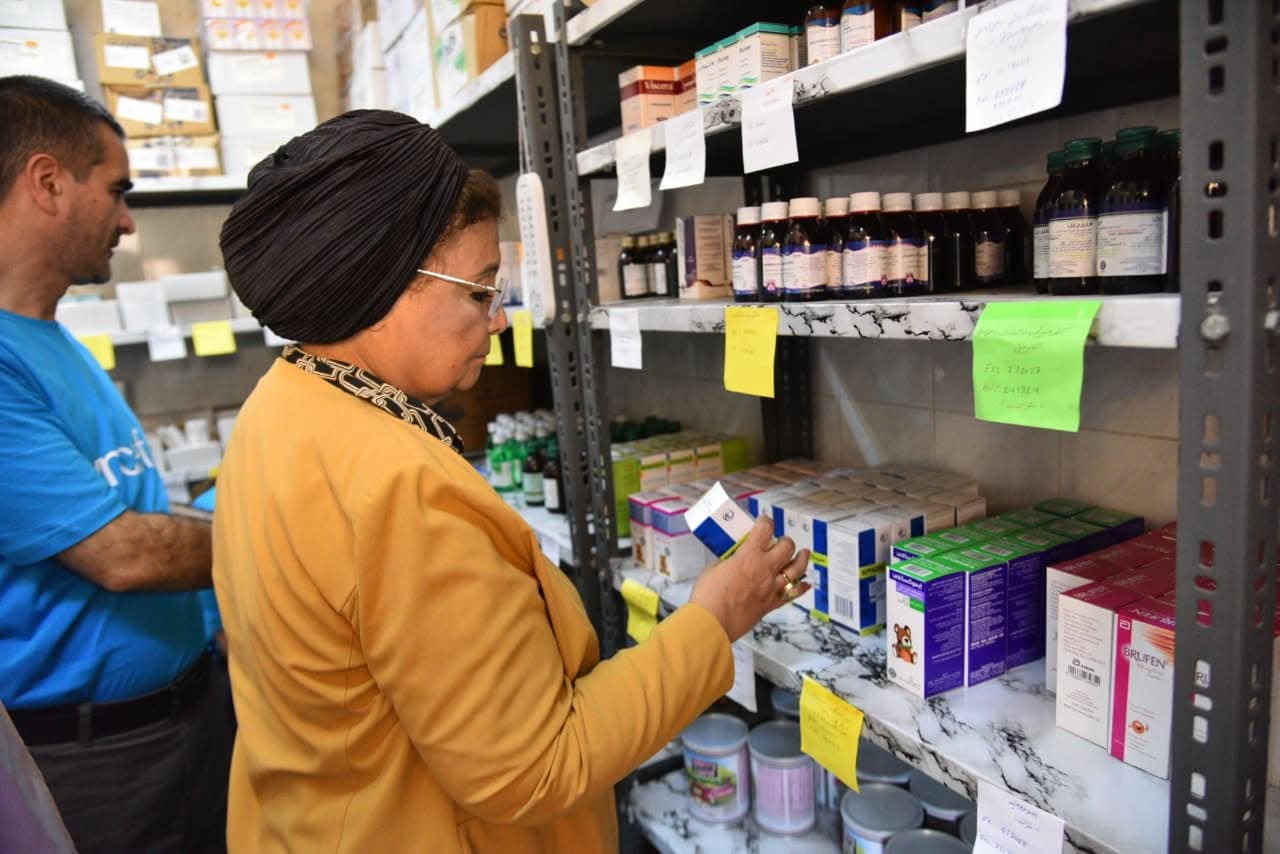

In a concerted effort to elevate the quality of healthcare services in underserved areas, Egypt’s Deputy Minister of Health and Population, Dr. Abla El-Alfi, conducted a field inspection of several medical facilities in North Sinai. The visit was made in alignment with directives from Dr. Khaled Abdel Ghaffar, Deputy Prime Minister for Human Development and Minister of Health and Population.
Accompanied by a high-level delegation from UNICEF Egypt, including Dr. Maureen Lewis, Head of Health Programs, and Dr. Mutribijon Behroudinov, Health Specialist, the tour focused on improving maternal and child health, family planning services, and the overall healthcare delivery system in one of Egypt’s most geographically and economically marginalized regions.

Focus on Quality and Accessibility
The visit began at El-Masaeed Family Health Center, where Dr. El-Alfi inspected the family counseling room and issued directives to enhance the patient journey and ensure clarity in service pathways. The center currently serves approximately 100 to 150 patients daily, underscoring the need for efficiency and precision in service delivery.
“Accurate documentation, scheduled follow-ups, and targeted services for women aged 15 to 49 are essential to maximizing impact and ensuring continuity of care,” Dr. El-Alfi said.
She emphasized the importance of raising awareness around long-acting contraceptive methods and countering misinformation, calling for better collaboration between medical teams and counseling units to build trust with women beneficiaries.
Improving Maternal and Child Health
The deputy minister reviewed antenatal care registers, particularly high-risk pregnancies, instructing teams to follow precise dosage protocols for medications such as iron supplements based on body weight—a critical measure for improving maternal health outcomes.
At the vaccination clinic, she also monitored height and weight screening procedures for children, reinforcing the importance of accurate growth monitoring. In the family planning unit, she ensured stock levels of contraceptives were properly managed and that community education on their safety and efficacy was a priority.
During the visit, Dr. El-Alfi engaged directly with female patients, highlighting the importance of girls’ education and delaying early marriage as key strategies for empowering women and improving family health.
Strengthening Primary Care Infrastructure
The visit continued at the Primary Health Care Center in central Arish, where Dr. El-Alfi recommended allocating an OB/GYN specialist two days a week in every local clinic to ease patient loads and provide consistent services.
She also advised against duplicating height and weight assessments across departments and called for the relocation of audiology units to quieter environments to improve diagnostic accuracy. Additionally, she emphasized the need for seamless referral systems to hospitals for cases requiring specialized care.
Addressing Data Accuracy and Civil Registration
Dr. El-Alfi inspected the local Civil Registry Office, emphasizing the need for comprehensive and accurate documentation of birth notifications, especially in cases of home births. She called for thorough medical assessments to ensure the well-being of newborns and mothers.
A Model for Cross-Sectoral Collaboration
Spokesperson Dr. Hossam Abdel Ghaffar noted that the visit reflects the ministry’s strategy to combine on-the-ground oversight with international partnerships to uplift healthcare services in border governorates. The integration of support from UNICEF aims to provide a sustainable, evidence-based approach to improving public health, particularly for vulnerable populations.
The visit reinforces Egypt’s commitment to equitable healthcare, ensuring that no community—regardless of geography—is left behind in its national health development plans.