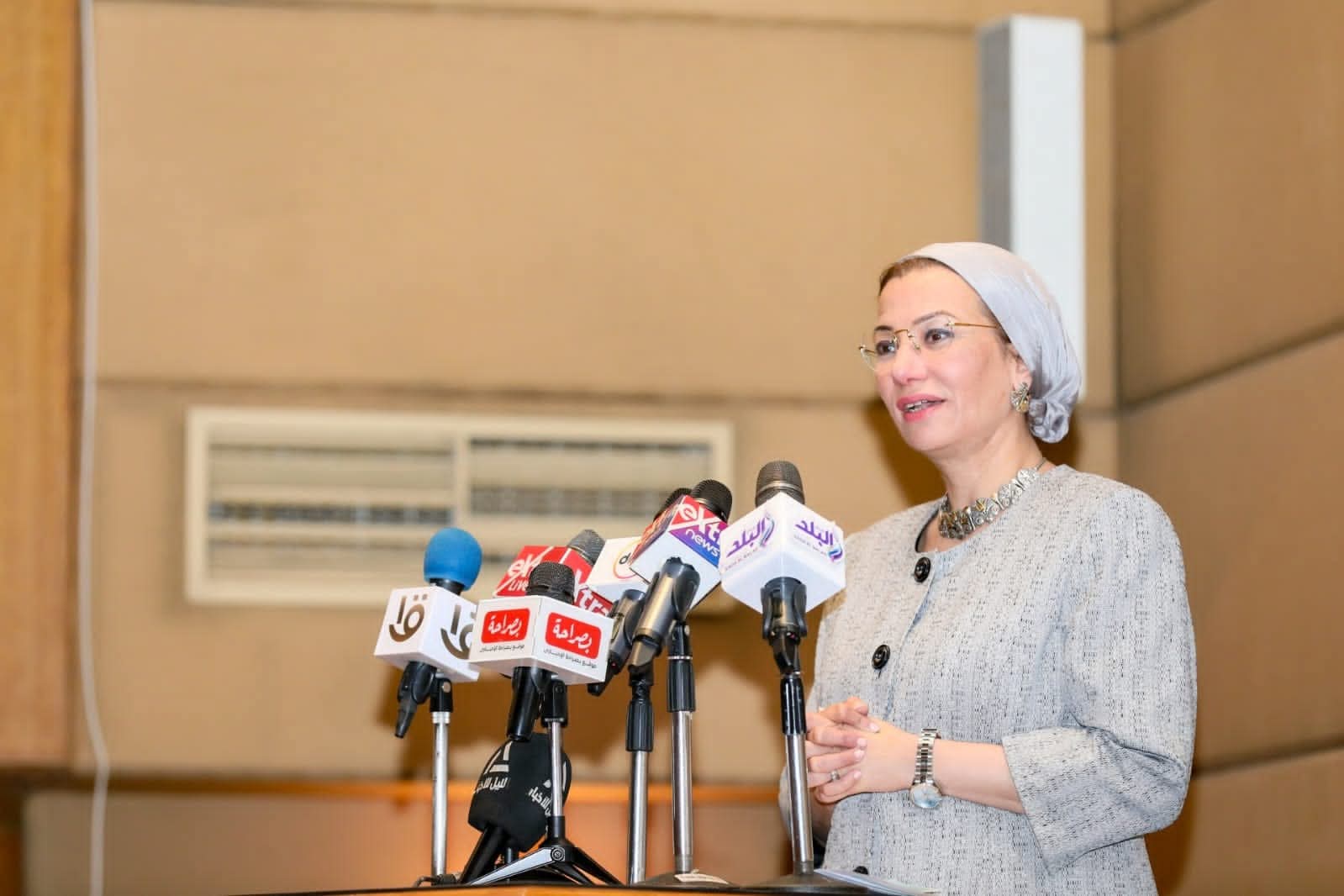

In a landmark initiative to address the growing environmental crisis posed by single-use plastics, Egypt’s Minister of Environment, Dr. Yasmine Fouad, unveiled the national “Qalleha” (Reduce It) campaign on World Environment Day 2025. Launched under the theme “Overcoming Plastic Pollution,” the campaign aims to raise awareness about the environmental and health risks of single-use plastic bags while promoting sustainable alternatives. The initiative, a collaborative effort with the United Nations Industrial Development Organization (UNIDO) and supported by Japan, marks a significant step in Egypt’s ongoing efforts to curb plastic pollution.

The launch event, held in Cairo, was attended by prominent figures, including Japan’s Ambassador to Egypt, Fumiwo Iwai, UNIDO’s Regional Representative, Dr. Patrick Gilabert, and key Egyptian stakeholders such as Eng. Sherif El-Gabaly, Chairman of the Chemical Industries Chamber at the Federation of Egyptian Industries, and Dr. Khaled Abu El-Makarem, Chairman of the Plastics Export Council. Representatives from parliament, civil society, the private sector, and media also joined, underscoring the campaign’s broad support.
Presidential Mandate for Environmental Progress
In her keynote address, Dr. Fouad expressed gratitude to President Abdel Fattah El-Sisi for his unwavering support for environmental initiatives, crediting his leadership for unprecedented advancements in Egypt’s environmental policies. She highlighted the National Strategy for Reducing Single-Use Plastic Bags, endorsed by the President, as a cornerstone of Egypt’s fight against plastic pollution. This strategy has positioned Egypt as a leader in environmental sustainability on national, African, and global stages.
Dr. Fouad outlined Egypt’s phased approach to reducing single-use plastics, emphasizing a just transition to greener practices. “Plastic is a vital raw material, but our goal is to gradually reduce its use while fostering sustainable alternatives that support industry,” she said. The minister detailed Egypt’s journey, which began with the development of national standards for plastic bags and has progressed through collaboration with the industrial sector to ensure environmentally friendly production.
Global and Regional Imperative
The “Qalleha” campaign aligns with global efforts to address plastic pollution, particularly as the international community nears a legally binding agreement to combat plastic waste. Dr. Fouad noted that countries like Kenya and Rwanda have banned single-use plastics outright, while the European Union has imposed fines to curb their use. Egypt’s approach, however, balances environmental goals with economic considerations, aiming to reduce the import of raw materials, lower production costs, and promote reusable bags that benefit both manufacturers and consumers.
The minister underscored the ecological toll of plastic pollution, citing its devastating impact on marine life and terrestrial ecosystems. She recounted a striking example from Qal’aan, where plastic waste was found in the stomachs of goats, highlighting the urgent need for action. By promoting eco-friendly bags and reducing plastic consumption, Egypt aims to protect biodiversity and public health while fostering a circular economy.
A Collaborative Effort for Sustainability
The “Qalleha” campaign is a testament to Egypt’s collaborative approach to environmental challenges. Dr. Fouad praised the contributions of UNIDO, Japan, the World Bank, and national stakeholders, including the media, parliamentarians, and civil society organizations. She also acknowledged the support of Prime Minister Mostafa Madbouly, whose oversight has been instrumental in advancing the initiative.
Japan’s Ambassador, Fumiwo Iwai, reaffirmed his country’s commitment to Egypt’s environmental goals, noting that the partnership, rooted in a 2019 agreement with President El-Sisi, aims to establish Egypt as a hub for environmental excellence in Africa. “We hope this campaign will serve as a model for sustainable communities across the continent,” Iwai said, highlighting Japan’s technical and financial support for small and medium enterprises and public awareness efforts.
Dr. Patrick Gilabert of UNIDO echoed these sentiments, describing the campaign as a milestone in the organization’s collaboration with Egypt. He noted that UNIDO supports 23 sustainability projects in Egypt, valued at $3.5 billion, with an additional $4.6 billion in future initiatives aligned with Egypt’s Vision 2030. “This campaign is a tangible step toward reducing excessive plastic use and promoting sustainable industrial practices,” Gilabert said.
Path to a Greener Future
The launch event featured short films highlighting the health and environmental hazards of single-use plastics and the objectives of the “Qalleha” campaign. A panel discussion explored ways to promote circular economy practices and regulatory measures within the plastic value chain, reinforcing Egypt’s commitment to systemic change.
The campaign is part of a broader project, “Promoting Circular Economy Practices in the Single-Use Plastic Value Chain,” funded by Japan and implemented by UNIDO. By encouraging the use of reusable alternatives, the initiative seeks to reduce carbon emissions, mitigate environmental pollution, and create new opportunities in green industries.