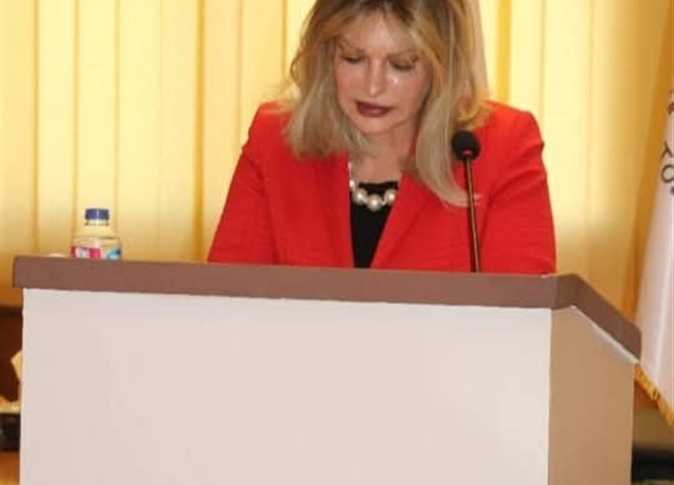

In a compelling address to the Indian Ocean Rim Association (IORA), Hala El Khatib, Executive Director of the Egyptian Tourism Federation, outlined Egypt’s strategic vision for tourism sector investment, positioning the country as a rising powerhouse in the global travel and hospitality industry.
Speaking on behalf of Egypt during a high-level training seminar attended by representatives from IORA member states, El Khatib’s lecture, titled “Hotel Investment in Egypt”, highlighted Egypt’s decade-long infrastructure transformation, ambitious investment climate reforms, and commitment to sustainable tourism. Egypt, a strategic partner in the IORA framework, seized the opportunity to share its roadmap for becoming one of the world’s leading tourism destinations by 2030.

The session was organized through close coordination between Egypt’s Ministry of Foreign Affairs and the Ministry of Tourism and Antiquities, emphasizing the country’s diplomatic and developmental alignment with regional partners.
A Decade of Transformation
El Khatib revealed that the Egyptian government has injected nearly $550 billion over the past ten years into a sweeping national infrastructure overhaul. This included the construction of 20 new cities, the most prominent being the New Administrative Capital, as well as the development of over 7,000 kilometers of new roads and vast upgrades in telecommunications and transport systems — all essential for stimulating both tourism and broader economic investment.
“The vision for tourism cannot exist in isolation,” El Khatib stated. “It’s interwoven with transport, digital infrastructure, and urban planning. We are building the environment that attracts global investors.”
Incentives and Reforms For Hospitality
One of the cornerstone initiatives El Khateeb discussed was Egypt’s robust package of fiscal and monetary reforms, including tax incentives, customs exemptions on equipment for hospitality projects, and simplified investment procedures. Notably, the government has earmarked $1 billion for subsidized loans specifically targeting tourism investors. The program is aimed at completing stalled hotel developments and launching new projects, as Egypt strives to meet its target of hosting 30 million tourists annually by 2030.
She also highlighted direct foreign investment as a growing component in Egypt’s tourism expansion, citing landmark ventures such as the Ras El Hekma project, a sprawling coastal development on the North Coast, strategically located three and a half hours by flight from Europe.
Strategic Location and Cultural Depth
In an effort to underscore Egypt’s unique competitive advantage, El Khateeb pointed to the proximity of major tourism and cultural hubs: Ras El Hekma lies only two and a half hours from the Giza Pyramids and the Grand Egyptian Museum, an hour from the Bibliotheca Alexandrina, and close to the Islamic and Khedival quarters of Cairo—areas that are increasingly prioritized for tourism development following the relocation of key government institutions to the New Administrative Capital.
“This is more than just geography,” she said. “It’s about connectivity between leisure, heritage, and modern infrastructure.”
Sustainability at the Forefront
El Khateeb emphasized that Egypt’s investment strategy is equally anchored in sustainable development. She noted that over 65,000 hotel rooms across the country have been awarded the internationally recognized Green Star Hotel certification, marking compliance with eco-friendly operational standards. In addition, Egypt has implemented the Green Fins program to regulate and elevate environmental standards for dive centers, many of which have now obtained ISO international safety certifications.
Safe Driving Training Center
The Egyptian Tourism Federation, under El Khateeb’s leadership, has played a pivotal role in talent development. Among its achievements is the establishment of the Safe Driving Training Center for tourism transportation and a series of partnerships with universities — including Helwan University’s Faculty of Tourism and Hotels — aimed at integrating academic training with practical industry experience.
She also spoke about ongoing collaborations with the Ministry of Education and Technical Education to reform and modernize tourism curricula in alignment with international service standards and visitor expectations.
A Unified Public–Private Vision for 2030
As Egypt eyes a doubling of its hospitality capacity over the next five years, El Khateeb noted that the private sector is a central partner in executing this vision. The Federation, she said, is prioritizing initiatives that improve the tourist experience, aligning with government and private sector ambitions to hit the milestone of 30 million annual visitors by the end of the decade.
“In Egypt, we are not just investing in buildings. We are investing in experiences, in people, in legacy,” El Khateeb concluded. “And we invite the world to be a part of that story.”