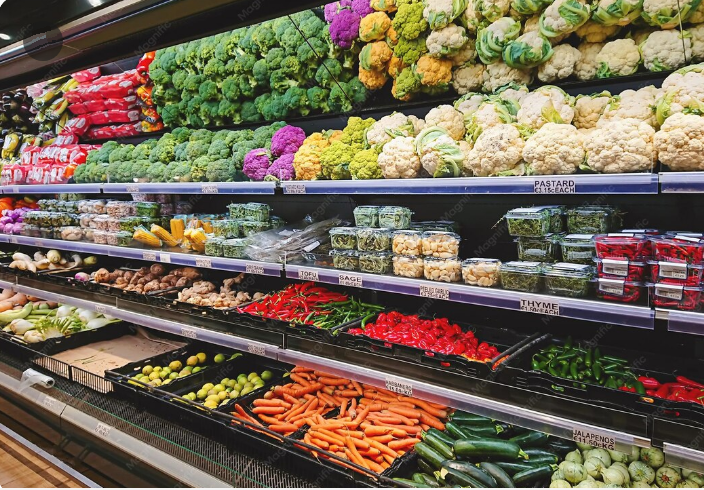

We have long been told that a diet rich in fruits and vegetables is our best defense against chronic disease. However, startling new research is challenging this conventional wisdom. A study from the USC Norris Comprehensive Cancer Center indicates that non-smokers under the age of 50 who strictly follow diets high in produce and whole grains may actually face a higher risk of lung cancer.
Researchers believe the culprit isn’t the plants themselves, but rather what is on them: pesticide residues. These chemicals, found in higher concentrations on non-organic produce, may represent a hidden environmental risk factor, particularly for those who consume large quantities of plant-based foods. This theory is further supported by the elevated rates of lung cancer observed among agricultural workers who deal directly with these pesticides.

The findings are especially relevant for women. The study notes that non-smoking women under 50 are more susceptible to lung cancer than men in the same age group. This vulnerability may be directly linked to dietary patterns, as women statistically consume more vegetables and fruits than their male counterparts.
Using the “Healthy Eating Index” to evaluate participants, researchers discovered that lung cancer patients in the study actually scored higher than the national average. These individuals were eating more leafy greens, legumes, and whole grains than the general population. While this sounds like a health success story, it highlights a potential paradox where “eating clean” might involve unintended exposure to toxins.
Despite these alarming results, the research team emphasizes that the link between pesticides and lung cancer requires further direct confirmation. Future studies will focus on measuring chemical levels specifically within the bodies of patients. For now, this discovery serves as a critical step in understanding why lung cancer is rising among young non-smokers and may eventually reshape public health policies regarding food safety and pesticide use.