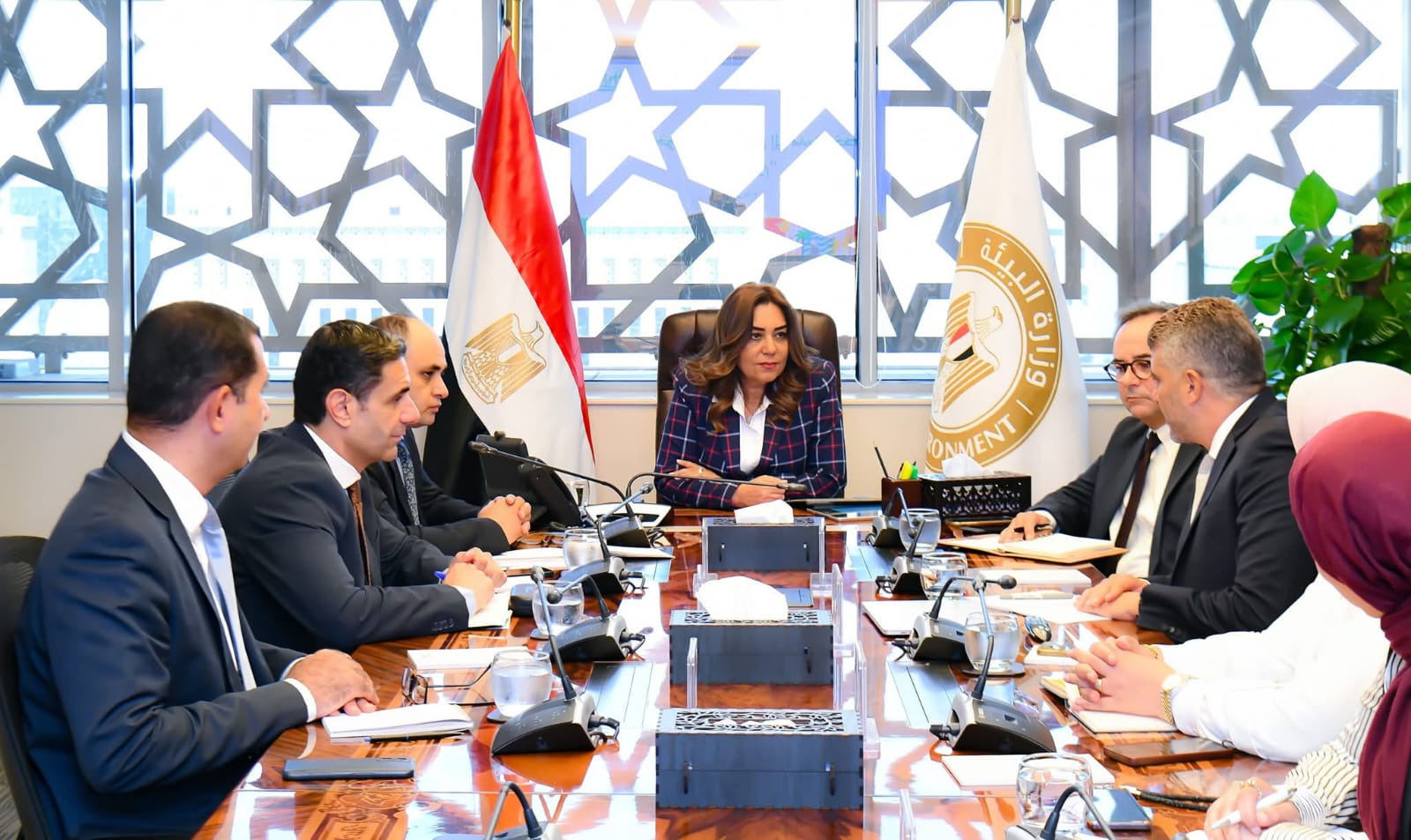

Egypt is charting a bold new trajectory in sustainable urban tourism with its ambitious Green Sharm initiative. Spearheaded by Dr. Yasmine Fouad, the Minister of Environment, and launched in May 2023 in partnership with the United Nations Development Programme (UNDP) and South Sinai Governorate—with financial backing from the Global Environment Facility (GEF)—the project is redefining Sharm El‑Sheikh as a pioneering eco-friendly destination in Egypt and the Arab world.
At its core, Green Sharm is structured around six strategic pillars: energy, transportation, water, waste management, biodiversity, and community empowerment. The aim is to seamlessly integrate environmental sustainability with social and economic growth.

Key Project Highlights
- Solar Energy & Efficiency: Central to the energy strategy is the Nabq solar plant, a 20-megawatt facility featuring sun‑tracking photovoltaic panels that optimize power output by roughly 15%, backed by approximately $12 million in investments.
- Green Hotel Practices: Hotels bearing the Green Seal have embraced eco-innovations—phasing out single-use plastic water bottles in favor of refillable ones, implementing LED lighting, and installing solar systems. These upgrades have eliminated around 20 million plastic bottles annually.
- Sustainable Transport: The initiative promotes electric mobility, introducing electric buses, cars, and bicycles within hotels. Infrastructure includes charging stations and optimized routes, as well as a bike-sharing model.
- Smart Water Management: Green Sharm focuses on water conservation through enhanced desalination and treatment efficiency, eco-friendly handling of saline byproducts, and reuse of sludge for environmentally responsible disposal.
- Waste-to-Resource Systems: Waste management systems now include source separation, updated collection vehicle fleets, and the conversion of agricultural waste into fertilizer used by local hotels—helping to build a localized circular economy.
- Biodiversity Preservation: The project protects sensitive ecosystems with strategies such as hydroponic agriculture, planting native, drought-resistant species, and reducing disturbances that harm migratory birds due to contaminated water.
- Community Integration: Green Sharm actively involves local residents—especially those in areas adjacent to reserves—in eco-tourism development, sustainable crafts, and livelihood-enhancing projects that preserve cultural heritage and identity.
Piloting Sustainability, Leading Globally
The project has achieved over 30 discrete initiatives across its thematic pillars and achieved significant carbon emissions reductions. As a result, Sharm El‑Sheikh has joined the ICLEI Global Sustainable Cities Network, gaining access to international technical tools, frameworks, and marketing support to strengthen its positioning as a leading green tourism destination.
A Living Lab for Green Tourism
Green Sharm is more than a project—it’s a transformative blueprint for sustainable urban and tourism development. With strong partnerships between government, international agencies, the private sector, and local communities, Egypt is setting a new standard for eco-conscious destinations.
As Egypt approaches future global climate forums and UN-driven agendas, Green Sharm offers a replicable model of how integrated, eco-led development can drive both environmental stewardship and economic resilience.