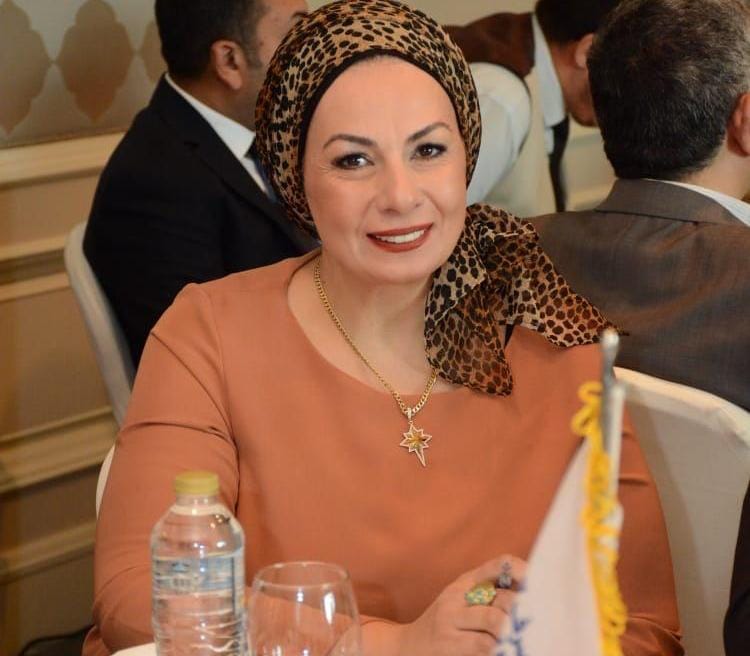

Amid the rapid growth of influencers and content creators in shaping digital public opinion and enhancing the digital culture of millions of followers—and with the increasing need to regulate this influential media sector—Germien Amer, a member of the Arab Union for Media, has proposed a comprehensive Professional and Ethical Code of Conduct.
Introduced under her initiative Planet of Influencers, Amer’s proposal is based on an in-depth study of international media codes from countries such as Finland, the United Kingdom, India, France, and Spain, in addition to the U.S. Federal Trade Commission (FTC) guidelines. She also references regional frameworks such as the Media Code of Ethics in Egypt and Syria, the Arab Media Honor Charter, and the regulatory experience in Qatar. The proposed charter is intended to serve as an accredited reference, binding for influencers, content creators, and media institutions in all professional activities.

Five General Principles
The charter is built on five foundational principles:
- Credibility
- Transparency
- Respect
- Responsibility
- Compliance with Local Laws – particularly those related to advertising, digital marketing, consumer protection, and intellectual property rights
Professional Standards
On the professional level, the charter defines four key obligations:
- Adhering to agreed-upon content delivery timelines and maintaining high production quality
- Refraining from collaborations with entities or products that violate local laws or community values
- Maintaining confidentiality of advertising campaign details
Ethical Responsibilities
The charter also sets clear ethical standards, emphasizing:
- A strict ban on promoting products or services that may harm public health or safety
- A commitment to avoid misleading content
- Preserving neutrality and separating personal opinions from sponsored material
- Refraining from defamation or slander of competitors or brands
- Avoiding conflicts of interest across campaigns
Accountability Mechanisms
The proposed charter includes clear accountability measures for violations. It grants advertising agencies and brands the right to:
- Terminate contracts
- Pursue legal action or claim financial compensation
Additionally, content creators or influencers would be required to sign a declaration of commitment to the code, reinforcing their accountability.
Responsible Digital Media Landscape
Amer emphasized that the purpose of the charter is to foster a more transparent and credible media and digital environment—one that protects both the public and advertisers, while supporting the sustainable development of the content creation industry in Egypt and the Arab region based on clear ethical and professional standards.
Proposed Charter for Influencers and Content Creators
I. General Principles:
- Avoid spreading false information or rumors
- Clearly disclose paid or promotional content
- Demonstrate respect and avoid offensive or discriminatory content
- Act responsibly, particularly when targeting minors
- Adhere to applicable laws and regulations
II. Professional Standards:
- Meet agreed-upon content deadlines
- Ensure both creative and technical quality
- Avoid partnerships with unlawful or unethical organizations
III. Ethical Standards:
- Refrain from promoting harmful or socially irresponsible products
- Avoid exaggerations or unsubstantiated claims
- Maintain impartiality and clearly distinguish between personal opinion and sponsored content
- Do not slander or defame competitors or brands
- Prevent conflicts of interest in overlapping campaigns
IV. Accountability for Violations:
- Contract termination or compensation claims
- Legal actions by agencies or brands
International Models Referenced
- Qatar: Influencer Code – “Freedom is Responsibility”
- Finland: PING Ethics – Emphasis on disclosure transparency
- United Kingdom: ISBA Code – Protection of children, diversity, mental health
- India: IIGC Code – Focus on transparency, safety, and child protection
- Spain: AUTOCONTROL – Legal compliance and mandatory disclosure
- Czech Republic: The Influencer Code – Protecting children, avoiding deception
- France: UMICC Charters – Respect and protection for minors
- Canada: Clark Influence – Transparency, ethical behavior, and sustainability
- United States: FTC Guidelines – Mandatory disclosure and prohibition of deceptive practices
Final Warning:
“Each day of delay means losing more public trust.”
Without a code: the result is chaos, misinformation, and exploitation of followers.