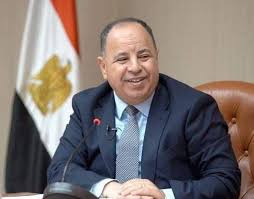

Egypt’s ongoing agreement with the International Monetary Fund (IMF) will conclude in November 2026, according to Dr. Mohamed Maait, Executive Director at the IMF and representative of the Arab Group. As of mid-2025, Egypt has two remaining funding tranches under the current arrangement, each valued at approximately $1.2 billion, scheduled for disbursement in 2026.
Dr. Maait stated during a televised interview on Egypt’s Extra News channel that the primary purpose of IMF-supported programs is not indefinite cooperation but the achievement of targeted economic reforms. He clarified that the conclusion of the program depends on the completion of these reforms, with an emphasis on restoring macroeconomic stability.

The program has included multiple key reform benchmarks. One of the central goals is achieving and maintaining price stability for consumers.
Dr. Maait also pointed to the importance of exchange rate flexibility, which helps align the Egyptian pound with market dynamics. Additionally, interest rate policy plays a critical role in encouraging production and investment by making borrowing costs more predictable and manageable, particularly once inflation is brought under control.
On the fiscal front, Egypt has reported a primary surplus for seven consecutive years, indicating that government revenues have consistently exceeded its expenditures—excluding interest payments on public debt. However, the recent spike in inflation has significantly raised the cost of debt servicing. Dr. Maait highlighted that the debt service ratio increased to around 30%, compared to previous levels of 9% to 10%, making public finance management substantially more challenging.
As inflation declines and monetary conditions normalize, the Egyptian government expects to reallocate a greater share of its budget toward key development sectors. Lower debt servicing costs would allow for increased investment in healthcare, education, infrastructure, and job creation, thereby supporting broader economic development and improving living standards.
The IMF arrangement, which was amended and extended in March 2024 to accommodate the impacts of global inflation and shifting macroeconomic conditions, has facilitated reforms across several sectors. These include adjustments to the subsidy system, enhancements in state-owned enterprise governance, and improvements in monetary and financial policy frameworks.
Egypt’s current focus is on completing the program on schedule, ensuring continued progress on fiscal sustainability, inflation control, and private sector development. The government and the IMF are expected to maintain active engagement over the next 16 months as the final phases of the program are implemented.