
Egypt’s minister of local development and environment has called for a tightly disciplined investment budget for fiscal year 2026/2027, vowing to prioritize projects that deliver measurable environmental gains and tangible results on the ground.
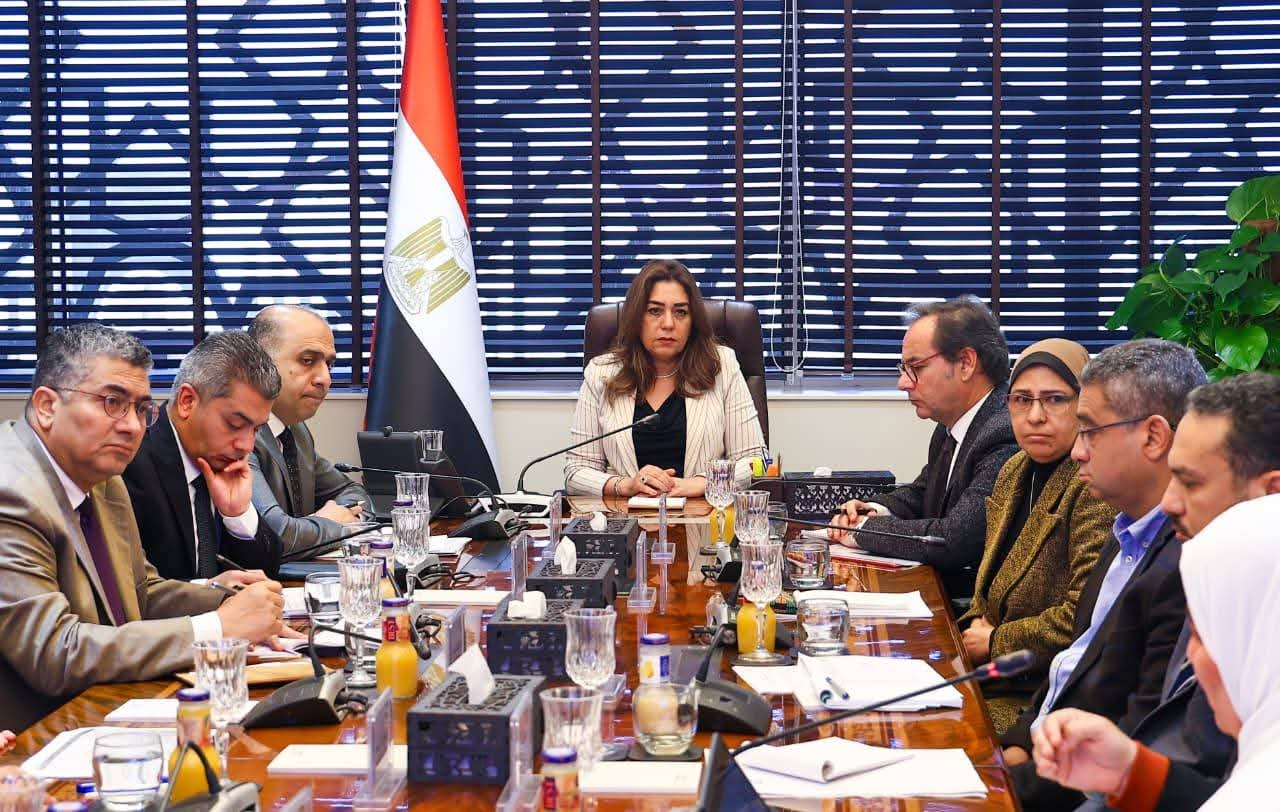
In a high-level planning meeting, Environment Minister Manal Awad reviewed the proposed investment plans for the Egyptian Environmental Affairs Agency and the Waste Management Regulatory Authority, alongside a medium-term framework extending through 2029/2030. The discussions, according to a statement from the Ministry of Local Development and Environment, were held within the parameters of the state’s general budget framework and aligned with Egypt’s sustainable development goals and the government’s broader program.

“We will only allow real projects that translate into tangible achievements on the ground,” Awad said, emphasizing that spending must be directed toward initiatives with direct impact on citizens’ quality of life and the creation of an integrated, sustainable environmental system.
Green Transition and Climate Focus
The proposed 2026/27 plan centers on a package of strategic environmental projects, including climate change mitigation and adaptation, pollution reduction, and the improvement of air and water quality. The framework also calls for expanding circular economy applications, supporting sustainable green industry, strengthening environmental compliance in industrial facilities, and widening afforestation efforts to improve air quality and reduce climate impacts.
A significant pillar of the strategy involves modernizing Egypt’s waste management system to optimize resource use and curb emissions. The waste authority’s investment blueprint includes grants tied to the national solid waste management program.
Awad directed officials to increase allocations for the climate change sector, citing mounting environmental risks and Egypt’s international commitments. She also ordered upgrades to the Blue Hole area — a prominent Red Sea diving destination — and the modernization of two branch laboratories this year.
Natural Reserves and Solar Expansion
Natural reserves will receive priority funding, with a focus on upgrading essential services and infrastructure. Awad underscored the importance of expanding solar energy use within protected areas, including the establishment of solar-powered electrical stations, describing it as a critical step toward Egypt’s green transition.
She further called for commissioning specialized consultants to help determine development priorities for protected areas and integrate them into the national investment plan.
Spending Discipline and Oversight
Stressing fiscal discipline, the minister instructed agencies to complete full disbursement of the current fiscal year’s investment allocations by May and to reach 100 percent implementation within established timelines. Monthly performance reports detailing spending rates, execution progress, and completion schedules will be required.
While signaling openness to increased allocations in the upcoming budget, Awad conditioned any expansion on directing funds exclusively toward high-impact projects that advance the ministry’s future-oriented environmental agenda and add clear value to the sector.
Capacity Building and Institutional Reform
Beyond infrastructure, the minister placed strong emphasis on human capital development. She ordered the preparation of a comprehensive training strategy focused on emerging environmental issues and the rehabilitation of the ministry’s environmental cultural and educational center, known as “Beit El Qahera,” to function as a specialized training hub. Plans also include enhanced training programs through the Local Development Training Center in Saqqara.
The meeting concluded with a directive to finalize the investment plan within a week for submission to the Ministry of Planning for approval. Finally, Awad said the next phase demands “financial discipline, scientific planning, and precise implementation” to entrench environmental sustainability and safeguard the rights of future generations to a clean and secure environment.