
Egypt has taken a major step toward digitizing its charitable sector as part of broader state efforts to modernize social services and improve transparency, with a new cooperation protocol signed on Sunday to enhance the efficiency of civil society organizations nationwide.
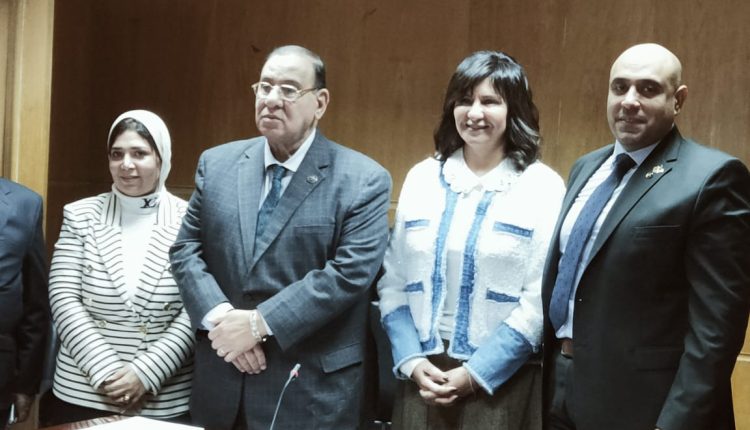
The agreement was signed in the presence of Amb. Nabila Makram, Head of the Technical Secretariat of the National Alliance for Civil and Developmental Work, between the Sanad Foundation for Development and the General Union of NGOs and Civil Institutions in Egypt.

The protocol was signed by Dr. Talaat Abdel Qawi, President of the General Union, and Dr. Islam Nasrallah, Chairman of the Board of Trustees of the Sanad Application Foundation. It aims to train and upskill NGO workers across Egypt’s governorates, enabling them to adopt modern digital tools and artificial intelligence technologies in managing charitable activities.
Preparing for Ramadan Through Digital Transformation
The cooperation comes as part of early preparations for the holy month of Ramadan and aligns with Egypt’s national strategy for digital transformation and the digitization of civil society work. It coincides with the launch of the “One Million Electronic Food Boxes” initiative, which seeks to support one million Egyptian families during Ramadan through an integrated digital system.
The initiative is designed to ensure that food aid reaches its rightful beneficiaries while achieving the highest levels of transparency, efficiency and fairness in distribution.
Training NGOs to Implement Digital Aid Initiatives
Under the protocol, NGO staff and volunteers will receive specialized training to enable their effective participation in Ramadan-related initiatives, particularly the One Million Electronic Food Boxes campaign. Training will focus on the use of smart applications, digital registration and verification of beneficiaries, and the electronic management of aid disbursement — measures intended to prevent duplication and reduce waste.
The cooperation also includes tailored capacity-building programs covering digital transformation concepts, governance, database management and the use of artificial intelligence to analyze social data and prioritize support for the most vulnerable groups.
Enhancing Social Impact and Transparency
Both parties emphasized that the protocol represents a practical step toward transforming charitable work in Egypt from traditional, manual distribution models into a modern, institutionalized system built on technology. This transition is expected to improve resource utilization, particularly during peak charitable seasons such as Ramadan, while strengthening accountability and public trust.
The agreement will also empower NGOs to play a central role in implementing the One Million Electronic Food Boxes initiative nationwide, leveraging a broad network of trained volunteers connected through a unified digital platform to ensure speed, accuracy and data integrity.
One Million Electronic Food Boxes
Dr. Talaat Abdel Qawi said the protocol reflects a national direction toward developing civil society performance.
“Digital transformation has become a core element in improving the effectiveness of NGOs, especially during large-scale initiatives that target millions of families during Ramadan,” he said. “This cooperation enhances institutional capacity and ensures that aid reaches those who truly deserve it.”
Dr. Islam Nasrallah described the initiative as a milestone in modernizing charitable operations.
“The One Million Electronic Food Boxes initiative aims to support one million Egyptian families during Ramadan through a fair and transparent digital system,” he said. “This protocol is a key step in equipping NGOs with digital and AI-driven tools that maximize the social impact of donations while preserving the dignity of beneficiaries.”
Toward a More Efficient Support System
Both sides affirmed that the partnership is part of a broader vision to build a modern charitable ecosystem capable of keeping pace with technological developments and fostering stronger integration between civil society institutions and state agencies.
The initiative, they said, reinforces the values of social solidarity and strengthens support for Egypt’s most vulnerable families during the holy month of Ramadan.