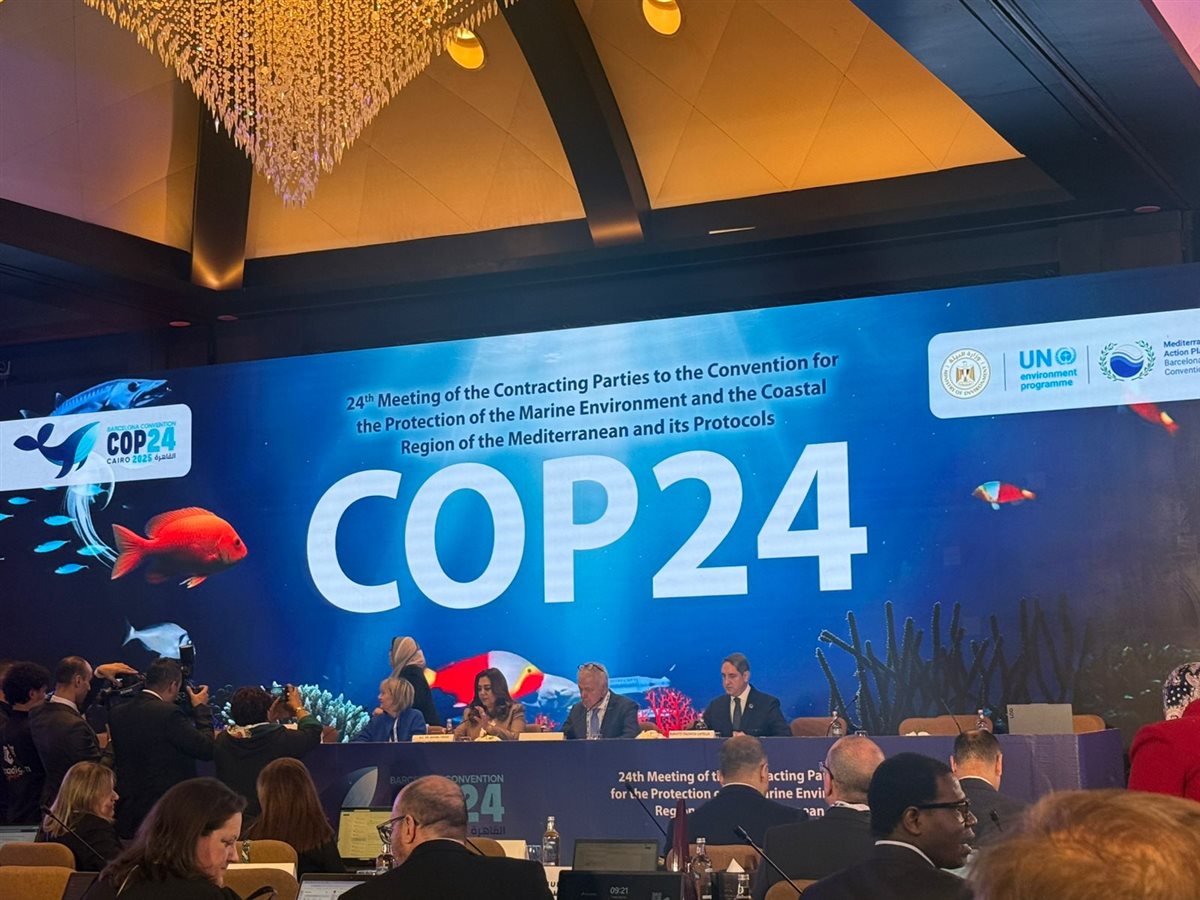

As Egypt hosts the 24th Meeting of the Contracting Parties to the Barcelona Convention (COP24), in collaboration with the United Nations Environment Programme Mediterranean Action Plan (UNEP/MAP), participants emphasized strengthening women’s leadership in environmental planning and decision-making, particularly in marine and coastal management.
The meeting featured the release of a United Nations report titled “Women’s Leadership for Environment and Sustainable Development in the Mediterranean”, prepared specifically for COP24. The report underscores the vital role of women in driving sustainability across the region, promoting gender equality in governance, and providing tangible opportunities for young women to emerge as future leaders.

Key Findings on Women’s Leadership
According to the report, women leaders in the Mediterranean play essential roles in advancing environmental and economic sustainability. Gender equality and the empowerment of women as decision-makers are strategic necessities to enhance innovation, resilience, and sustainability. While the global average of female representation in national parliaments stands at 27%, the Mediterranean region averages 25%.
The report also notes that countries with higher female parliamentary representation are more likely to ratify international environmental treaties and implement stricter climate policies. UNEP/MAP’s Mediterranean Strategy for Sustainable Development (MSSD) recognizes gender equality as a driver of sustainable development and a cornerstone for resilience in the region.
Flagship Initiative: Women’s Leadership in the Mediterranean
The MSSD includes a pioneering initiative titled “Women’s Leadership for Environment and Sustainable Development in the Mediterranean”, aimed at amplifying women’s roles in sustainability. The initiative seeks to make women’s leadership more visible, integrate gender considerations into policy and governance, and engage participants in COP24 in advancing this effort.
The report emphasizes the importance of engaging women leaders from diverse sectors across Barcelona Convention contracting parties to highlight women as active agents in addressing the triple planetary crises—climate change, pollution, and biodiversity loss—while advancing the UN Sustainable Development Goals (SDGs) in the Mediterranean.
Key Actions Recommended
The report identifies several priority actions, including:
- Supporting partnerships among high-level events to ensure the exchange of knowledge on women’s leadership.
- Organizing dedicated women’s leadership sessions at major events such as UNEP/MAP COP meetings and Mediterranean Coast Day.
- Strengthening advocacy and policy influence at international forums, including the High-Level Political Forum on Sustainable Development (HLPF).
- Developing young women as future leaders through school and university programs.
- Monitoring and analyzing gender gaps in participation within environmental and developmental leadership roles.
The initiative and report collectively reinforce the critical importance of gender-inclusive governance as a pathway toward sustainable development and resilience in the Mediterranean region.