
President Abdel Fattah al‑Sisi has appointed 100 new senators by presidential decree ahead of the Senate’s 2025 session, a move that places women at the center stage in a key moment for Egypt’s legislative evolution.
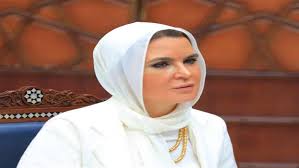
Among the 100 presidential appointees to Egypt’s Senate for the 2025 session, a notable group of accomplished women stands out. Leading the list is former minister Eng. Sahar Ahmed Mohamed Abdel Moneim Nasr, a key figure in Egypt’s economic reform era. She is joined by trailblazing professionals across various fields, including Miral Galal Mahmoud Fahmy El-Horaydi, Amany Abdel Aziz Mohamed Fakher, Ghada Ahmed Mohamed El-Badawi Ahmed, Taysir Mahmoud Mohamed, Marwa Mahmoud El-Sayed Konsowa, Norhan El-Sayed Abdel Hamid El-Sheikh, Amira Samir Naim Tawadros, Marwa Mohamed Tawfik Seif, Reem Hussein Ahmed Fouad El-Sawy, Sahar El-Sayed Ahmed Mohamed, and Dalia El-Sayed Ahmed El-Sayed El-Atriby. Their inclusion reflects the state’s strategic push to empower women and ensure diverse representation in legislative leadership.

Women in Senate List: A Deliberate Inclusion
- The Egyptian constitution and Senate law mandate that at least 10 percent of Senate seats go to women.
- In his previous Senate appointments in 2020, President Sisi included 20 women out of 100 appointees—double the required quota.
- That record suggests that in 2025, female representation in the appointed segment may again exceed minimal requirements.
By including high-profile women—such as Eng. Sahar Nasr—Sisi signals intent to foster gender balance and expert voices within the upper house.
Sahar Nasr: From Economics to Legislative Influence
Eng. Sahar Nasr brings an accomplished track record in development, investment, and public policy. She served as Minister of International Cooperation, then Minister of Investment—leading major reforms and international partnerships. Her status as a former minister lends both legitimacy and experience to her Senate role. Thus, her presence among the presidential appointees elevates female leadership in sectors long dominated by men
Nasr’s appointment sends a clear message: women with technical, economic, and diplomatic credentials now play key roles in shaping Egypt’s legislative and development agenda.