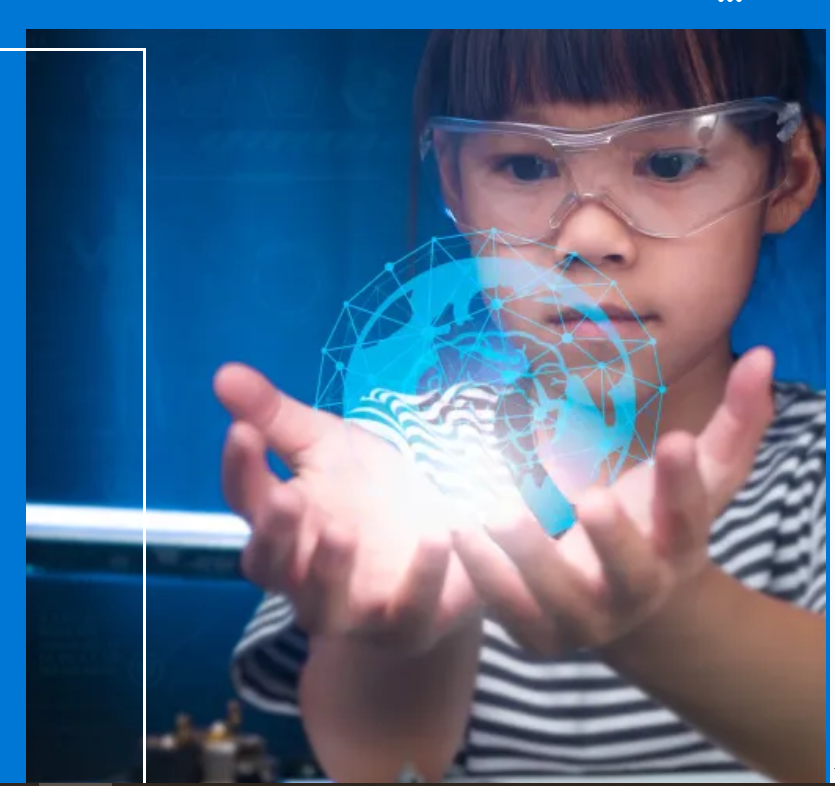

Every year on February 11, the world marks the International Day of Women and Girls in Science (IDWGIS) — a United Nations‑designated observance that highlights the critical role women and girls play in science, technology, engineering, and mathematics (STEM).
2026 Theme: From Vision to Impact — Redefining STEM
In 2026, UNESCO is leading the official global commemoration under the theme “From Vision to Impact: Redefining STEM by Closing the Gender Gap.” The event — held on Wednesday, February 11, 2026, at UNESCO Headquarters in Paris — will be hybrid, welcoming both in‑person and online participants. (UNESCO)

The 2026 celebration focuses on concrete solutions and tangible progress in building more inclusive STEM ecosystems. Discussions will highlight effective practices and policies that have successfully reduced gender gaps in areas such as:
- Health research
- Cybersecurity
- Artificial intelligence
- Scientific entrepreneurship
Drawing on the 2024 UNESCO “Closing the Gender Gap in Science” initiative and the 2025 #EveryVoiceInScience campaign, the event shifts toward showcasing proven actions that promote women’s meaningful engagement in science, technology, and innovation.
Bridging Gaps
Despite progress, women remain significantly underrepresented in scientific careers worldwide. According to UNESCO, less than one‑third of all researchers globally are women, and gender disparities persist in leadership and high‑impact technical roles.
These gaps not only undermine equity but also limit global scientific capacity. Inclusive science — where women’s perspectives contribute fully — is essential for addressing urgent global challenges from climate change and public health to digital transformation and emerging technologies. (United Nations)
UN leaders have stressed that empowering women and girls in science is vital for humanity’s progress. UN Secretary‑General António Guterres has underscored that equality in scientific fields not only enhances innovation but also ensures that scientific advances benefit all people, not just a selected few. (United Nations)
Global Participation and Impact
Each year, the day is observed with events, educational programs, research highlights, and policy dialogues around the world. Governments, academic institutions, and private‑sector partners use this occasion to spotlight initiatives that support women in STEM — including scholarships, mentorships, and leadership development programs.