
The National Council for Women (NCW) has signed a cooperation protocol with Rotary Egypt as part of its ongoing efforts to expand partnerships with civil society organizations and the private sector, reinforcing the importance of integrated collaboration to support Egyptian women and advance sustainable development in line with the directives of the political leadership.
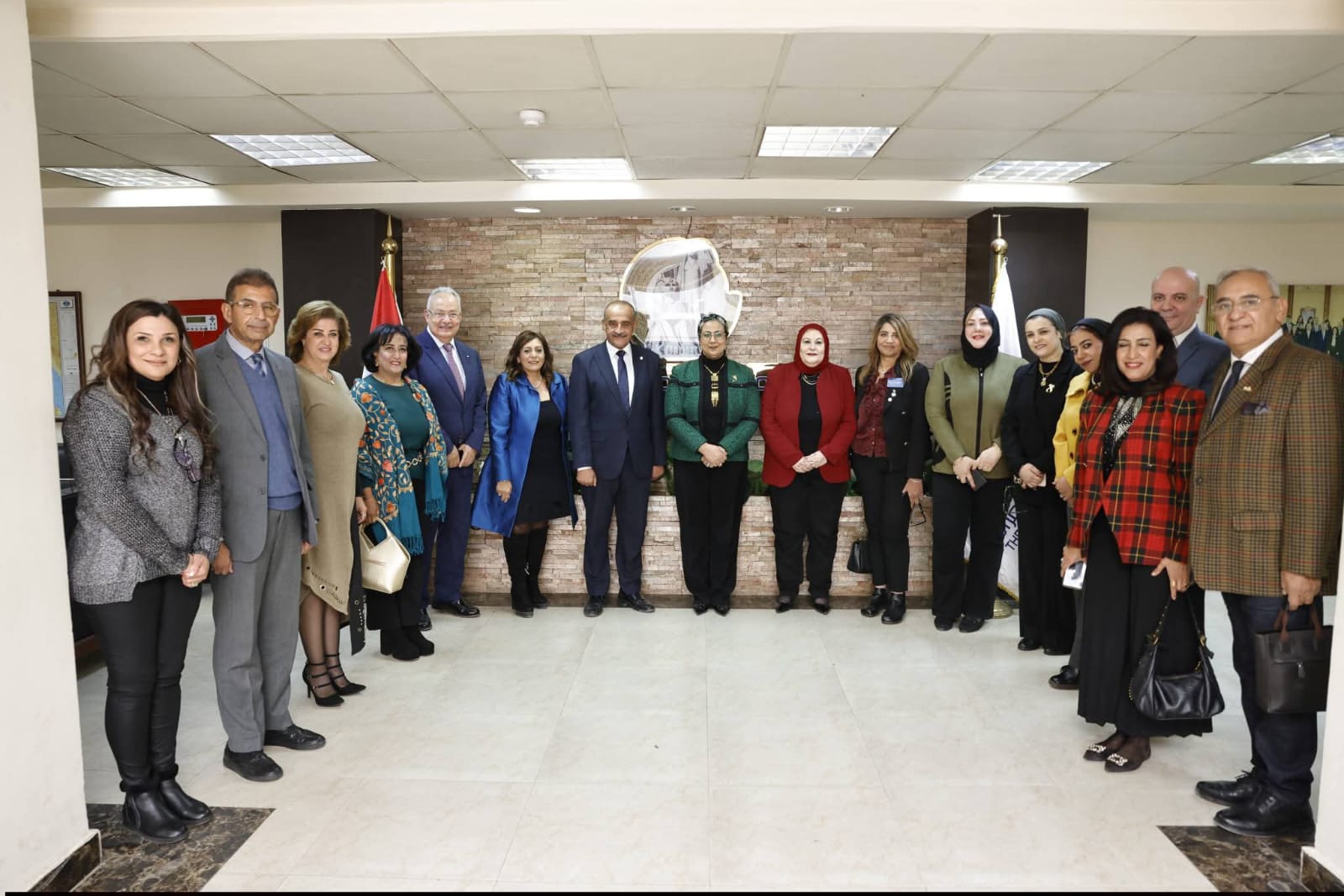
The protocol was signed in the presence of Counselor Amal Ammar, President of the National Council for Women, and Dr. Hossam Ahmed Farhat, District Governor – Rotary Egypt, along with the accompanying delegation.

The signing ceremony was also attended by Mary Louis, NCW member and Rapporteur of the Rural Women Committee; Iman Khalifa, Secretary-General of the Council; Counselor Mohamed Afia, Legal Advisor to the Council; Eng. Gehan Tawfik, Head of the Central Administration for the Office of the Council President; Noha Morsi, Head of the Central Administration for Committees and Branches; Aya El-Dabaa, Director General of the Legal Affairs Department; and Dr. Mona Hamdy from the General Administration of Committees.
Empowering rural women through green initiatives
Counselor Amal Ammar stated that the protocol represents the first phase of cooperation with Rotary Egypt, opening new horizons that will benefit women, families, and the state. She expressed her appreciation for Mary Louis’s leadership of the Rural Women Committee and her efforts to highlight rural women’s issues within Rotary networks, reflecting strong awareness of the importance of economic and environmental empowerment for rural women.
She explained that the protocol aims to implement projects focused on recycling agricultural waste and producing organic compost, generating direct economic returns for women while contributing to environmental protection. These efforts align with the Egyptian government’s and Ministry of Environment’s initiatives to combat pollution caused by the burning of agricultural waste.
Counselor Ammar noted that the Council has previously achieved successful outcomes in this field through partnerships with Bloom Bank in Minya Governorate and Saint-Gobain in Qalyubia Governorate. The new collaboration with Rotary Egypt will be implemented in Giza Governorate, specifically in the villages of Oseem and Nekla, chosen for their diverse agricultural and desert landscapes, which enhance the project’s potential for success.
She added that rural women will play a central role in transferring acquired skills and expertise to their peers within local communities, ensuring sustainability and fostering a culture of productivity. She also emphasized the importance of reviving agriculture-related industries, supporting national manufacturing, and promoting Egyptian long-staple cotton. Additionally, she highlighted the Council’s door-to-door awareness campaigns, which play a vital role in informing women about available opportunities and maximizing the protocol’s impact on the ground.
Counselor Ammar concluded by affirming that this cooperation marks the beginning of further productive partnerships with Rotary Egypt, supporting the prosperity of Egyptian women and strengthening their role as key partners in economic and environmental development.
Rotary Egypt: Partnership for sustainable impact
For his part, Dr. Hossam Farhat affirmed that Rotary operates under a clear vision aligned with Egypt’s Vision 2030, stressing that true development requires integration across education, healthcare, and economic empowerment. He noted that Rotary is a global leader in literacy, education support, and healthcare services, emphasizing that these efforts must be complemented by effective economic empowerment to ensure lasting impact on families and communities.
Dr. Farhat added that the cooperation protocol with the National Council for Women represents a form of sustainable support for vulnerable families, providing real production opportunities that empower women economically, improve household living standards, and strengthen self-reliance. He emphasized that this partnership reflects Rotary’s firm belief in the importance of collaboration with national institutions to achieve comprehensive and sustainable development that benefits women, families, and society as a whole.