
Egypt took a significant step toward easing legal and financial burdens on women as new cooperation protocols were signed to digitize procedures affecting families, particularly mothers and female guardians responsible for minors.
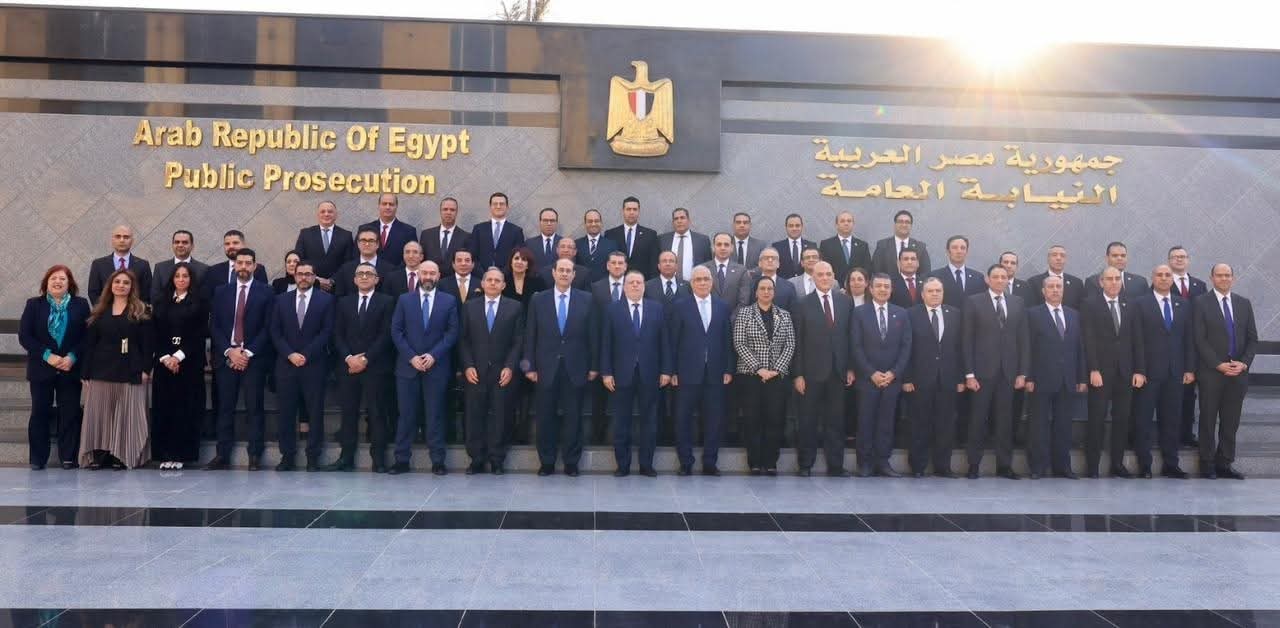
The National Council for Women, Amal Ammar, witnessed the signing of two cooperation agreements between the Public Prosecution and both Banque Misr and the Egyptian Credit Bureau (I-Score), aimed at modernizing family justice mechanisms and expanding digital access to financial services. The ceremony was attended by Public Prosecutor Mohamed Shawky, Banque Misr Chief Executive Hisham Okasha, Central Bank of Egypt Governor Hassan Abdalla, and senior judicial and banking officials.

The protocols are designed to streamline procedures related to the management of minors’ and legally incapacitated individuals’ bank accounts — a responsibility that in many cases falls on women, particularly widowed or divorced mothers. Through the new system, balance inquiries, approvals for withdrawals, and transfers from minors’ accounts to guardians’ accounts will be processed electronically, replacing paper-based correspondence and lengthy in-person procedures.
Ammar said the agreement between the Public Prosecution and Banque Misr represents a milestone in Egypt’s digital transformation and offers a national model for institutional cooperation that directly improves citizens’ lives. She emphasized that the protocol is the first of its kind in Egypt’s banking sector and marks a shift toward more efficient, transparent handling of guardianship-related financial matters.
“For thousands of women, these procedures were not just administrative hurdles but daily obstacles that compounded economic and family pressures,” Ammar said, noting that the National Council for Women views the protocol as both a social and humanitarian measure.
Under previous systems, guardians were required to navigate multiple government and financial institutions, often facing long waiting periods and repeated travel. While legally protective, these processes disproportionately affected women who serve as primary caregivers and breadwinners, increasing the strain on families already facing economic challenges.
The new digital framework, Ammar said, simplifies procedures without compromising legal safeguards, ensuring the protection of minors’ funds under the direct supervision of the Public Prosecution while significantly reducing the time, cost, and effort required from guardians.
She added that the initiative reflects a broader commitment to using technology to advance social justice and gender equity, strengthening family stability and enabling women to participate more fully in economic and public life.
Ammar praised the collaboration among the Public Prosecution, Banque Misr, and the Central Bank of Egypt, expressing confidence that the protocols will deliver tangible improvements for women and families and reinforce Egypt’s push toward a digital state that places citizens — particularly women — at the center of its development agenda.