
Egypt’s Micro, Small and Medium Enterprise Development Agency (MSMEDA) has successfully concluded a transformative program supporting female entrepreneurship. The initiative, launched in partnership with the French Development Agency (AFD), has financed over 24,000 women-led micro and small businesses across the country—creating more than 60,000 job opportunities.
The program, which began in 2020 amidst global disruption from the COVID-19 pandemic, represents a strategic collaboration between Egypt and France to accelerate gender-inclusive development. Speaking at the program’s closing ceremony, Dr. Raafat Abbas, Deputy Executive Director of MSMEDA, emphasized the agency’s commitment to mobilizing global partnerships to empower women economically and socially.

A Strategic Vision for Inclusive Growth
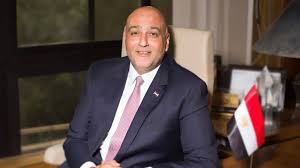
Basil Rahmy, CEO of MSMEDA, highlighted in a statement delivered on his behalf that the agency’s strategy is anchored in a clear vision: promoting Egyptian women as key players in economic growth. “We believe in the transformative potential of women-led enterprises. Our partnership with AFD brought this vision to life, especially in underserved areas,” Rahmy noted.
The program targeted rural and urban communities across Egypt, with a strong focus on Upper Egypt and the Nile Delta. By integrating financial and non-financial services, MSMEDA and AFD tailored their approach to ensure long-term impact—working closely with local banks, microfinance institutions, NGOs, and direct branches of MSMEDA.
Beyond Financing: Capacity Building and Market Access
In addition to funding, the program included sector-specific initiatives in food production, textiles, and traditional crafts like khayamiya (decorative tent-making). Women received vocational training, market access support, and assistance with exhibition participation.
MSMEDA also collaborated with Entrust for Management and Development Consulting, which delivered technical support, capacity-building programs, and entrepreneurship workshops. This holistic approach not only launched businesses but also nurtured resilience and innovation among Egypt’s female entrepreneurs.
One standout component involved grassroots development in economically vulnerable communities such as Ezbet Khairallah in Cairo, Al-Desmy in Giza, and Old Cairo. Women in these areas received tailored training in business planning, marketing, and financial literacy—helping them grow from informal income earners to confident micro-entrepreneurs.
An Impact That Surpassed Expectations
Dr. Raafat Abbas revealed that the program began with an in-depth market diagnostic to understand the unique challenges facing women entrepreneurs in Egypt. The findings shaped specialized financial products and services tailored for women—making access to credit more inclusive and effective.
Andrew Hanna, Sustainable Development Projects Manager at AFD, praised the initiative’s outcomes: “The program exceeded our projections, particularly given it launched in the shadow of a global pandemic. It demonstrates how strategic partnerships can overcome even the toughest challenges.”
Echoing this sentiment, Elsa Faver, Head of Sustainable Development at AFD, affirmed the initiative’s centrality to AFD’s priorities in Egypt. “Empowering women is not a peripheral goal—it’s at the heart of what we do,” she stated.
Honoring Egypt’s Women Entrepreneurs
The final ceremony featured an exhibition showcasing products from participating women-owned enterprises, ranging from artisanal crafts to high-quality processed foods. Standout women entrepreneurs and partner NGOs were honored for their outstanding contributions.
Rahmy concluded the event with a renewed call to action: “This program may be ending, but our mission continues. We will keep working with international partners, government agencies, and civil society to ensure women remain at the forefront of Egypt’s development.”
A Model for Regional Replication
The success of the MSMEDA-AFD partnership offers a model that can be replicated across the MENA region. With women disproportionately affected by unemployment and underrepresentation in business, targeted development programs like this one serve as a roadmap for sustainable and inclusive economic reform.