
Mohamed Salah, one of the most iconic football player, has once again captured the public imagination—this time, not through his brilliance on the pitch, but through a quiet, deeply personal expression of cultural identity.
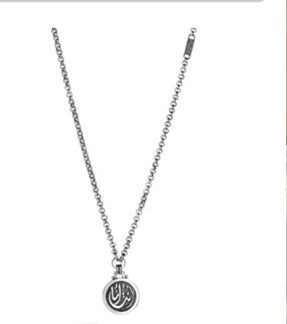
A recently circulated image of the Liverpool and Egypt national team star has stirred widespread commentary online after fans noticed a striking necklace around his neck. The piece—an intricate silver creation from globally celebrated Egyptian designer Azza Fahmy—bears the Arabic inscription “أنت أنا” (“You Are Me”), a poetic reference to human unity and emotional connectedness.

This subtle fashion choice has become a powerful cultural statement, bridging heritage and modernity, and bringing renewed attention to a regional design house whose mission is as symbolic as it is aesthetic.
From Football Icon to Cultural Curator: Salah Wears Identity on His Chest
The necklace, part of Fahmy’s “Hiya – Enta Ana” collection, is not merely a piece of jewelry—it is a declaration of values. Its presence on Salah’s chest resonated beyond the realm of fashion, signaling his alignment with a broader cultural movement that honors origins, storytelling, and emotional depth in self-expression.
In a time when celebrity wardrobes are often curated by luxury conglomerates, Salah’s decision to wear a piece by a homegrown Egyptian brand rooted in heritage and meaning speaks volumes. It is a nod to the growing power of cultural authenticity as a defining force in global style narratives.
A Shared Symbol: Wegz and Salah Connect Through a Cultural Thread
Salah is not the first Egyptian icon to embrace the work of Azza Fahmy. The same necklace had previously appeared on the neck of music trailblazer Wegz, one of the most influential figures in Arabic hip-hop today. In his music video “El 3arabi Asly” (“The Arab Is Original”), Wegz wore Fahmy’s designs with evident pride, integrating traditional aesthetics into a contemporary visual narrative.
That both a world-class athlete and a boundary-pushing artist independently chose the same culturally infused jewelry speaks to the brand’s universal appeal. Azza Fahmy has become more than a label—it is a shared language for those who wish to wear their identity, their roots, and their personal philosophies.
Azza Fahmy: A Global Brand with a Cultural Soul
For more than four decades, Azza Fahmy has stood at the intersection of craftsmanship and cultural storytelling. Her work is widely recognized for reinterpreting traditional Arab motifs—Arabic calligraphy, Sufi poetry, folklore—into modern, wearable art. Unlike trend-driven jewelry brands, Fahmy’s creations are anchored in meaning, built to endure both physically and symbolically.
With global clientele ranging from Middle Eastern royalty to European fashion editors, and now international sports and music figures, the brand has transcended geography—not by abandoning its roots, but by proudly carrying them into every market it enters.
Fahmy’s designs are often described as “conversations in silver and gold.” They do not merely accessorize; they narrate. In a world of mass production, her pieces remain hand-crafted, intentional, and intimate—mirroring the values of the people who wear them.
Redefining Influence: When Style Becomes Substance
Salah’s quiet endorsement of a culturally grounded brand adds dimension to his already impactful public image. Long celebrated for his humility and philanthropic work, this subtle yet profound fashion moment positions him as not just an athlete, but as a cultural ambassador—one who bridges East and West, heritage and innovation.
The global attention sparked by this single photograph demonstrates the shifting landscape of influence. Today’s tastemakers are no longer limited to luxury fashion houses; they include local visionaries whose work carries depth, identity, and emotion.
Azza Fahmy’s work exemplifies the potential of design to be more than beautiful—it can be meaningful, rooted, and powerfully resonant.
Artisanal Mastery
As regional fashion scenes continue to gain prominence on the world stage, designers like Azza Fahmy are showing how authentic storytelling and artisanal mastery can outshine fleeting trends. Her collaboration with personalities like Salah and Wegz illustrates a broader movement: the rise of cultural couture—designs that speak not only to the eye, but to the soul.
In wearing her necklace, Mohamed Salah did more than accessorize. He initiated a dialogue—one about heritage, belonging, and the evolving face of global fashion. And in doing so, he reminded the world that identity, when worn with pride, is always in style.