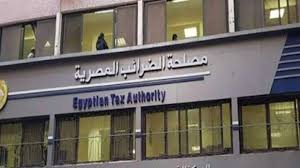

Egypt is positioning itself as a serious global player in tax reform by deepening international cooperation, according to Rasha Abdel Aal, Head of the Egyptian Tax Authority (ETA). Speaking at the launch of a specialized international taxation training program, Abdel Aal described partnerships with institutions like the World Bank and the British Embassy as pivotal to modernizing Egypt’s tax system and aligning it with global standards.
“International cooperation is not just beneficial—it is essential,” said Abdel Aal. “It allows us to develop the tax environment, adopt global best practices, and ensure the integrity and competitiveness of Egypt’s tax system.”

The training course—held at the ETA’s Tax Training Centre—focuses on global taxation frameworks, including profit attribution to permanent establishments and Mutual Agreement Procedures (MAP) aimed at preventing double taxation. These areas are increasingly important as Egypt seeks to harmonise its tax policies with international norms and manage disputes arising from complex cross-border transactions.
Strengthening Global Ties and Local Capacity
Abdel Aal highlighted that Egypt has emerged as an active partner in specific taxation areas with advanced economies. “This is not about imitation,” she said. “It’s about strategic collaboration to build a tax system that serves Egypt’s economic interests while meeting international expectations.”
She also stressed that building human capital is at the heart of this transformation. “Developing staff expertise through targeted training is key to the sustainability and success of our reforms,” she noted.
World Bank Governance Specialist Ashima Nab echoed those sentiments, calling the course a vital tool for institutional capacity building. “Our collaboration with ETA is strengthening knowledge transfer and driving positive change within the Egyptian tax system,” she said.
Benjamin Stewart, an international tax expert from the World Bank, led sessions focused on adapting tax policies in response to global trends, including digital transformation and remote work—a shift accelerated by the COVID-19 pandemic. “Tax systems must evolve with the economy. This course aims to equip Egyptian professionals with the tools they need to navigate those changes,” Stewart said.
Focus on Dispute Resolution and Global Alignment
Afaf Ibrahim, Assistant Head of ETA for International Agreements, explained that the training dives deep into practical applications of profit attribution and dispute resolution mechanisms under tax treaties. “Reducing disputes with foreign taxpayers is a core objective. MAP processes are critical to achieving that,” she said.
Ibrahim also acknowledged the role of the British Embassy and the World Bank in supporting Egypt’s ongoing reform efforts, and stressed the importance of expanding such collaborations into other areas of tax administration.
Elevating Egypt’s Position on the Global Stage
Abdel Aal concluded that initiatives like this reinforce Egypt’s position as a reliable and proactive participant in the international tax arena. “By engaging with the global tax community, Egypt ensures that its tax policies are responsive, resilient, and future-ready,” she said.