
Get to Know the World’s Largest Women-Run Market Located in India
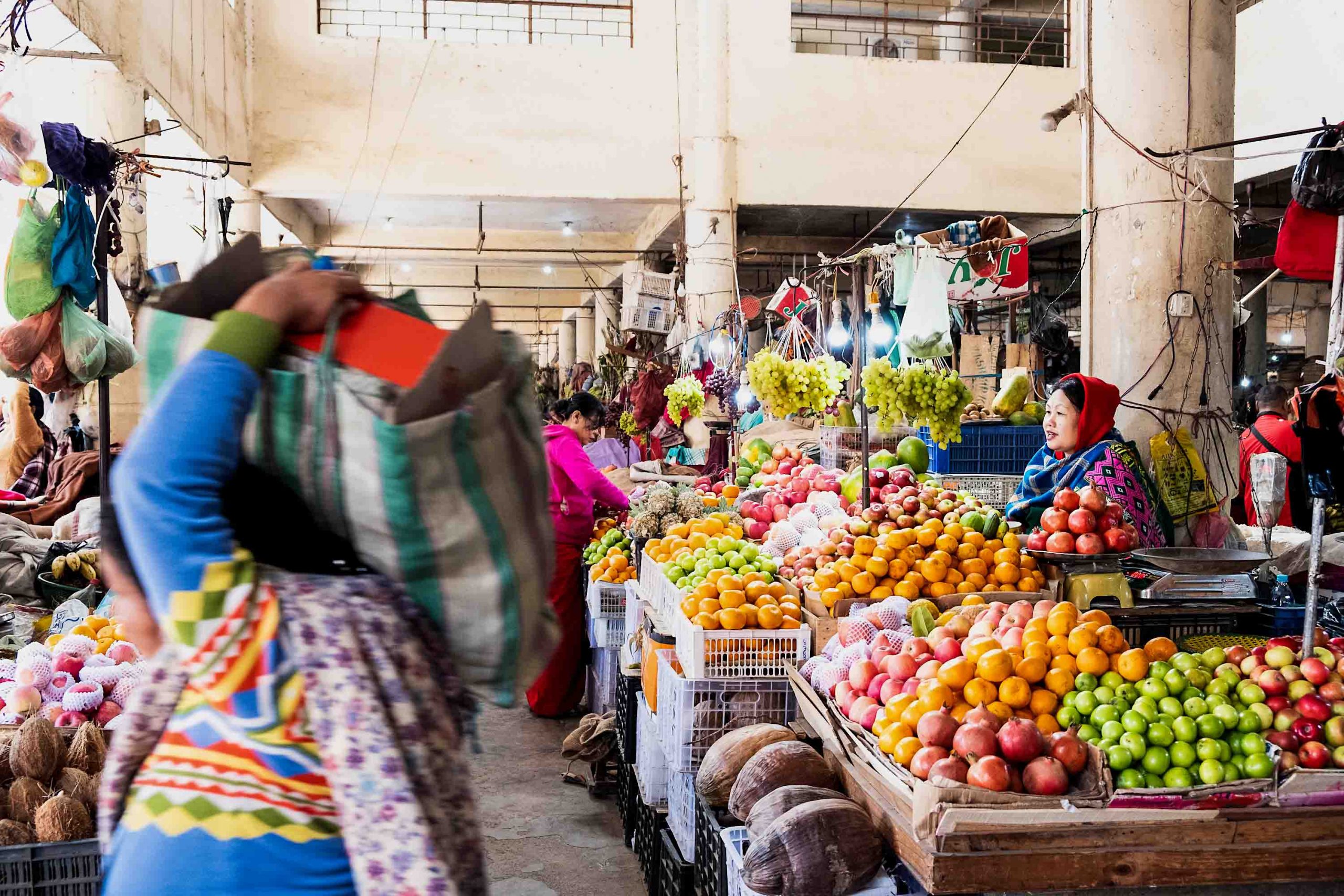
India’s Manipur embraces the world’s largest women-run market known as Ima Keithel which is a 500-year-old market run solely by women.

The market includes a huge network of more than 5,000 stalls spread across three multi-story buildings and a sea of surrounding tin shacks.
Ima Keithel – meaning “mother’s market” in the local Meitei language – in Imphal, the capital of India’s northeastern state of Manipur, is said to be the largest women-only market in the world. Men can enter the space – but only to buy goods, to work as porters or guards or to provide the women with cups of milky chai.
How It All Started
Due to the application of a forced labor system known as Lallup-Kaba in the kingdom of Manipur in 1533, all men from the Meithei community had to serve in the army. During this particular period, women took to the fields and other traditionally male-dominated spaces for their families’ survival and livelihood. They began farming, producing textiles, and selling what they produced. The market expanded gradually as more women joined the service. Since then, women have been the face of this market.
A walk across the stalls of the market
During the early morning rush, the scent of eromba, a local dish of mashed potato, bamboo shoots and dried fish chutney, sizzles through the air. In one corner, a group of matriarchs are huddled around discussing problems with delayed deliveries and subpar produce.
All the while, women stop by to leave offerings at the shrine of Ima Imoinu, the goddess of wealth and business and the market’s main protector.
The aroma of eromba, a local dish of mashed potato, bamboo shoots, and dried fish chutney, drifts through the air during the early morning rush. A group of mothers is huddled around debating difficulties with delayed delivery and substandard vegetables.
Women pass by all the time to place offerings at the shrine of Ima Imoinu, the goddess of riches and business and the market’s major defender.
The congested aisles are brimming with lovely finds: fragrant pinewood and jade-colored betel nut leaves, handcrafted ceramics and bamboo baskets, exquisite silken blankets and carpets in technicolor colors.
Rows of vendors in colorful pink, yellow, red, and green shawls fill the spaces between them, some with Manipuri chandon markings on their foreheads, others shrouded in Muslim head scarves.