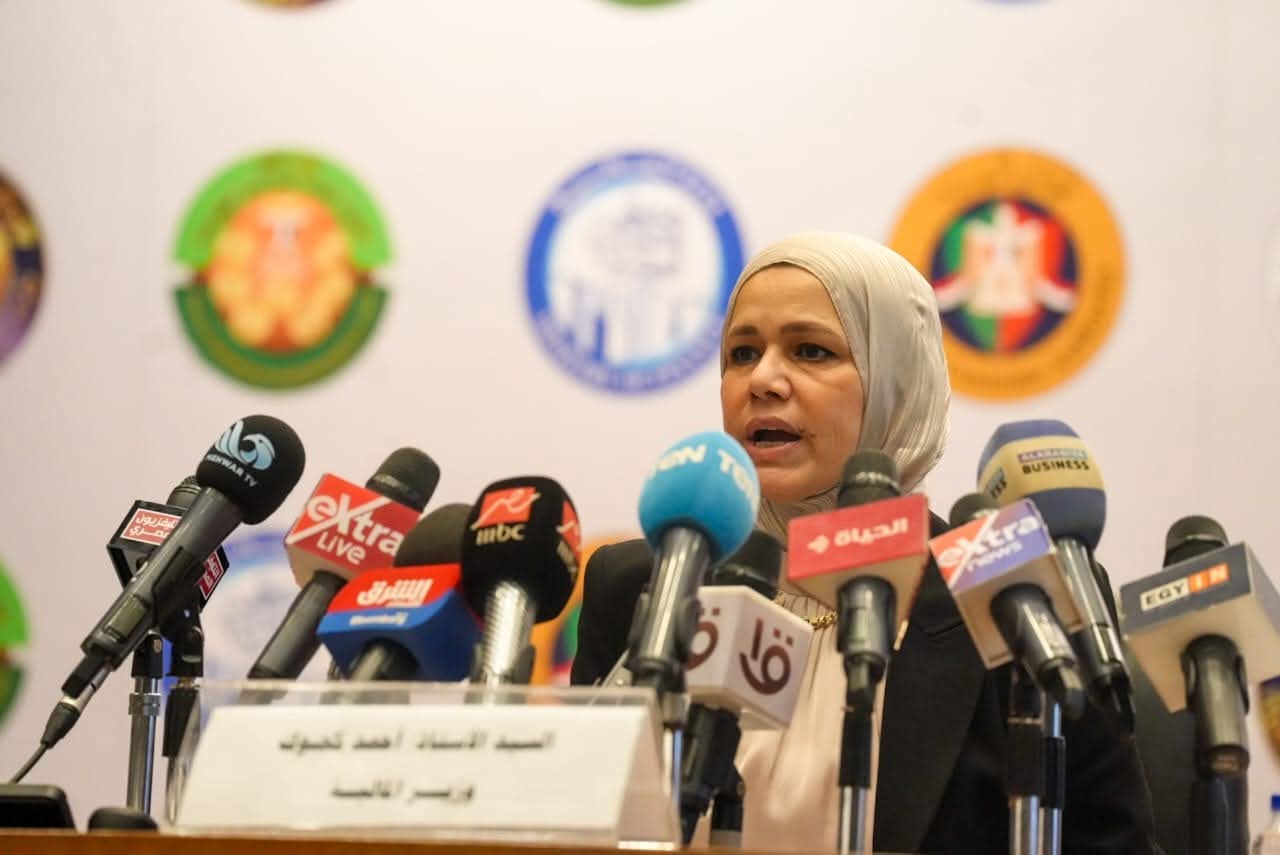

Egypt has recorded unprecedented tax revenues of EGP 2.2 trillion in the past fiscal year, marking a 35% year-on-year growth, according to Rasha Abdel Aal, Head of the Egyptian Tax Authority. Speaking during a press conference hosted by Finance Minister Ahmed Kouchouk to present the fiscal performance for the year, Abdel Aal highlighted that this significant increase was achieved without the introduction of any new taxes or additional burdens on taxpayers.
Central to this achievement is the government’s ongoing tax facilitation strategy, which emphasizes transparency, trust, and partnership with the business community. The policy focus on streamlining procedures and providing greater clarity has led to higher voluntary compliance and attracted thousands of new taxpayers into the formal system.

A standout result of the authority’s digitalization efforts is the growing compliance in the e-commerce sector. More than 141,000 taxpayers have registered under the e-commerce tax unit, contributing EGP 7.7 billion in voluntary tax payments — an increase of 84% compared to the previous fiscal year. Broader registration figures also reflect the success of the facilitation framework, with 746,600 taxpayers enrolled under the value-added tax system and over 805,000 registered under income tax.
The capital markets and public debt instruments also contributed substantially to the fiscal outcome. Tax revenues from treasury bills and bonds totaled EGP 290.3 billion, an 81% increase, while taxes collected from securities reached EGP 26.1 billion, up 43.6%. These gains are complemented by the issuance of 3.2 billion electronic invoices and receipts over the year, underscoring the depth of Egypt’s tax system modernization.
Revenue gains also extended to dispute resolution and compliance management. The Tax Authority reported EGP 10 billion collected through the settlement of disputes, real estate transactions, and unlisted securities. Electronic tax filings for 2024 brought in EGP 177.4 billion, a notable 107% rise, reflecting the growing effectiveness of automated filing systems.
Efforts to expedite VAT refunds saw significant progress, with EGP 7.6 billion returned to taxpayers, representing 200% growth over the previous year. Additionally, the risk-based audit management system helped secure EGP 12.2 billion in revenues by the end of June. Approximately 152,400 taxpayers benefited from a cap on late fees and penalties, contributing EGP 17 billion in settlements.
Egypt’s tax policy continues to evolve around expanding the tax base through modernization, simplification, and voluntary compliance, rather than imposing new financial obligations. With strong growth in both digital integration and taxpayer participation, the country’s tax ecosystem is undergoing a marked transformation, laying the groundwork for sustained fiscal stability in the years ahead.