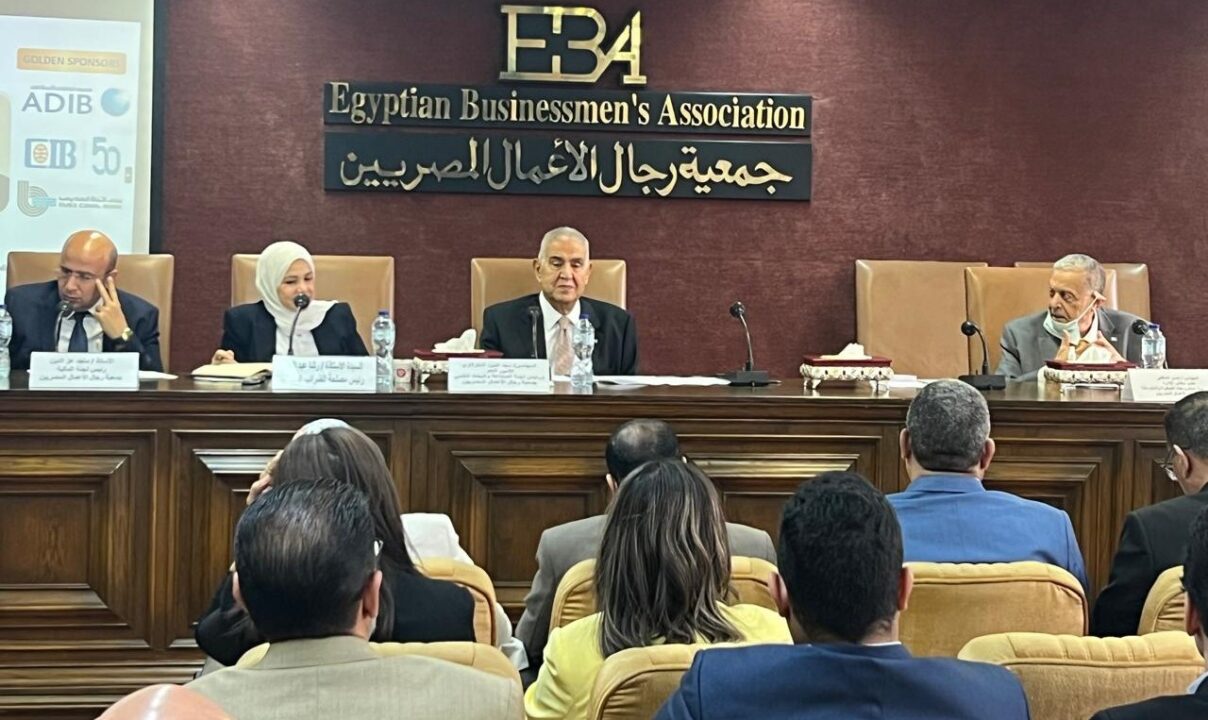

Egypt’s Tax Authority (ETA) is finalizing a second package of tax facilitations, aimed at streamlining tax procedures, improving VAT refund processes, and enhancing support for small and medium-sized enterprises (SMEs), according to ETA Head Rasha Abdel Aal. The move aligns with directives from the Minister of Finance and is part of the government’s broader plan to modernize the tax system and strengthen its relationship with the private sector.
Speaking at a recent meeting with the Egyptian Businessmen’s Association, Abdel Aal emphasized that the second package builds on the success of the initial reforms and will be subject to a public consultation process before implementation. “We are committed to transparency and listening to the business community. A community dialogue will be launched to gather proposals and ensure the package addresses real challenges on the ground,” she stated.

A Fully Integrated VAT Refund System
At the core of the new package is the rollout of a fully integrated VAT refund scheme designed to boost liquidity, ease cash flow pressures, and reinforce confidence in the Egyptian tax administration. This reform comes in response to longstanding concerns among exporters and SMEs about delayed VAT refunds and bureaucratic bottlenecks.
In addition to VAT reform, the package will include targeted measures to support businesses in meeting compliance requirements while reducing administrative burdens. “The goal is to make the system work for taxpayers, not against them,” Abdel Aal said.
SMEs at the Center of Reform
The ETA reaffirmed its strong commitment to supporting SMEs, particularly businesses with annual turnover not exceeding EGP 20 million. These enterprises are seen as vital engines of economic growth, innovation, and job creation.
Under Law No. 6 of 2025, introduced as part of the first facilitation package, SMEs benefit from a graduated tax structure based on business size, rather than a flat rate—ensuring fairness and flexibility. The law aims not to maximize revenue, but to create a stable and growth-friendly environment for small businesses and young entrepreneurs.
Key benefits for SMEs include:
- Exemption from tax audits for five years
- No capital gains tax on the sale of fixed assets
- Exemption from dividend tax, stamp duties, and registration fees
- Quarterly VAT returns instead of monthly
- Annual payroll tax returns
- No advance payments under the tax account system
To remain eligible, businesses must file returns on time and adhere to mandatory e-invoice and e-receipt systems.
Digital Transformation and E-Commerce Integration
The ETA is also making strides in digital tax transformation, particularly in the fast-growing e-commerce sector. Abdel Aal highlighted the work of the ETA’s specialized e-commerce unit, which has received international training to address sector-specific challenges—especially regarding business registration for entities operating without a physical presence.
A ministerial decree now allows online businesses to register using just a national ID, greatly simplifying access to the formal economy. “These changes reflect our understanding of local realities and our commitment to developing tailored solutions,” Abdel Aal said.
The ETA is offering free training, technical support, and point-of-sale (POS) devices to support SMEs in adopting e-tax systems and to facilitate a smooth digital transition.
Dispute Resolution and Penalty Framework
Abdel Aal also noted that no new legislation is currently planned to waive late payment penalties, but the existing framework already caps penalties at 100% of the original tax owed. The ETA has made significant progress in resolving historic disputes, signaling a more cooperative and transparent approach with taxpayers.
“We are opening a new chapter based on mutual trust,” she said.
Community Dialogue and Informal Sector Integration
Before the new package is implemented, the ETA will launch an open consultation process with the business community to collect feedback and refine proposals.
At the same time, the Authority is intensifying efforts to integrate the informal sector, a longstanding challenge for Egypt’s tax system. This will help widen the tax base, promote fairness, and support greater tax justice across society.
“The success of this package depends on cooperation,” Abdel Aal concluded. “The state, the Ministry of Finance, and the ETA cannot succeed alone. We need the partnership and support of the business community—for the benefit of investors and the nation alike.”