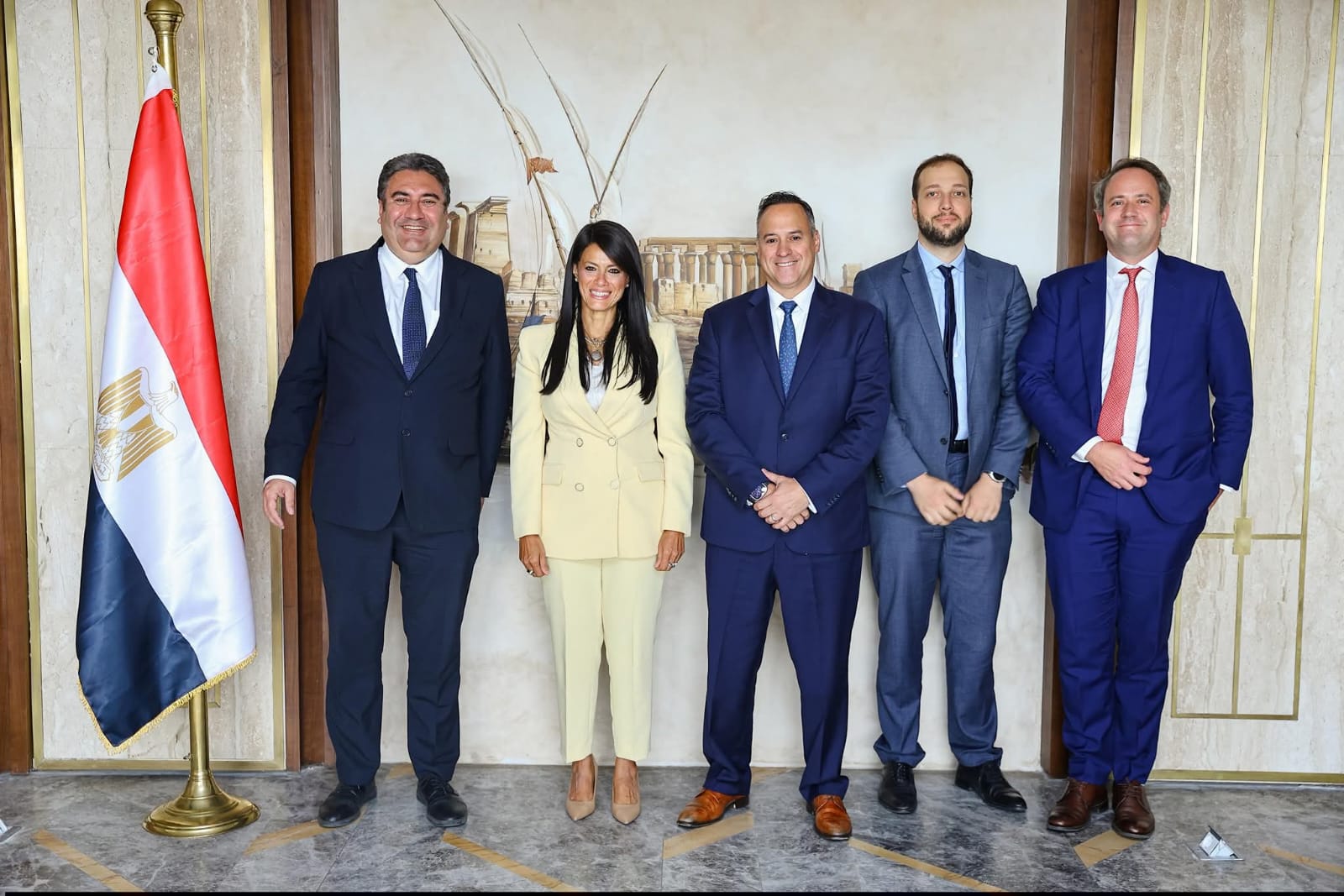

In a high-level meeting with a delegation from S&P Global Ratings, Egypt’s Minister of Planning, Economic Development and International Cooperation, Dr. Rania Al-Mashat, showcased the latest milestones in the country’s economic reform program, reaffirming Egypt’s steady trajectory towards sustainable growth and macroeconomic stability.
Key Highlights:
- Positive economic growth of 4.2% in the first nine months of FY 2024/2025, up from 2.4% year-on-year
- Private investment surges by 24.2%, exceeding public investment for the third consecutive quarter
- Launch of the National Narrative for Economic Development, a roadmap for high-productivity, export-oriented growth
- Structural reforms continue to strengthen private sector participation and investment climate
- Fiscal, monetary, and governance policies remain pillars of macroeconomic stability
Reforms Show Tangible Results Post-March 2024
During the meeting—attended by S&P’s top global sovereign ratings executives, including Roberto Sifon-Arevalo, Benjamin Young, and Ravi Bhatia—Minister Al-Mashat outlined the economic progress following Egypt’s latest wave of reforms in March 2024.

“The Egyptian economy is moving steadily forward along its reform path, with macro indicators showing stronger-than-expected performance,” said Dr. Al-Mashat. “We are committed to deepening our structural reforms, empowering the private sector, and improving the investment environment.”
The minister noted that the non-oil manufacturing, ICT, tourism, and export sectors have been among the strongest contributors to growth in FY 2024/2025. Preliminary data suggests the full-year growth rate will exceed earlier projections.
Private Sector Takes the Lead
A notable achievement highlighted in the meeting was the surge in private sector investment, which rose to EGP 142.8 billion in Q3 FY 2024/2025—a 24.2% year-on-year increase. Private investment now accounts for 62.8% of total implemented investments, excluding inventory.
This shift underscores the Egyptian government’s strategic pivot toward enabling private enterprise and gradually redefining the role of the state in economic activity.
The National Narrative for Economic Development: A Strategic Framework
Dr. Al-Mashat unveiled Egypt’s newly launched National Narrative for Economic Development, a long-term framework aligning the government’s program (2024–2027) with Egypt Vision 2030. The narrative prioritizes:
- Transitioning to high-productivity sectors
- Boosting access to export markets (tradables)
- Maximizing the value of Egypt’s real economy and competitive advantages
- Leveraging modern infrastructure and connectivity
- Enhancing the private sector’s role in economic expansion
She emphasized that the narrative is more than just a policy document—it is a comprehensive reform blueprint and promotional tool for Egypt’s economic fundamentals, aimed at attracting local and foreign investment.
Structural Policy Anchors for Growth
The meeting also touched on Egypt’s ongoing efforts to implement sound fiscal and monetary policies, alongside improved public investment governance. These measures serve as key anchors of macroeconomic stability amid global uncertainty.
“We are actively working on the implementation of the executive regulations of Egypt’s General Planning Law,” Al-Mashat noted. “Starting FY 2026/2027, Egypt will introduce a three-year economic and social development plan under a medium-term budgetary framework—marking a first in the country’s planning history.”
Egypt: A Hub for Sustainable Development Finance
Al-Mashat reaffirmed Egypt’s growing role as a platform for developmental finance, noting that the government is taking a disciplined approach to managing foreign debt and improving debt sustainability. Egypt continues to attract
With continued collaboration between public institutions and global financial stakeholders, Egypt’s economic narrative is no longer one of recovery, but of reinvention and resilience.